
- Puesto en BGG
- BGG #3770
- Puntuación BGG
- 8,6
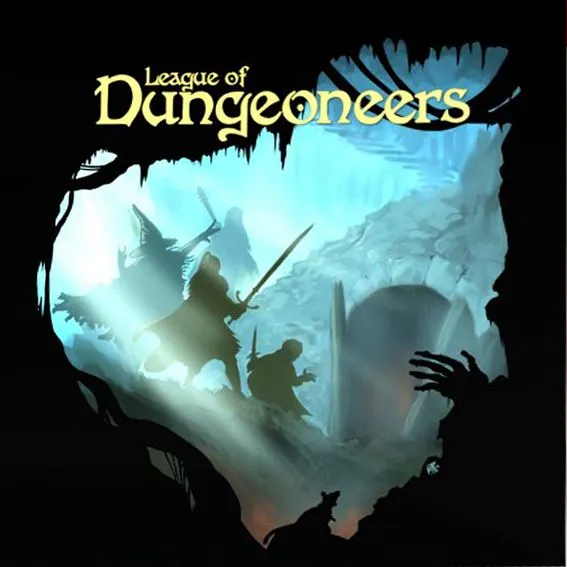
League of Dungeoneers
- 1–4 jugadores
- 90–180 min
- Complejidad 4,2/5
- 2022
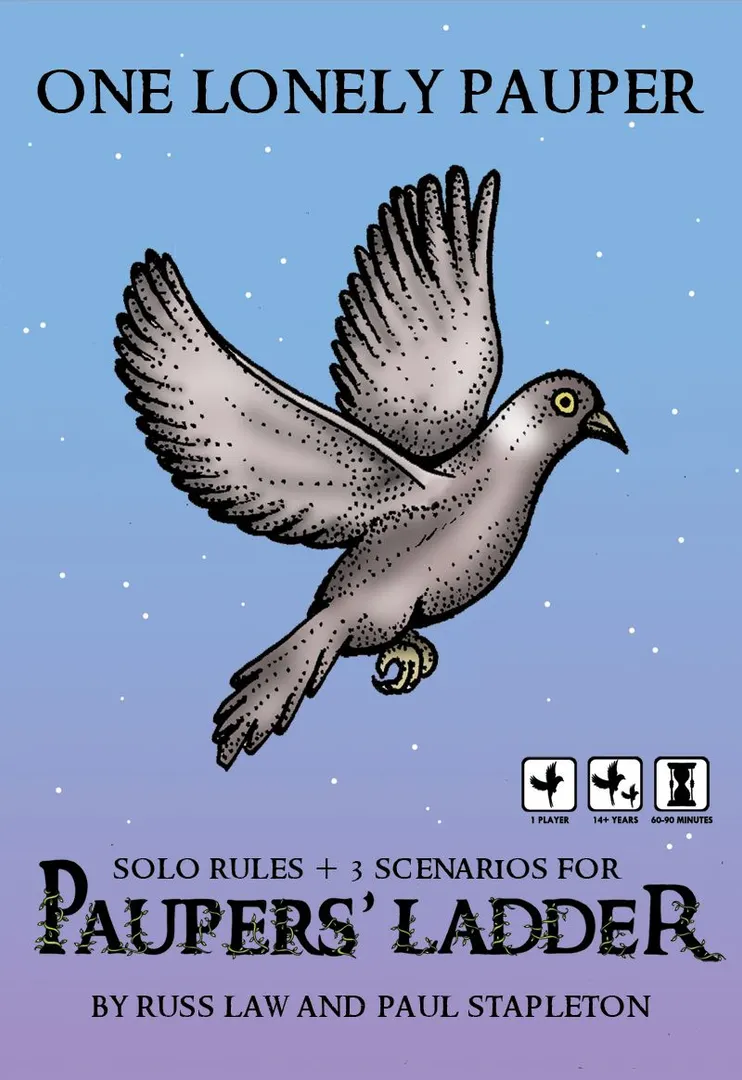
Ayuda con las reglas de Paupers' Ladder: One Lonely Pauper
Explicaciones claras de turnos, efectos de cartas y situaciones dudosas, con referencias a fuentes oficiales e historial de preguntas guardado.
¿Qué quieres saber?
Las respuestas salen del reglamento oficial, con la página para comprobarlo.
Paupers' Ladder: One Lonely Pauper es una expansión de Paupers' Ladder publicada en 2020 para 1 jugador, con partidas de 45 a 90 minutos y a partir de 8 años. Fue diseñado por Paul Stapleton y Russ Law y sus mecánicas principales son Tile Placement, Solo / Solitaire Game y Action / Event.




En inglés
One Lonely Pauper is a set of solo rules for Paupers' Ladder. It sees you take your Pauper and Bird companion on a Brighthelm adventure in one of these three scenarios: Garolium's Tournament: This is the standard Paupers' Ladder game, rewritten to be played solo. Learn 3 Virtues and take your place as ruler of the realm before one of your competitors beats you to it. The Saltash Necromancer: Freshly risen from the grave, this sorcerer has swamped Brighthelm's cities with his undead army. Defeat them then hunt him down to his subterranean lair, but don't forget to arm yourself with the only weapon known to stop him - the mythical spirit blade. The Fiery Siege: Dragons have attacked your home city. Stranded on the other side of Brighthelm, you must visit the arcane libraries to learn the dragonfire recipe, then make your way into your city unseen to take on the dragons from within.
Según el catálogo, Paupers' Ladder: One Lonely Pauper admite 1 jugador. Es el número de jugadores indicado por la editorial, así que el juego está diseñado exactamente para esa cantidad de participantes. Las variantes para otros tamaños de grupo, si existen, se describen en el reglamento de tu edición; consúltalo antes de preparar otra configuración.
La duración indicada para Paupers' Ladder: One Lonely Pauper es de 45 a 90 minutos, la estimación de la editorial para una partida completa. El tiempo real depende del grupo, del número de jugadores y del conocimiento de las reglas: las primeras partidas suelen alargarse y los grupos con experiencia terminan antes. La preparación y la explicación de las reglas no están incluidas.
El catálogo indica Paupers' Ladder: One Lonely Pauper a partir de 8 años. Es la recomendación de la editorial y refleja la lectura necesaria, la complejidad de las reglas y las piezas pequeñas, no solo el tema. Los más pequeños a menudo pueden jugar con ayuda de un adulto: comprueba la edad recomendada en tu edición y la experiencia de tu grupo.
Paupers' Ladder: One Lonely Pauper tiene una puntuación de complejidad de 2,0 sobre 5 según los jugadores de BoardGameGeek, lo que lo convierte en un juego algo ligero. La puntuación refleja cuánto conocimiento de reglas, planificación y toma de decisiones exige una partida típica. Los juegos exigentes requieren una explicación inicial más larga, así que conviene usar una guía de preparación.
Paupers' Ladder: One Lonely Pauper pertenece a estas categorías: Fantasy, Print & Play y Expansion for Base-game. Sus mecánicas principales son Tile Placement, Solo / Solitaire Game y Action / Event. Las categorías describen el tema y la ambientación de un juego, mientras que las mecánicas describen lo que los jugadores hacen realmente en su turno. Cada mecánica lleva a una página del catálogo con juegos similares.
Los autores acreditados de Paupers' Ladder: One Lonely Pauper son: Paul Stapleton y Russ Law. Estos créditos proceden de los datos publicados del juego y nombran a las personas responsables de su diseño, no a ilustradores ni editoriales. Las páginas de autor de MeepleRules reúnen otros títulos de los mismos autores, algo útil cuando un juego te gusta y buscas otros parecidos.
El catálogo clasifica Paupers' Ladder: One Lonely Pauper como expansión de Paupers' Ladder. Las expansiones añaden contenido, reglas o escenarios al juego base y normalmente no se pueden jugar solas, así que necesitas Paupers' Ladder para usarla. Comprueba que tu edición de Paupers' Ladder sea compatible, porque algunas expansiones se revisaron entre ediciones.