- Puesto en BGG
- BGG #17.817
- Puntuación BGG
- 6,4
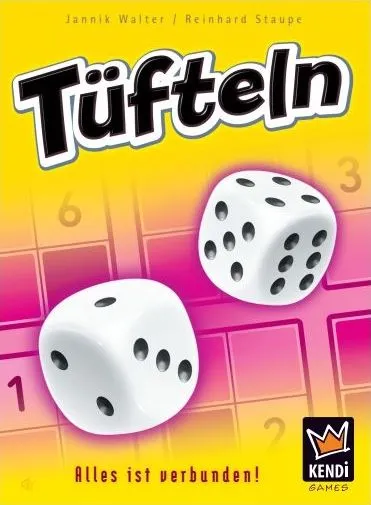
Tüfteln
1–15 jugadores15 min2024
Complejidad 1,3/5
2026
Ayuda con las reglas de Sneaky
Explicaciones claras de turnos, efectos de cartas y situaciones dudosas, con historial de preguntas guardado.
¿Qué quieres saber?
Las respuestas salen del reglamento oficial, con la página para comprobarlo.
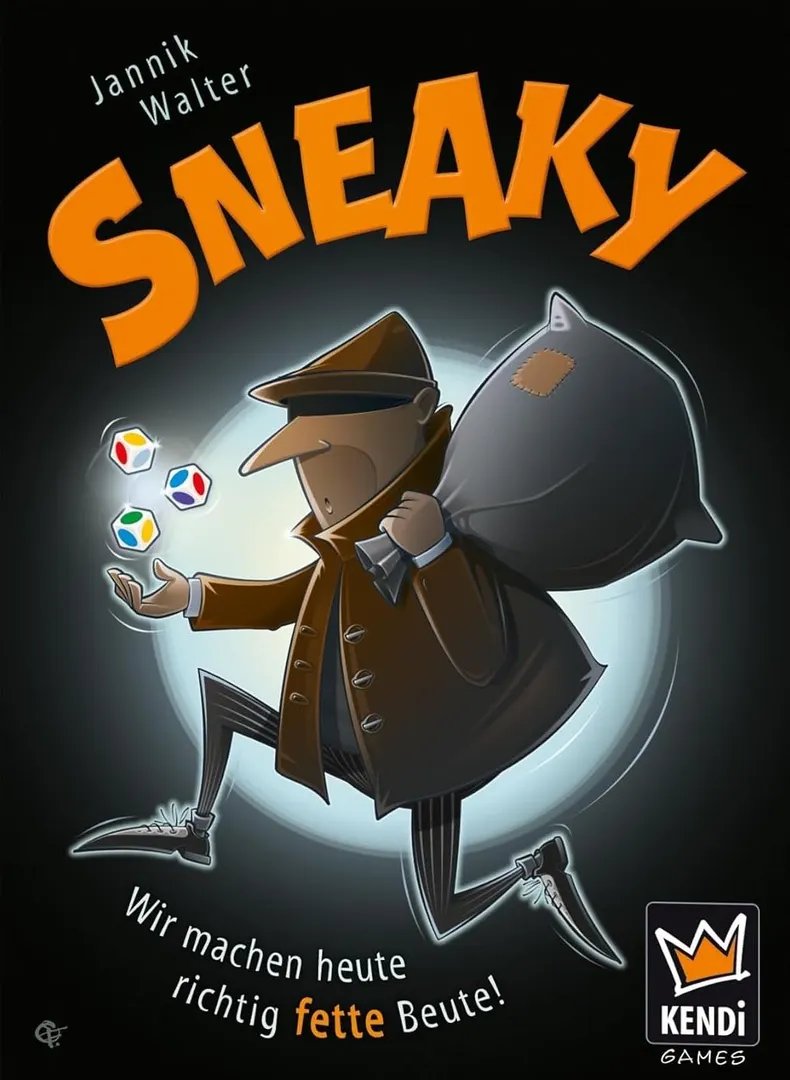
Sneaky es un juego de mesa publicado en 2026 para 2–4 jugadores, con partidas de 20 minutos y a partir de 8 años. Fue diseñado por Jannik Walter.
1–15 jugadores15 min2024
2–6 jugadores15 min2024
1–4 jugadores30–90 min2022

2–4 jugadores60 min2019

2–6 jugadores20–40 min2019

1–5 jugadores45–60 min2019
1–5 jugadores30–45 min2016

2–6 jugadores20–40 min2018
1–8 jugadores90 min2011

2 jugadores30 min2016
2–6 jugadores20–40 min2018
1–2 jugadores30–45 min2016
En inglés
In Sneaky, with a little luck and good timing, you try to win the most valuable thieves for yourself. If you throw a thief into the center of the table, you take it, but not all of them are immediately safe. Thieves with a value of 1 are considered safe and are placed face down. More valuable thieves, with values of 2 and 3, are placed face up in front of you. This is where the suspense begins, because only the top card of a stack is vulnerable and can be stolen by your opponents. In a two-player game, you even manage two face-up stacks. Handcuffs play a special role: they help you protect thieves and earn you extra points at the end of the game. If you collect them wisely, you can secure a decisive advantage. At the end, all the thief points collected are counted. In addition, you receive a bonus of 5 points if you have the most handcuffs. The player who is in the lead wins the game. Sneaky combines simple rules with direct interaction, little mischief, and quick decisions—ideal for families, casual games, and anyone who enjoys short, exciting games. Roll the dice wisely, secure your loot, and always stay one step ahead.
En inglés
Según el catálogo, Sneaky admite de 2 a 4 jugadores. Este intervalo corresponde al número de jugadores indicado por la editorial, así que el juego puede prepararse para cualquier grupo dentro de ese margen. La preparación, algunas reglas y la puntuación pueden variar según el número de jugadores; consulta la configuración exacta en el reglamento de tu edición.
La duración indicada para Sneaky es de 20 minutos, la estimación de la editorial para una partida completa. El tiempo real depende del grupo, del número de jugadores y del conocimiento de las reglas: las primeras partidas suelen alargarse y los grupos con experiencia terminan antes. La preparación y la explicación de las reglas no están incluidas.
El catálogo indica Sneaky a partir de 8 años. Es la recomendación de la editorial y refleja la lectura necesaria, la complejidad de las reglas y las piezas pequeñas, no solo el tema. Los más pequeños a menudo pueden jugar con ayuda de un adulto: comprueba la edad recomendada en tu edición y la experiencia de tu grupo.
Sneaky tiene una puntuación de complejidad de 1,0 sobre 5 según los jugadores de BoardGameGeek, lo que lo convierte en un juego ligero. La puntuación refleja cuánto conocimiento de reglas, planificación y toma de decisiones exige una partida típica. Los juegos exigentes requieren una explicación inicial más larga, así que conviene usar una guía de preparación.
Sneaky pertenece a estas categorías: Card Game y Dice. Las categorías describen el tema, la ambientación y el estilo de un juego, no sus reglas. Filtra el catálogo por la misma categoría para encontrar juegos similares si te gustó Sneaky y buscas algo parecido para tu próxima noche de juegos.
Los autores acreditados de Sneaky son: Jannik Walter. Estos créditos proceden de los datos publicados del juego y nombran a las personas responsables de su diseño, no a ilustradores ni editoriales. Las páginas de autor de MeepleRules reúnen otros títulos de los mismos autores, algo útil cuando un juego te gusta y buscas otros parecidos.
El catálogo clasifica Sneaky como juego base. Se juega por sí solo con los componentes de la caja y no requiere ningún otro título. Las expansiones, si existen, añaden contenido o reglas nuevas y aparecen por separado en el catálogo con un enlace a este juego base.

