
- Puesto en BGG
- BGG #10.789
- Puntuación BGG
- 7,7
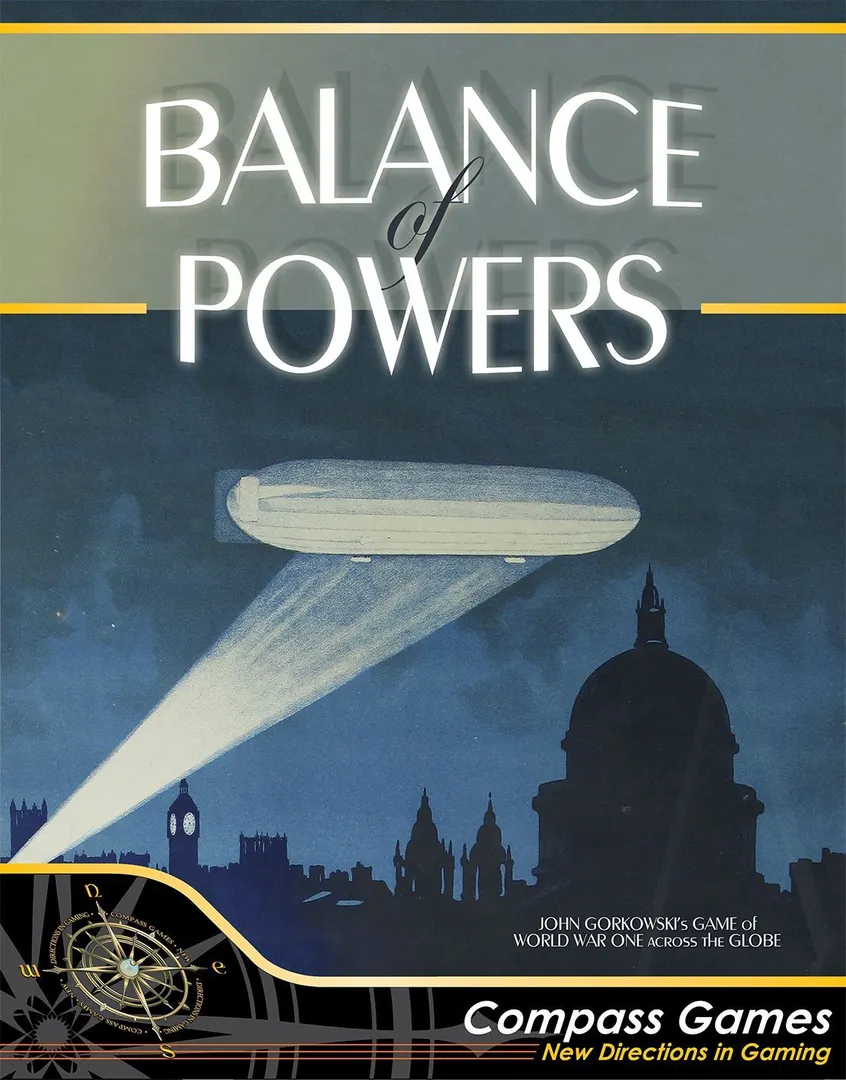
Balance of Powers
- 2–7 jugadores
- 120–1440 min
- Complejidad 3,4/5
- 2015
2017
Ayuda con las reglas de South China Sea: Modern Naval Conflict in the South Pacific
Explicaciones claras de turnos, efectos de cartas y situaciones dudosas, con referencias a fuentes oficiales e historial de preguntas guardado.
Para 2 jugadores
¿Qué quieres saber?
Las respuestas salen del reglamento oficial, con la página para comprobarlo.
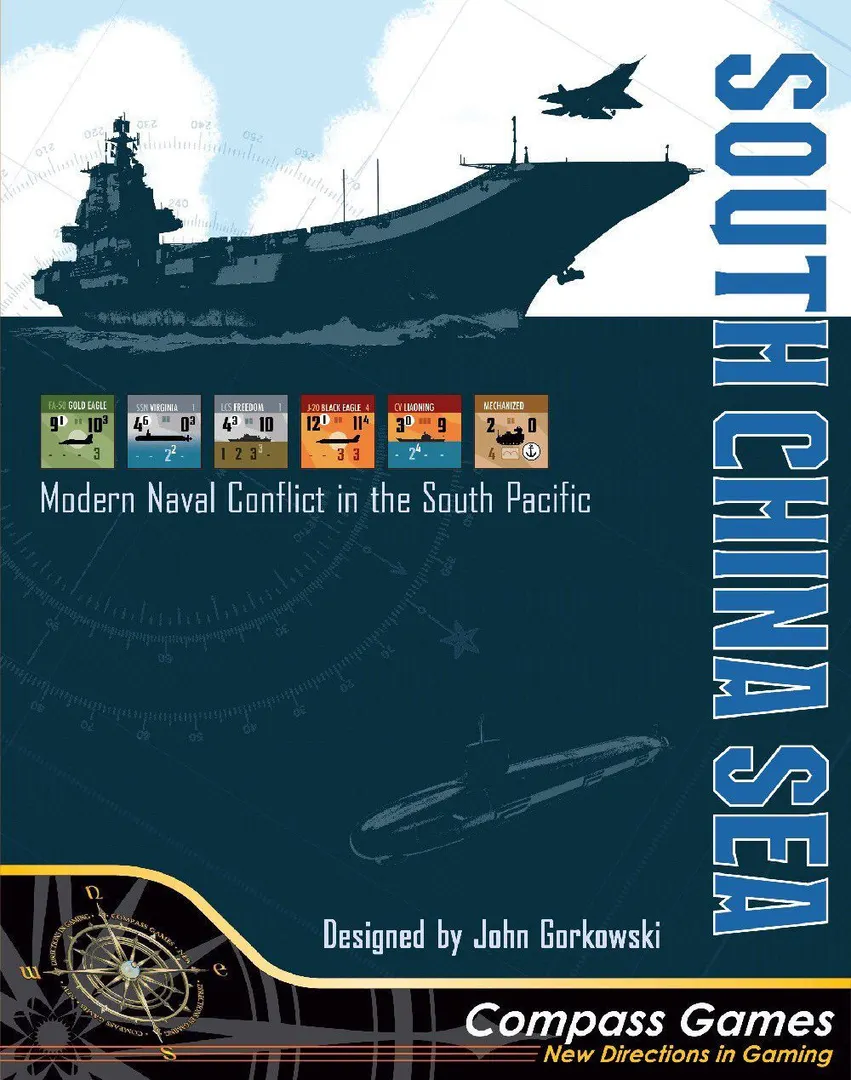
South China Sea: Modern Naval Conflict in the South Pacific es un juego de mesa publicado en 2017 para 2–3 jugadores, con partidas de 120 a 240 minutos y a partir de 11 años. Fue diseñado por John Gorkowski y sus mecánicas principales son Dice Rolling, Hexagon Grid y Simulation.




En inglés
South China Sea (SCS) provides an integrated political-military simulation of near future contention and conflict around the South China Sea. Players take on the roles of China, the United States, Malaysia, the Philippines, and Vietnam. They simulate current political tensions through card play and structured negotiation keyed to real world events in an effort to "move the needle" to their side. Unfortunately, the cards with the greatest chance of moving that needle, such as Chinese Coast Guard and U.S. Freedom of Navigation Exercise, are also most likely to trigger armed conflict. If and when that happens, play transitions to traditional hex-and-counter format on a map scaled at 45 nautical miles (nmi) per hex and turns of 3-7 hours. SCS is derived from Breaking the Chains (BtC), but is definitely a different game. How do the two differ? SCS begins with political turns that can lead to victory without armed conflict. For armed conflict, SCS focuses more closely on the South China Sea (45 nmi per hex) rather than the larger southeast Asian region of BtC (70 nmi per hex) and uses smaller units such as air squadrons, ship pairs, and land battalions. Therefore, the SCS map shows more detail, but less territory. SCS employs streamlined versions of BtC's turn structure and strike mechanisms that expedite play by dispensing with numerous cycles and strike paths. SCS nodded to ergonomics by putting all scores on one side of each counter – less flipping. Most important, SCS allows naval units to move more than one hex in a single turn, but includes a mechanism, based on stealth, that enables the other side to "check" multi-hex moves to create a more dynamic, variable, and volatile environment. This last adjustment allows quick moves at a distance, but prevents close-in ships from "jumping" through the beaten zone of modern anti-ship cruise missiles (ASCM), 290 nmi in some cases. And, every turn has the option for a negotiations phase with some structure to enhance political play if desired.
Según el catálogo, South China Sea: Modern Naval Conflict in the South Pacific admite de 2 a 3 jugadores. Este intervalo corresponde al número de jugadores indicado por la editorial, así que el juego puede prepararse para cualquier grupo dentro de ese margen. La preparación, algunas reglas y la puntuación pueden variar según el número de jugadores; consulta la configuración exacta en el reglamento de tu edición.
La duración indicada para South China Sea: Modern Naval Conflict in the South Pacific es de 120 a 240 minutos, la estimación de la editorial para una partida completa. El tiempo real depende del grupo, del número de jugadores y del conocimiento de las reglas: las primeras partidas suelen alargarse y los grupos con experiencia terminan antes. La preparación y la explicación de las reglas no están incluidas.
El catálogo indica South China Sea: Modern Naval Conflict in the South Pacific a partir de 11 años. Es la recomendación de la editorial y refleja la lectura necesaria, la complejidad de las reglas y las piezas pequeñas, no solo el tema. Los más pequeños a menudo pueden jugar con ayuda de un adulto: comprueba la edad recomendada en tu edición y la experiencia de tu grupo.
South China Sea: Modern Naval Conflict in the South Pacific tiene una puntuación de complejidad de 2,9 sobre 5 según los jugadores de BoardGameGeek, lo que lo convierte en un juego algo ligero. La puntuación refleja cuánto conocimiento de reglas, planificación y toma de decisiones exige una partida típica. Los juegos exigentes requieren una explicación inicial más larga, así que conviene usar una guía de preparación.
South China Sea: Modern Naval Conflict in the South Pacific pertenece a estas categorías: Wargame, Nautical y Political. Sus mecánicas principales son Dice Rolling, Hexagon Grid y Simulation. Las categorías describen el tema y la ambientación de un juego, mientras que las mecánicas describen lo que los jugadores hacen realmente en su turno. Cada mecánica lleva a una página del catálogo con juegos similares.
Los autores acreditados de South China Sea: Modern Naval Conflict in the South Pacific son: John Gorkowski. Estos créditos proceden de los datos publicados del juego y nombran a las personas responsables de su diseño, no a ilustradores ni editoriales. Las páginas de autor de MeepleRules reúnen otros títulos de los mismos autores, algo útil cuando un juego te gusta y buscas otros parecidos.
El catálogo clasifica South China Sea: Modern Naval Conflict in the South Pacific como juego base. Se juega por sí solo con los componentes de la caja y no requiere ningún otro título. Las expansiones, si existen, añaden contenido o reglas nuevas y aparecen por separado en el catálogo con un enlace a este juego base.