
- Puesto en BGG
- BGG #11.431
- Puntuación BGG
- 7,7
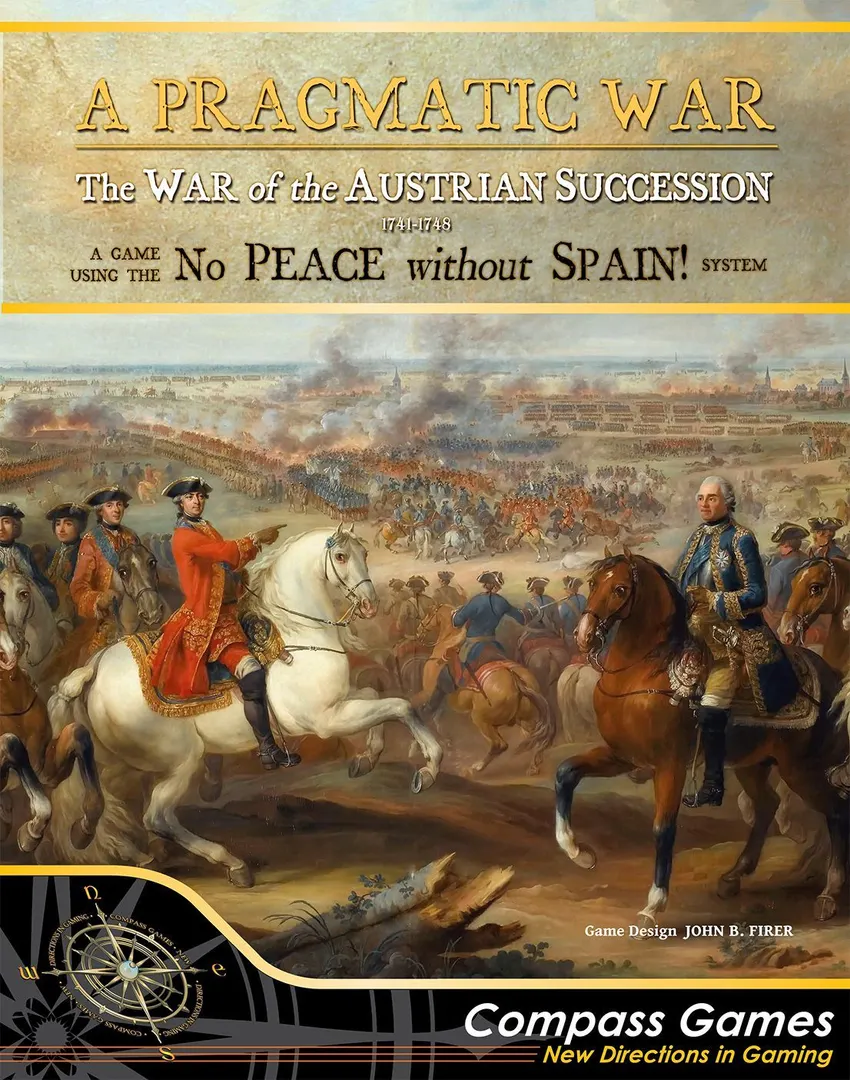
A Pragmatic War: The War of the Austrian Succession 1741 – 1748
- 2 jugadores
- 180–300 min
- Complejidad 2,5/5
- 2019
2008
Ayuda con las reglas de Spartacus: Crisis in the Roman Republic 80-71 B.C.
Explicaciones claras de turnos, efectos de cartas y situaciones dudosas, con referencias a fuentes oficiales e historial de preguntas guardado.
Para 2 jugadores
¿Qué quieres saber?
Las respuestas salen del reglamento oficial, con la página para comprobarlo.
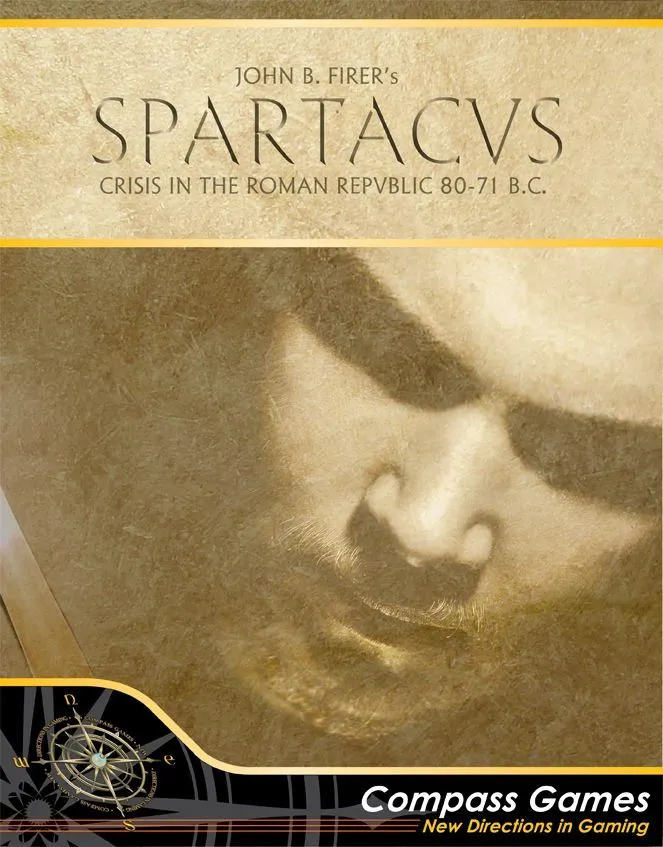
Spartacus: Crisis in the Roman Republic 80-71 B.C. es un juego de mesa publicado en 2008 para 2 jugadores, con partidas de 300 minutos y a partir de 12 años. Fue diseñado por John B. Firer y sus mecánicas principales son Dice Rolling, Point to Point Movement y Simulation.


En inglés
From the Publisher's website: "Spartacus: Crisis in the Roman Republic 80-71 B.C." is a two player, Strategic level, Card-Driven, point-to-point board-wargame simulation pitting a loose coalition of forces under Sertorius against the Roman Republic as restructured under Sulla and his lieutenants. As the Sertorian coalition, your objective is to force the Republic into collapse in order to rebuild it as it was before the Sullans changed the constitution. This is done through putting pressure on the Republic by territorial conquests, by exacerbating the tensions in the Republic, forcing it to utilize the services of new, potential Sullas to counter your armies in the field, or by taking Rome itself! As the Republic, you must defeat and neutralize Sertorius quickly, before he can conclude an alliance with Mithradates VI and cause a two-front war. However, the levying of too many troops to fight the enemy coupled with the utilization of ambitious generals can bring on the very circumstances you are trying to avoid, collapse of the Republic. In addition, care must be taken with Italy itself because in the background, civil war looms in the guise of Lepidus, and even worse, a slave revolt under the able gladiator-leader, Spartacus. Both sides can battle their adversaries using conventional forces, conduct guerrilla and pacification operations with the intention of denying your opponent control of strategic spaces and provinces, and attempt to hasten or delay the political collapse of the Republic. The central mechanism that influences all actions in the simulation is the Republican Crisis Track, which monitors the level of crisis in the Republic. All actions on the battlefield, the state of the empire, the strain of recruiting legions and utilizing ambitious generals, and the use of power politics, are ultimately reflected on the Crisis Track. The Sertorians hope to move the track towards heightened crisis while the Republic hopes to keep it well away from a political collapse. In the end, if the Republic manages to avoid collapse, it can still lose by having a strong, Sertorian presence on the board. "Spartacus" requires the player to successfully exercise many facets of military-political acumen in order to defeat his opponent while preserving the most precious asset of all, survival.
Según el catálogo, Spartacus: Crisis in the Roman Republic 80-71 B.C. admite 2 jugadores. Es el número de jugadores indicado por la editorial, así que el juego está diseñado exactamente para esa cantidad de participantes. Las variantes para otros tamaños de grupo, si existen, se describen en el reglamento de tu edición; consúltalo antes de preparar otra configuración.
La duración indicada para Spartacus: Crisis in the Roman Republic 80-71 B.C. es de 300 minutos, la estimación de la editorial para una partida completa. El tiempo real depende del grupo, del número de jugadores y del conocimiento de las reglas: las primeras partidas suelen alargarse y los grupos con experiencia terminan antes. La preparación y la explicación de las reglas no están incluidas.
El catálogo indica Spartacus: Crisis in the Roman Republic 80-71 B.C. a partir de 12 años. Es la recomendación de la editorial y refleja la lectura necesaria, la complejidad de las reglas y las piezas pequeñas, no solo el tema. Los más pequeños a menudo pueden jugar con ayuda de un adulto: comprueba la edad recomendada en tu edición y la experiencia de tu grupo.
Spartacus: Crisis in the Roman Republic 80-71 B.C. tiene una puntuación de complejidad de 3,3 sobre 5 según los jugadores de BoardGameGeek, lo que lo convierte en un juego de complejidad media. La puntuación refleja cuánto conocimiento de reglas, planificación y toma de decisiones exige una partida típica. Los juegos exigentes requieren una explicación inicial más larga, así que conviene usar una guía de preparación.
Spartacus: Crisis in the Roman Republic 80-71 B.C. pertenece a estas categorías: Wargame, Political y Ancient. Sus mecánicas principales son Dice Rolling, Point to Point Movement y Simulation. Las categorías describen el tema y la ambientación de un juego, mientras que las mecánicas describen lo que los jugadores hacen realmente en su turno. Cada mecánica lleva a una página del catálogo con juegos similares.
Los autores acreditados de Spartacus: Crisis in the Roman Republic 80-71 B.C. son: John B. Firer. Estos créditos proceden de los datos publicados del juego y nombran a las personas responsables de su diseño, no a ilustradores ni editoriales. Las páginas de autor de MeepleRules reúnen otros títulos de los mismos autores, algo útil cuando un juego te gusta y buscas otros parecidos.
El catálogo clasifica Spartacus: Crisis in the Roman Republic 80-71 B.C. como juego base. Se juega por sí solo con los componentes de la caja y no requiere ningún otro título. Las expansiones, si existen, añaden contenido o reglas nuevas y aparecen por separado en el catálogo con un enlace a este juego base.