
- Puntuación BGG
- 7,1
The Artemis Project: "Alien Relic" Mini-Expansion
- 1–5 jugadores
- 60–75 min
- Complejidad 3,0/5
- 2019
2019
Ayuda con las reglas de The Artemis Project
Explicaciones claras de turnos, efectos de cartas y situaciones dudosas, con referencias a fuentes oficiales e historial de preguntas guardado.
Para 1 jugador
¿Qué quieres saber?
Las respuestas salen del reglamento oficial, con la página para comprobarlo.
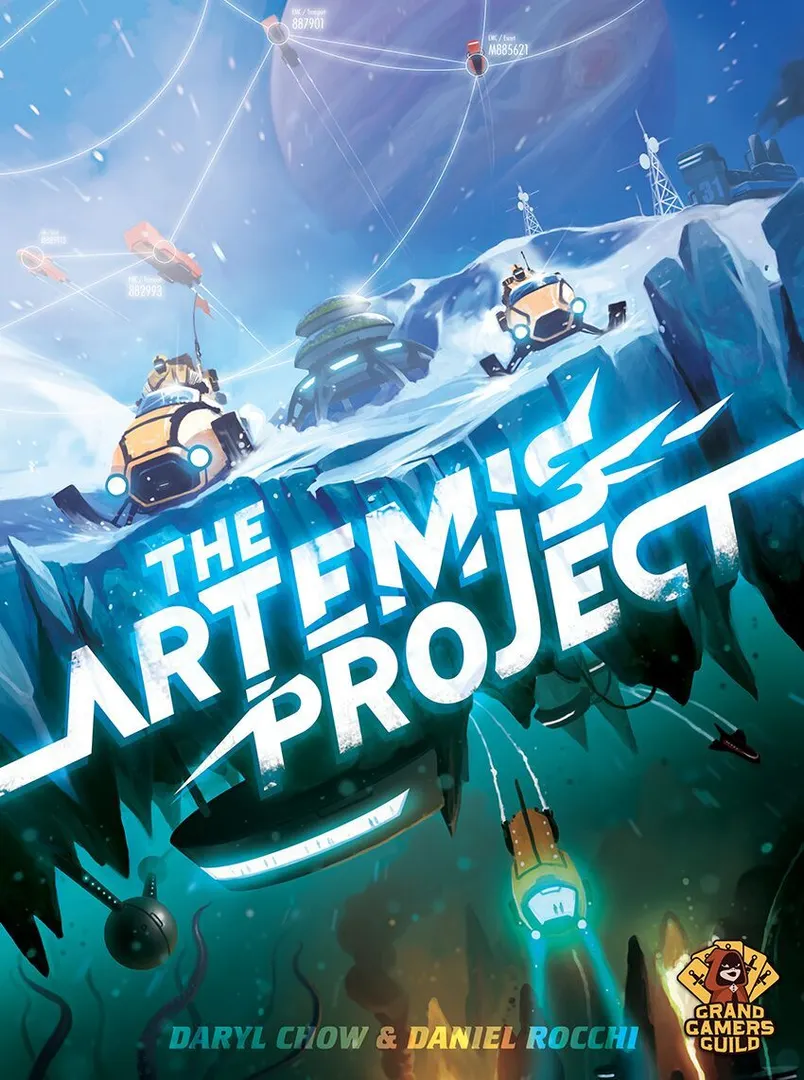
The Artemis Project es un juego de mesa publicado en 2019 para 1–5 jugadores, con partidas de 60 a 75 minutos y a partir de 13 años. Fue diseñado por Daryl Chow y Daniel Rocchi y sus mecánicas principales son Set Collection, Auction / Bidding y Dice Rolling.

En inglés
Europa, Jupiter's moon. Deep beneath the crust, the oceans are teeming with alien sea life. Shellfish, plants, corals, arthropods, even strange fish and larger sea creatures populate a wide-ranging interconnected web of hidden seas. Volcanism is rampant, warming the mineral-rich waters and creating excellent conditions for energy-harvesting. The largest cavern close to the surface is known as The Pocket. This is where the initial teams of Stabilizers built their first outposts, with the intent to establish long-term communities capable of surviving indefinitely. Aqua-farming is well established; food and other sundries are efficiently gathered. The Pocket has many deposits of minerals and crystals that can be mined and processed to create strong and versatile construction materials locally. Colonists arrive at the Doorstep at regular intervals when the Threshold is opened. The arrivals are of four general types: Pioneers (who are tasked with exploring the changing surface of the moon and the labyrinth of seas beneath), Engineers (who develop and operate the machinery and structures needed to run the colonies), Marines (who defend the colonies from hostile sea life, unwanted intruders, and other colonies), and Stewards (overseers responsible for strategy and negotiation). Colony development mostly occurs beneath the ice; this is where all of the moon’s resources are concentrated, so this is where the effort is best spent. To keep close to the surface, most colony structures are built clinging onto the underside of the ice crust. Surface structures will be built only once an undersea outpost is well established and beginning to thrive. In addition to construction and resource-gathering, colonies spend a lot of effort on exploring this new environment. The volcanic action and mineral-heavy waters make long-range scanning unreliable, so physical exploration is required to plumb the depths. As the Pocket is explored and expanded, the established colonies have been making some unusual discoveries beneath the ice. Deep in the trenches, artifacts of non-human origin are starting to be found. The dark seas hide many secrets. Squads of mercenaries occasionally appear on the surface and beneath the sea, penetrating the Threshold somehow to carry out an unknown mission on the moon. These aspects are worrisome but can’t distract the colonies from their main goals. It is still early in the Artemis project. A foothold on life here has been gained, but it will take tenacious effort from the competing colonies to reach the point where Europa is truly viable as a home. The Artemis Project is a dice (dis)placement and engine building game that has you fighting the planet as well as the other players. Roll your dice and place them tactically to thwart the other colonists. Harvest energy and minerals. Bid for buildings. Work together to go on Expeditions to earn rewards. Train workers. Will your efforts be enough to survive?
Según el catálogo, The Artemis Project admite de 1 a 5 jugadores. Este intervalo corresponde al número de jugadores indicado por la editorial, así que el juego puede prepararse para cualquier grupo dentro de ese margen. La preparación, algunas reglas y la puntuación pueden variar según el número de jugadores; consulta la configuración exacta en el reglamento de tu edición.
La duración indicada para The Artemis Project es de 60 a 75 minutos, la estimación de la editorial para una partida completa. El tiempo real depende del grupo, del número de jugadores y del conocimiento de las reglas: las primeras partidas suelen alargarse y los grupos con experiencia terminan antes. La preparación y la explicación de las reglas no están incluidas.
El catálogo indica The Artemis Project a partir de 13 años. Es la recomendación de la editorial y refleja la lectura necesaria, la complejidad de las reglas y las piezas pequeñas, no solo el tema. Los más pequeños a menudo pueden jugar con ayuda de un adulto: comprueba la edad recomendada en tu edición y la experiencia de tu grupo.
The Artemis Project tiene una puntuación de complejidad de 2,9 sobre 5 según los jugadores de BoardGameGeek, lo que lo convierte en un juego algo ligero. La puntuación refleja cuánto conocimiento de reglas, planificación y toma de decisiones exige una partida típica. Los juegos exigentes requieren una explicación inicial más larga, así que conviene usar una guía de preparación.
The Artemis Project pertenece a estas categorías: Dice, Science Fiction y Space Exploration. Sus mecánicas principales son Set Collection, Auction / Bidding y Dice Rolling. Las categorías describen el tema y la ambientación de un juego, mientras que las mecánicas describen lo que los jugadores hacen realmente en su turno. Cada mecánica lleva a una página del catálogo con juegos similares.
Los autores acreditados de The Artemis Project son: Daryl Chow y Daniel Rocchi. Estos créditos proceden de los datos publicados del juego y nombran a las personas responsables de su diseño, no a ilustradores ni editoriales. Las páginas de autor de MeepleRules reúnen otros títulos de los mismos autores, algo útil cuando un juego te gusta y buscas otros parecidos.
El catálogo clasifica The Artemis Project como juego base. Se juega por sí solo con los componentes de la caja y no requiere ningún otro título. Las expansiones, si existen, añaden contenido o reglas nuevas y aparecen por separado en el catálogo con un enlace a este juego base.