
- Puntuación BGG
- 7,9
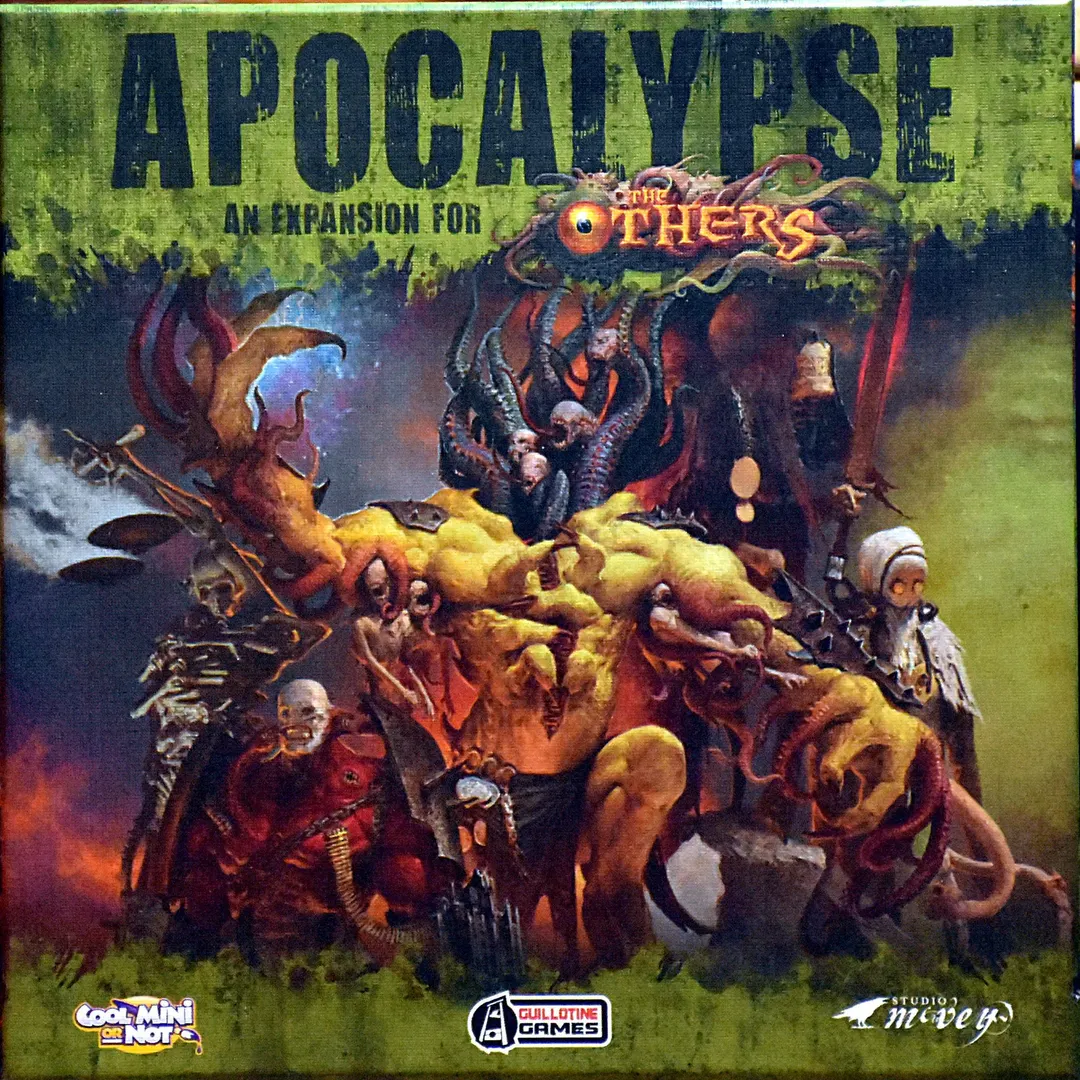
The Others: 7 Sins – Apocalypse Expansion
- 2–5 jugadores
- 90 min
- Complejidad 3,0/5
- 2016
2016
Ayuda con las reglas de The Others
Explicaciones claras de turnos, efectos de cartas y situaciones dudosas, con referencias a fuentes oficiales e historial de preguntas guardado.
Para 2 jugadores
¿Qué quieres saber?
Las respuestas salen del reglamento oficial, con la página para comprobarlo.
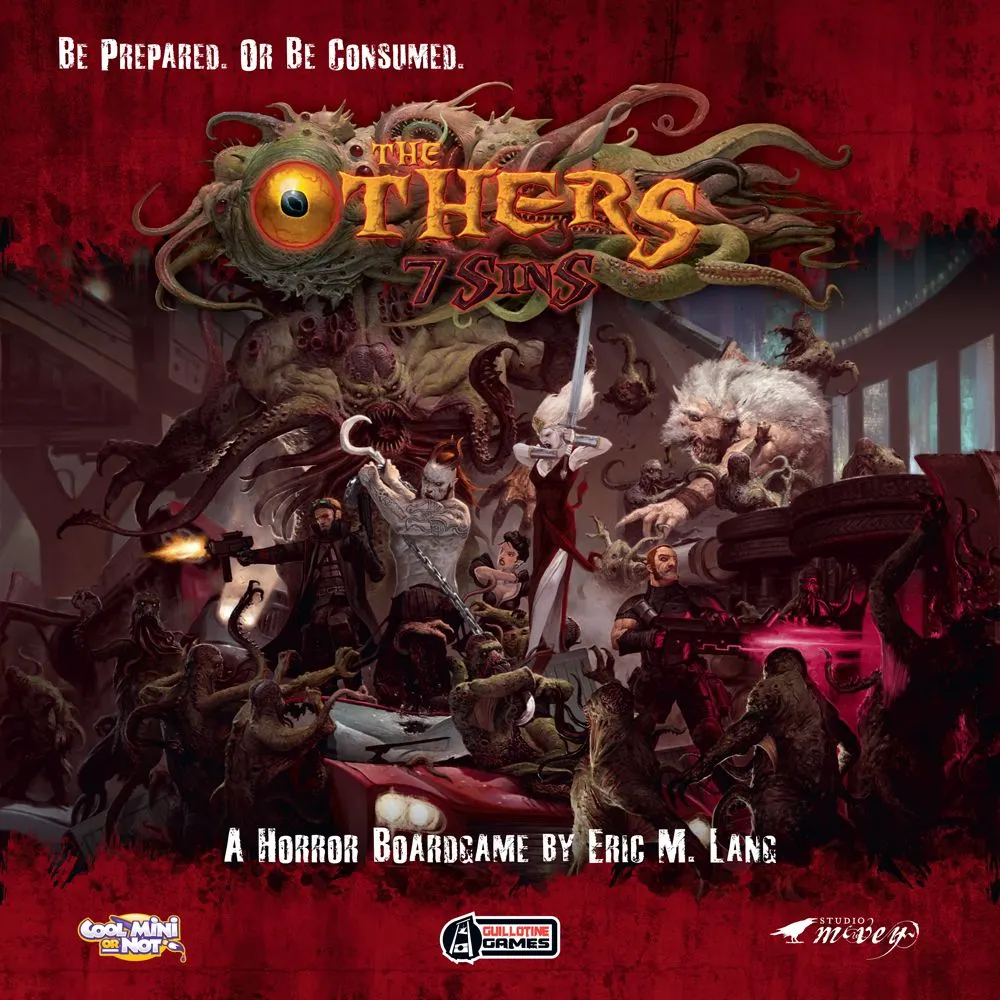
The Others es un juego de mesa publicado en 2016 para 2–5 jugadores, con partidas de 90 minutos y a partir de 14 años. Fue diseñado por Eric M. Lang y sus mecánicas principales son Variable Player Powers, Area Movement y Dice Rolling.

En inglés
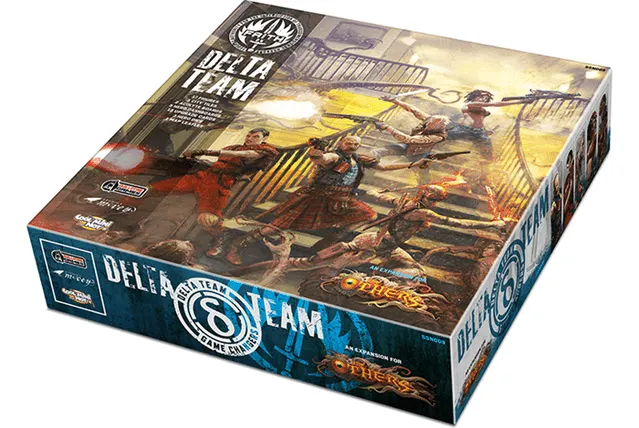
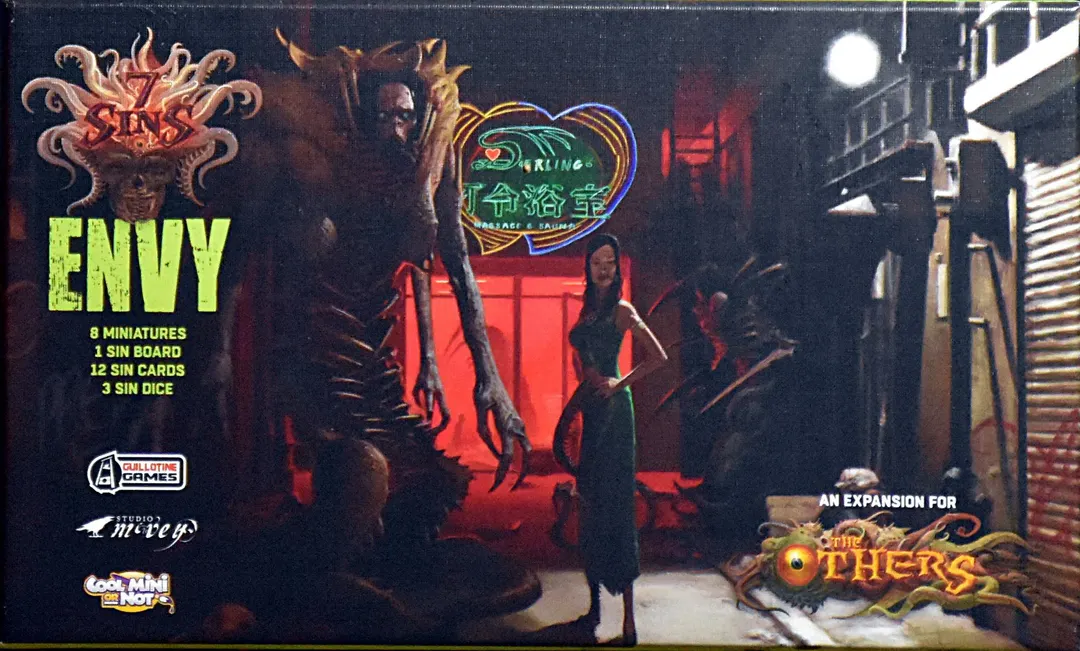
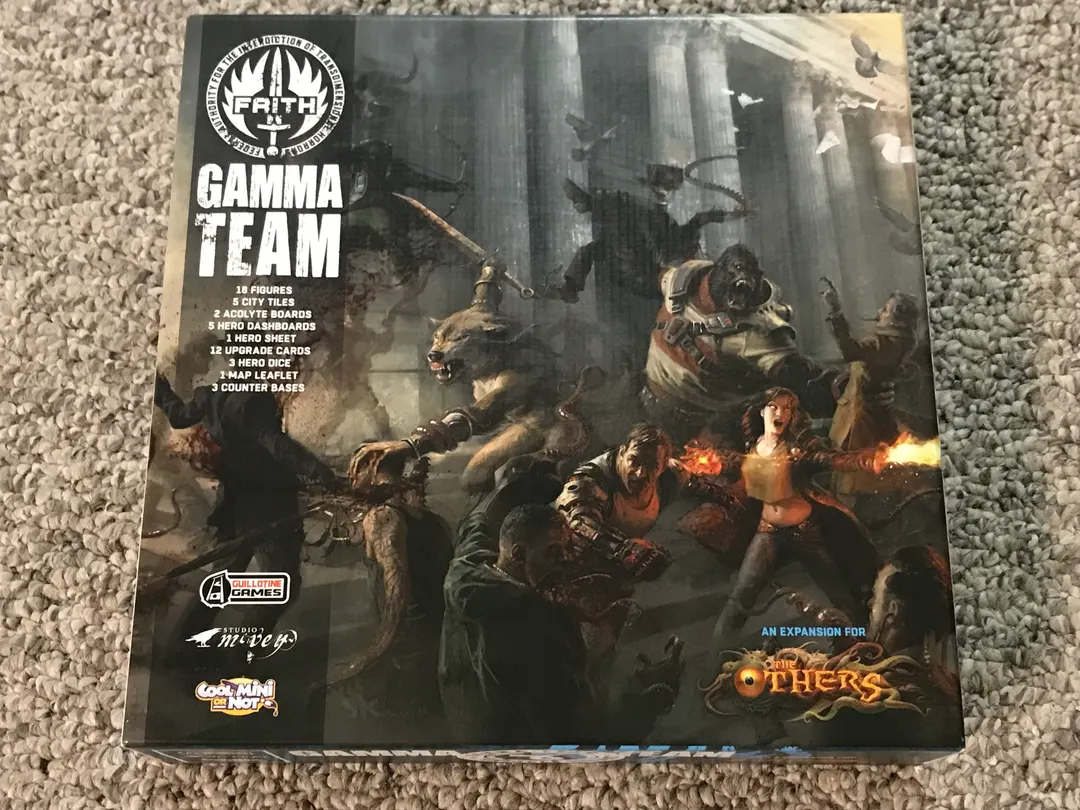
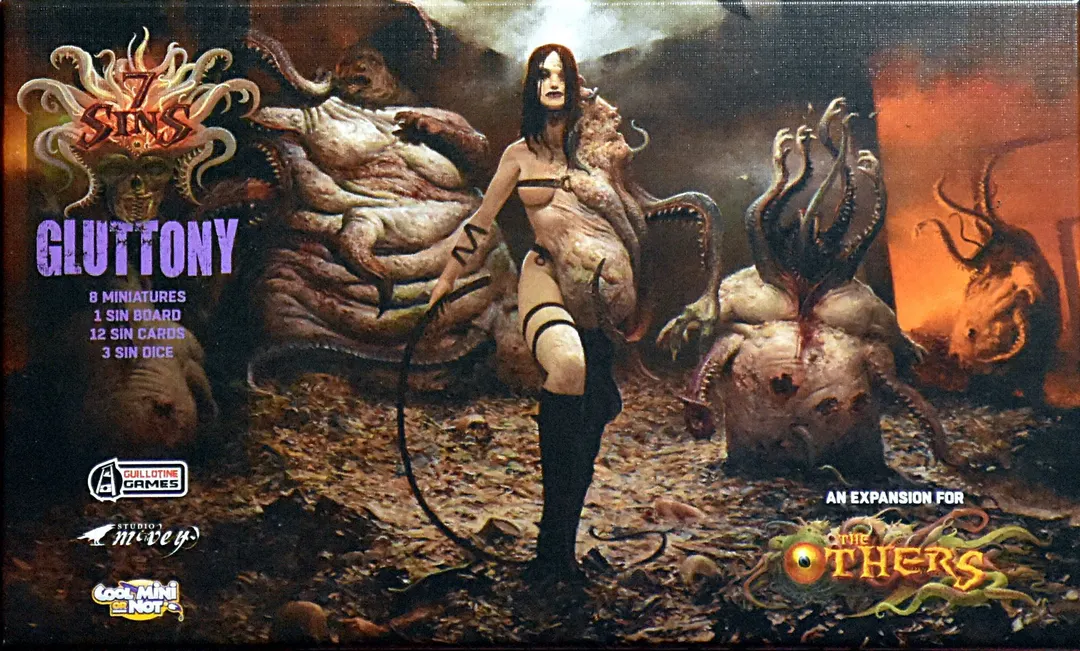
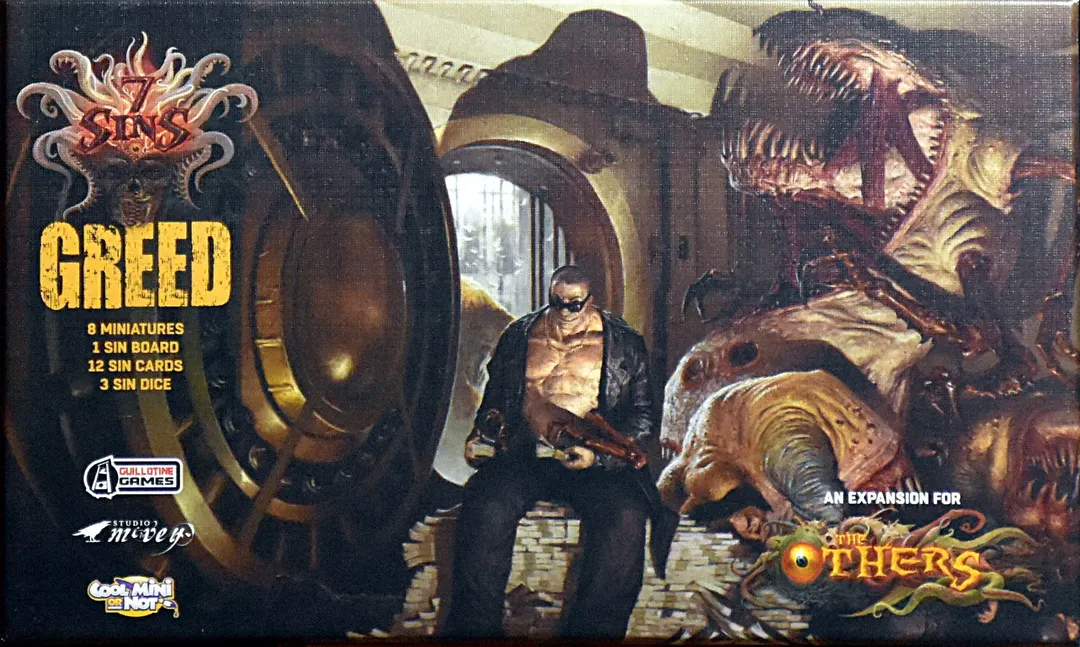
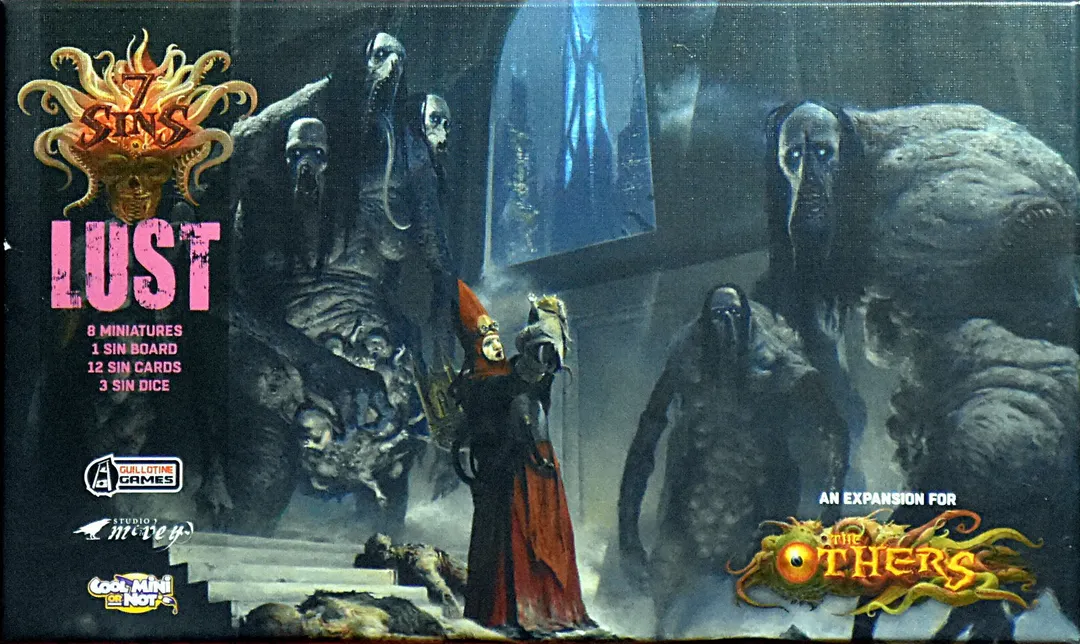
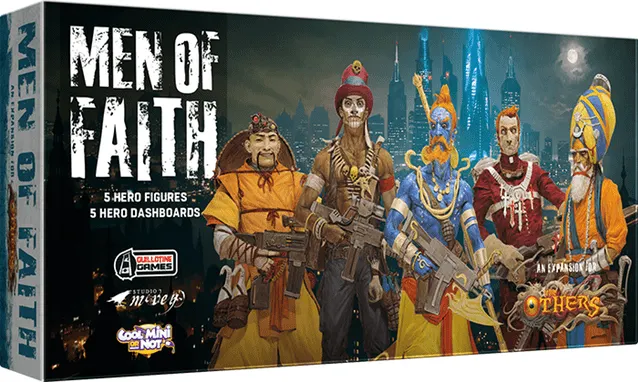
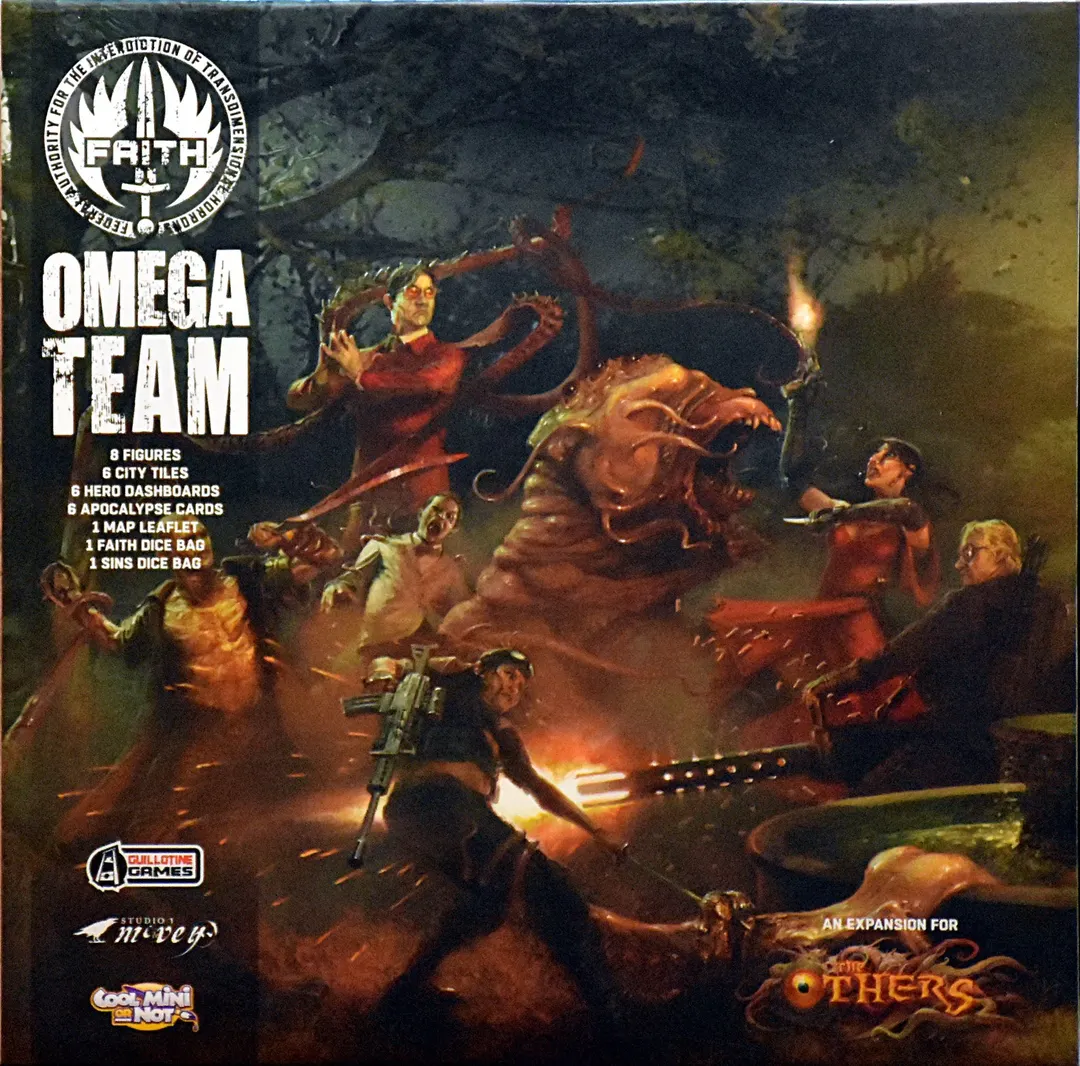
In The Others, the world stands on the brink of apocalypse, as the fanatics of the Hell Club have summoned the 7 Deadly Sins to lay waste to our reality. Slowly the Others have creeped into our lives, corrupting society from within. The city of Haven is the key to their invasion, but it will not go down without a fight, thanks to the actions of the paranormal organization known as F.A.I.T.H. (Federal Authority for the Interdiction of Transdimensional Horrors). Each session of The Others is played with one player controlling the forces of a single Sin, against the other players who control a team of 7 FAITH heroes. The heroes cooperate to survive the Sin's attacks and accomplish the missions set before them, while the Sin attempts to thwart the heroes in all ways (preferably by destroying them). The heroes are divided into different classes, each specialized in a different aspect of the game. Leaders are good at helping the other members of the team. Bruisers are excellent melee fighters. Snipers are experts at using guns to put down monsters from a distance. And Fixers have the resourcefulness and knowledge of the occult necessary to resolve supernatural crises that spread through the city. Each hero also has their own stats and unique abilities that set them apart from all others. Knowing when to bring in the right reinforcement can be key to FAITH’s victory. Corruption is one of the main mechanics of the game. It is both a way for the Sin to consume heroes, and a way for heroes to accomplish amazing feats they wouldn’t be capable of normally. Taking corruption grants heroes powerful bonuses (as long as they keep taking corruption), but when they become fully corrupted, their darkest secrets may come back to haunt them and tear the team from within, or their flesh might simply succumb to the sinful influences. The Sins player, on the other hand, has access to the different monsters of each Sin, including Abominations, a Controller, and the terrifying Avatar of Sin! These monsters can attempt to destroy the heroes, or simply hinder their progress on their missions. Each Sin provides the Sins Player with a different deck of Sins cards that can be played at different times to surprise players with different effects, often tied to the strategy of each Sin. Yes, because each Sin taints the game with an overarching mechanic that is always in effect. For example, Pride punishes prideful heroes that venture into the streets on their own, while Sloth punishes heroes who try to move quickly across the board. Heroes will need to learn to deal with the different influence of each Sin, which will always stand between them and their mission. The Sins are also aided by Acolytes, with each session using a different type. These lowly corrupted servants of darkness can fight and stand in the way of heroes, but they also have a once per round special ability that reflects their previous lives. For example, corrupted hobos take equipment from heroes, corrupted nuns corrupt the city districts, and corrupted doctors keep heroes from healing. There are 7 different stories that players can embark on for each session of The Others. Each of them brings different special rules, different dynamics, and a unique system of branching missions the heroes need to accomplish in order to be victorious. There are Terror stories, which are more straightforward, focusing on action and combat; Corruption stories revolve around the Corruption spreading through the city and the heroes themselves; and Redemption stories rely on saving the city and the few innocents that remain. Each story can be played on a different map setup, which further makes the dynamic of each session unique. The board used in The Others is made up of several tiles, each depicting a different city district and different configurations of streets. As the city of Haven still belongs to humanity, and it’s the Sins that are attempting to take it over, the heroes can use it to get different benefits each district offers them. For example, they can go to the hospital to heal wounds, to the museum to get rid of corruption, to the RavenCorp tower to get new equipment, or to the police station to call in an orbital strike. What districts are available on each map, and their location, can greatly change the dynamic of the game. As the game progresses, and depending on how badly the heroes fare against storyline plot twists and developments, the Apocalypse Track will advance, making the Sins gradually stronger and more terrifying. Apocalypse cards, tied to the type of story being played (Terror, Corruption, or Redemption) introduce new twists and challenges to the game, even bringing in the members of the Hell Club themselves! Heroes will die. Either in noble sacrifice, torn apart by claws and tentacles, or consumed by the corruption welling up in their souls. The question is whether the FAITH team will manage to fulfill their final mission in time, or whether the Sins will reign supreme over humanity. —description from the publisher
Según el catálogo, The Others admite de 2 a 5 jugadores. Este intervalo corresponde al número de jugadores indicado por la editorial, así que el juego puede prepararse para cualquier grupo dentro de ese margen. La preparación, algunas reglas y la puntuación pueden variar según el número de jugadores; consulta la configuración exacta en el reglamento de tu edición.
La duración indicada para The Others es de 90 minutos, la estimación de la editorial para una partida completa. El tiempo real depende del grupo, del número de jugadores y del conocimiento de las reglas: las primeras partidas suelen alargarse y los grupos con experiencia terminan antes. La preparación y la explicación de las reglas no están incluidas.
El catálogo indica The Others a partir de 14 años. Es la recomendación de la editorial y refleja la lectura necesaria, la complejidad de las reglas y las piezas pequeñas, no solo el tema. Los más pequeños a menudo pueden jugar con ayuda de un adulto: comprueba la edad recomendada en tu edición y la experiencia de tu grupo.
The Others tiene una puntuación de complejidad de 3,1 sobre 5 según los jugadores de BoardGameGeek, lo que lo convierte en un juego de complejidad media. La puntuación refleja cuánto conocimiento de reglas, planificación y toma de decisiones exige una partida típica. Los juegos exigentes requieren una explicación inicial más larga, así que conviene usar una guía de preparación.
The Others pertenece a estas categorías: Fantasy, Fighting y Horror. Sus mecánicas principales son Variable Player Powers, Area Movement y Dice Rolling. Las categorías describen el tema y la ambientación de un juego, mientras que las mecánicas describen lo que los jugadores hacen realmente en su turno. Cada mecánica lleva a una página del catálogo con juegos similares.
Los autores acreditados de The Others son: Eric M. Lang. Estos créditos proceden de los datos publicados del juego y nombran a las personas responsables de su diseño, no a ilustradores ni editoriales. Las páginas de autor de MeepleRules reúnen otros títulos de los mismos autores, algo útil cuando un juego te gusta y buscas otros parecidos.
El catálogo clasifica The Others como juego base. Se juega por sí solo con los componentes de la caja y no requiere ningún otro título. Las expansiones, si existen, añaden contenido o reglas nuevas y aparecen por separado en el catálogo con un enlace a este juego base.