
- Puesto en BGG
- BGG #8201
- Puntuación BGG
- 7,6
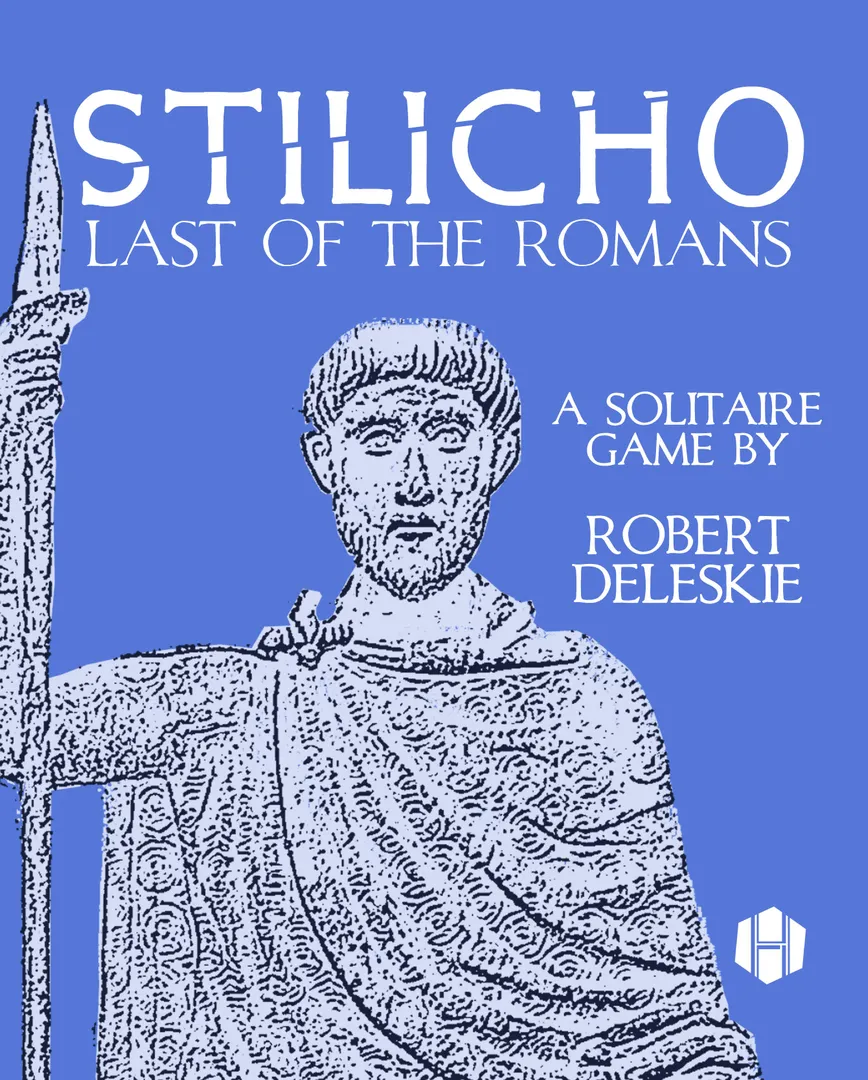
Stilicho: Last of the Romans
- 1 jugador
- 90 min
- Complejidad 2,4/5
- 2020
2018
Ayuda con las reglas de The Wars of Marcus Aurelius
Explicaciones claras de turnos, efectos de cartas y situaciones dudosas, con referencias a fuentes oficiales e historial de preguntas guardado.
Para 1 jugador
¿Qué quieres saber?
Las respuestas salen del reglamento oficial, con la página para comprobarlo.
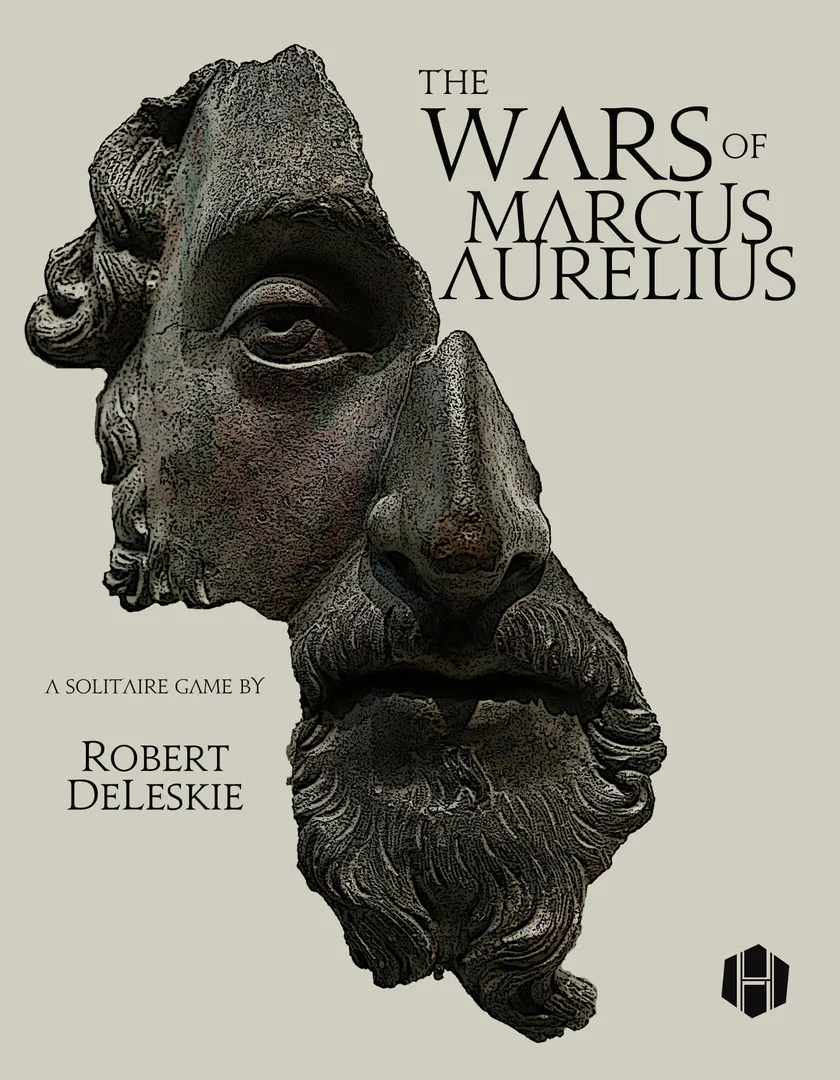
The Wars of Marcus Aurelius es un juego de mesa publicado en 2018 para 1 jugador, con partidas de 30 a 90 minutos y a partir de 12 años. Fue diseñado por Robert DeLeskie y sus mecánicas principales son Dice Rolling, Point to Point Movement y Simulation.


En inglés
A solitaire, CDG-flavoured, strategic-level game set during the Marcomannic Wars, 170CE-180CE. Playing from the perspective of Emperor Marcus Aurelius, your goal is to defeat and pacify three different tribes while managing off-map wars and rebellions, troop shortages, limited resources, and the effects of plague—all while maintaining your standing with the Senate and people of Rome. The Marcomannic Wars were a series of conflicts fought by the Romans against a loose coalition of German and Sarmatian tribes along the Danube from 166CE to 180CE. After crushing a Roman army and killing as many as 20,000 Roman soldiers near Carnuntum, German barbarians ravaged the Danube provinces and besieged Aquileia, marking the first time a hostile force had entered Italy in nearly 300 years. Meanwhile, Sarmatians invaded Dacia and Costoboci descended deep into the Balkans and Greece as far as Athens. It took Rome more than a decade to restore peace, with war and plague extracting a terrible cost of human and material resources. The game covers the war from the disastrous Battle of Carnuntum in 170CE to Marcus Aurelius' death in 180CE. Each turn (lasting one year) is divided into four rounds: early campaign, late campaign, winter and an attrition/house keeping round. At the start of each round, the player draws three barbarian cards and resolves their effects. Barbarian cards activate enemy tribes (restoring their morale or causing them to advance), trigger off-map conflicts, or cause special events such as plague, mutiny, or rebellions. On their turn, the Roman player draws a set number of cards (5 during the early campaign, 3 during the late campaign, and 1 during winter) and plays as many or few as they choose for either actions or events. Actions include: attacking barbarian tribes; building forts; moving legions; and increasing "Imperium Points.” Many cards can also be played for historically based events, such as the "Lightning miracle" depicted on the Column of Marcus Aurelius; and the "Galen" event that mitigates the effects of plague. All cards must be used by the end of the year or discarded, except for one card that can be held over into the next year by use of the "Meditations" deck. Battles are resolved by rolling 1d6 for the Romans and 1d6 for the Barbarians. The Roman role is modified by the number of legions assigned to the front and the combat rating of the leader. Cards can be spend to commit "reserves" to avoid a defeat or eke out a victory. Other cards including "Ambush," "Tactical Superiority" and "Route" can affect the outcome of battles. Enemy die rolls are modified by the morale of the tribe and the terrain, representing the barbarians' knowledge of the lands north of the Danube and Romans' difficulties in maintaining supply lines. Players can lose in a number of ways: if the Marcomanni break through into Italy the game immediately ends. Suddenly death also occurs if the player's Imperium Points (IP) drop into "usurpation." If all three tribes have not been defeated and pacified by 180CE the game also ends in a loss. The player wins by driving barbarians back into their home space and defeating them there. Once a tribe is defeated they must be kept pacified by building forts and keeping troops assigned to garrisons, or they may break their treaty and rejoin the fight (as happened historically). Final victory occurs if all three tribes have surrendered. The player's score takes into account the number of years that have elapsed, their IP level, and the number of off-map conflicts they have resolved.
Según el catálogo, The Wars of Marcus Aurelius admite 1 jugador. Es el número de jugadores indicado por la editorial, así que el juego está diseñado exactamente para esa cantidad de participantes. Las variantes para otros tamaños de grupo, si existen, se describen en el reglamento de tu edición; consúltalo antes de preparar otra configuración.
La duración indicada para The Wars of Marcus Aurelius es de 30 a 90 minutos, la estimación de la editorial para una partida completa. El tiempo real depende del grupo, del número de jugadores y del conocimiento de las reglas: las primeras partidas suelen alargarse y los grupos con experiencia terminan antes. La preparación y la explicación de las reglas no están incluidas.
El catálogo indica The Wars of Marcus Aurelius a partir de 12 años. Es la recomendación de la editorial y refleja la lectura necesaria, la complejidad de las reglas y las piezas pequeñas, no solo el tema. Los más pequeños a menudo pueden jugar con ayuda de un adulto: comprueba la edad recomendada en tu edición y la experiencia de tu grupo.
The Wars of Marcus Aurelius tiene una puntuación de complejidad de 2,4 sobre 5 según los jugadores de BoardGameGeek, lo que lo convierte en un juego algo ligero. La puntuación refleja cuánto conocimiento de reglas, planificación y toma de decisiones exige una partida típica. Los juegos exigentes requieren una explicación inicial más larga, así que conviene usar una guía de preparación.
The Wars of Marcus Aurelius pertenece a estas categorías: Wargame y Ancient. Sus mecánicas principales son Dice Rolling, Point to Point Movement y Simulation. Las categorías describen el tema y la ambientación de un juego, mientras que las mecánicas describen lo que los jugadores hacen realmente en su turno. Cada mecánica lleva a una página del catálogo con juegos similares.
Los autores acreditados de The Wars of Marcus Aurelius son: Robert DeLeskie. Estos créditos proceden de los datos publicados del juego y nombran a las personas responsables de su diseño, no a ilustradores ni editoriales. Las páginas de autor de MeepleRules reúnen otros títulos de los mismos autores, algo útil cuando un juego te gusta y buscas otros parecidos.
El catálogo clasifica The Wars of Marcus Aurelius como juego base. Se juega por sí solo con los componentes de la caja y no requiere ningún otro título. Las expansiones, si existen, añaden contenido o reglas nuevas y aparecen por separado en el catálogo con un enlace a este juego base.