
- Puesto en BGG
- BGG #4209
- Puntuación BGG
- 7,4
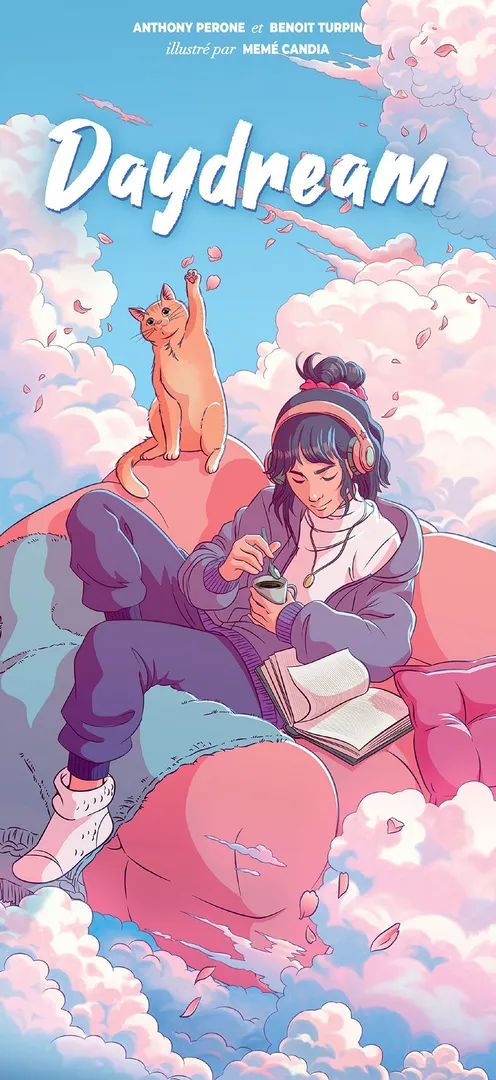
Daydream
- 1–5 jugadores
- 15–30 min
- Complejidad 1,6/5
- 2025
Ayuda con las reglas de Tiny Mini Golf: Mystery Worlds
Explicaciones claras de turnos, efectos de cartas y situaciones dudosas, con referencias a fuentes oficiales e historial de preguntas guardado.
¿Qué quieres saber?
Las respuestas salen del reglamento oficial, con la página para comprobarlo.
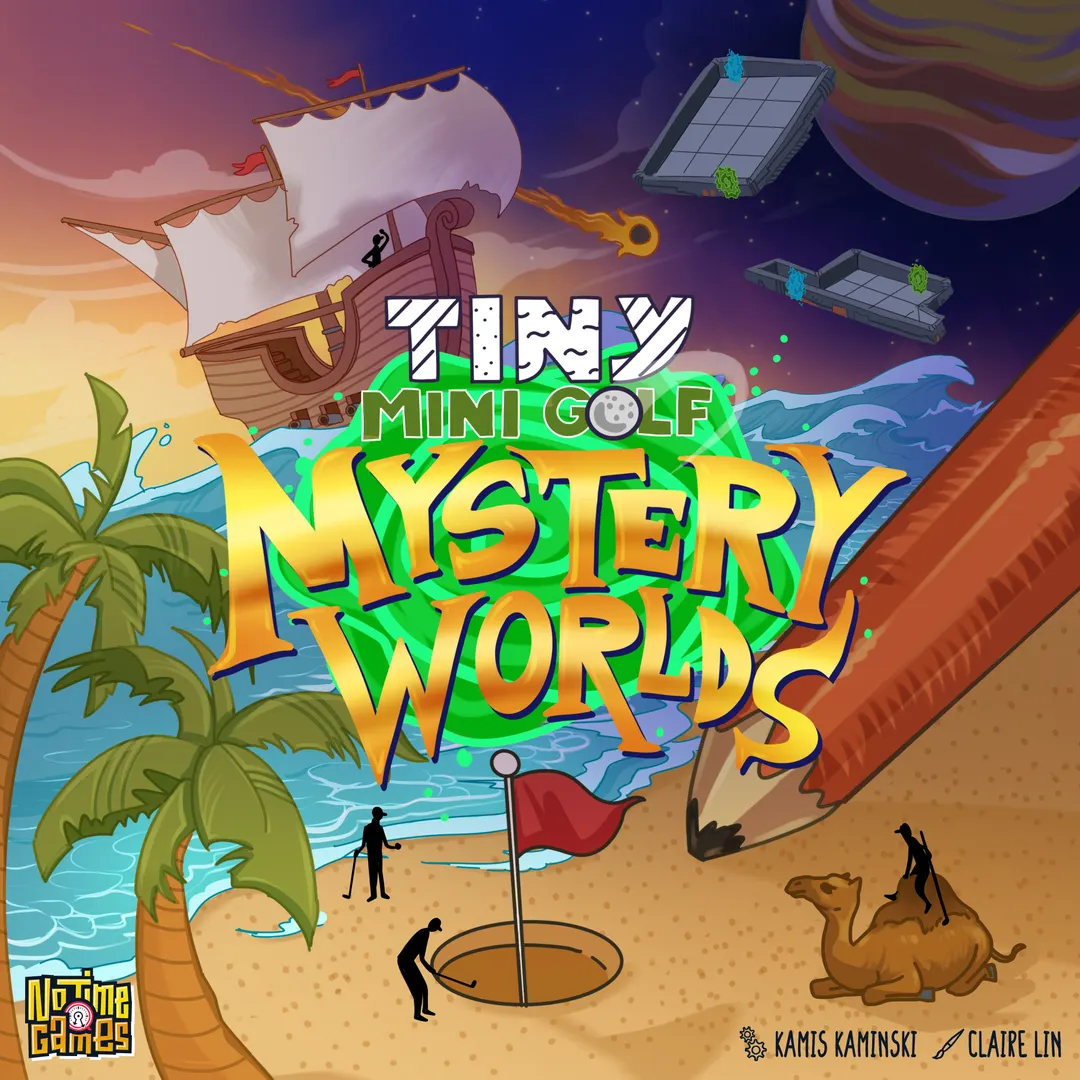
Tiny Mini Golf: Mystery Worlds es una expansión de Tiny Mini Golf publicada en 2026 para 2–99 jugadores, con partidas de 20 a 40 minutos y a partir de 8 años. Fue diseñado por Kamis Kamiński y sus mecánicas principales son Race, Push Your Luck y Dice Rolling.



En inglés
Serenity Greens is no longer the only place to lose a golf ball. Tiny Mini Golf: Mystery Worlds adds three new map sheets to the base game, each built around a simple change to the familiar course geometry. Caravan Trails replaces the usual outer walls with desert sand, Buccaneer Splash spreads the course across two pirate ships connected by narrow planks, and Orbital Warps divides it between floating platforms linked by portals. The core Tiny Mini Golf rules stay the same: players design courses for one another and then try to complete them in as few shots as possible, with stronger shots bringing more risk. The new maps change the routes and decisions rather than adding a heavy new layer of rules — sand can swallow overambitious shots, planks reward straight lines, and portals make distant spaces suddenly adjacent. Mystery Worlds is slightly more advanced than Serenity Greens and is intended for players already familiar with the base game. The maps work with all multiplayer modes from Tiny Mini Golf and are designed to remain compatible with its other expansions. -description from designer
Según el catálogo, Tiny Mini Golf: Mystery Worlds admite de 2 a 99 jugadores. Este intervalo corresponde al número de jugadores indicado por la editorial, así que el juego puede prepararse para cualquier grupo dentro de ese margen. La preparación, algunas reglas y la puntuación pueden variar según el número de jugadores; consulta la configuración exacta en el reglamento de tu edición.
La duración indicada para Tiny Mini Golf: Mystery Worlds es de 20 a 40 minutos, la estimación de la editorial para una partida completa. El tiempo real depende del grupo, del número de jugadores y del conocimiento de las reglas: las primeras partidas suelen alargarse y los grupos con experiencia terminan antes. La preparación y la explicación de las reglas no están incluidas.
El catálogo indica Tiny Mini Golf: Mystery Worlds a partir de 8 años. Es la recomendación de la editorial y refleja la lectura necesaria, la complejidad de las reglas y las piezas pequeñas, no solo el tema. Los más pequeños a menudo pueden jugar con ayuda de un adulto: comprueba la edad recomendada en tu edición y la experiencia de tu grupo.
Tiny Mini Golf: Mystery Worlds pertenece a estas categorías: Territory Building, Print & Play y Dice. Sus mecánicas principales son Race, Push Your Luck y Dice Rolling. Las categorías describen el tema y la ambientación de un juego, mientras que las mecánicas describen lo que los jugadores hacen realmente en su turno. Cada mecánica lleva a una página del catálogo con juegos similares.
Los autores acreditados de Tiny Mini Golf: Mystery Worlds son: Kamis Kamiński. Estos créditos proceden de los datos publicados del juego y nombran a las personas responsables de su diseño, no a ilustradores ni editoriales. Las páginas de autor de MeepleRules reúnen otros títulos de los mismos autores, algo útil cuando un juego te gusta y buscas otros parecidos.
El catálogo clasifica Tiny Mini Golf: Mystery Worlds como expansión de Tiny Mini Golf. Las expansiones añaden contenido, reglas o escenarios al juego base y normalmente no se pueden jugar solas, así que necesitas Tiny Mini Golf para usarla. Comprueba que tu edición de Tiny Mini Golf sea compatible, porque algunas expansiones se revisaron entre ediciones.