- Puntuación BGG
- 7,2
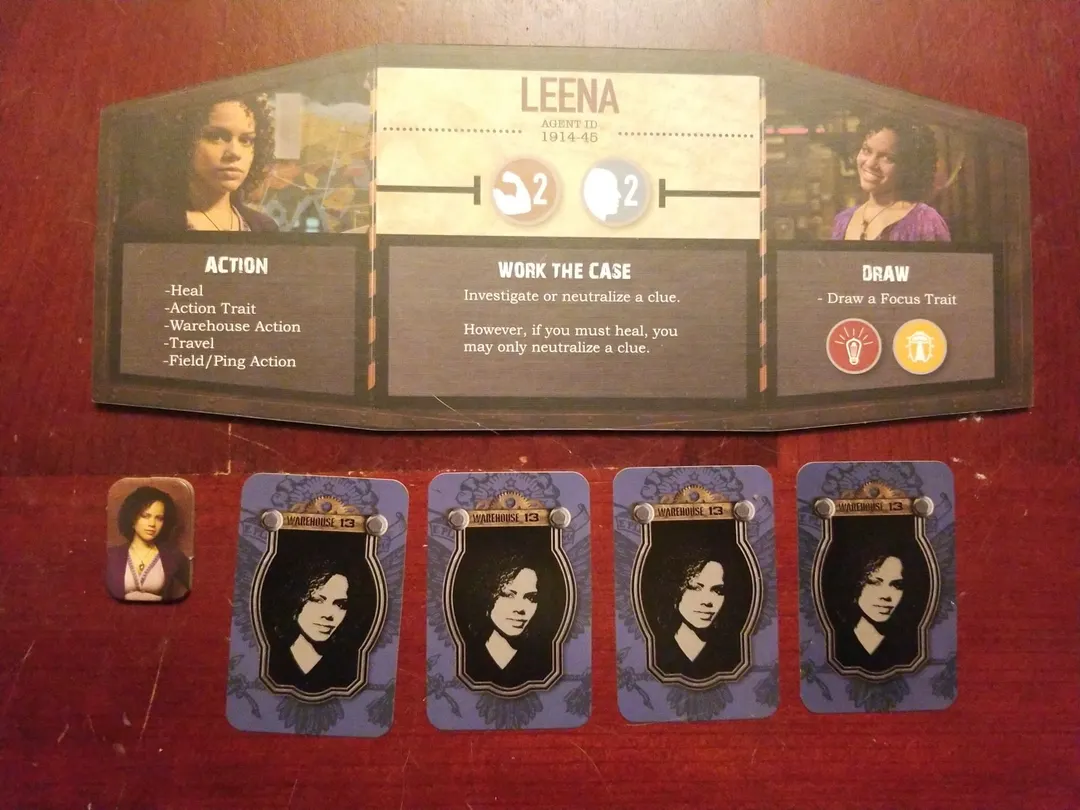
Warehouse 13: Leena
- 2–5 jugadores
- 120–150 min
- Complejidad 2,0/5
- 2019
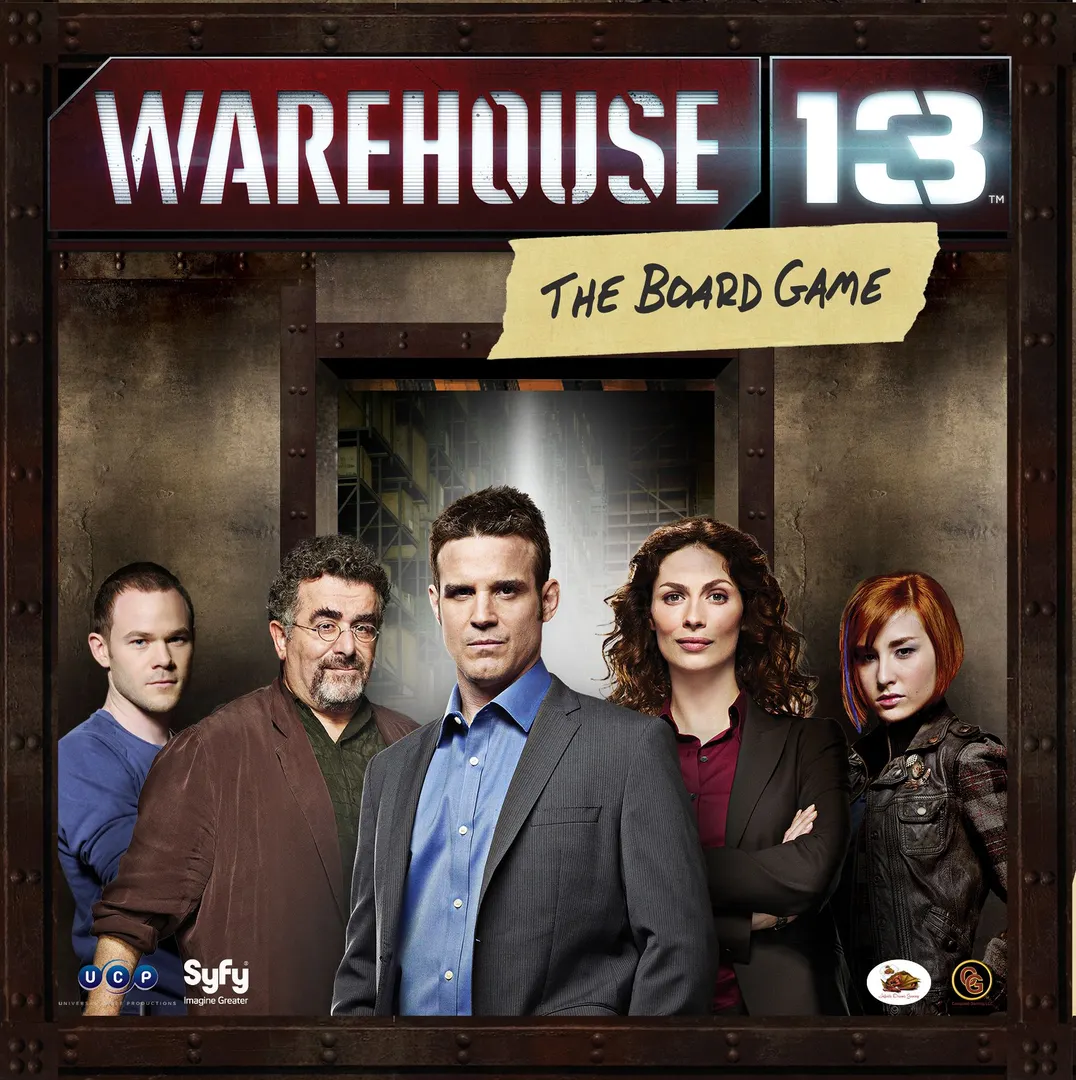
2019
Ayuda con las reglas de Warehouse 13: The Board Game
Explicaciones claras de turnos, efectos de cartas y situaciones dudosas, con referencias a fuentes oficiales e historial de preguntas guardado.
Para 2 jugadores
¿Qué quieres saber?
Las respuestas salen del reglamento oficial, con la página para comprobarlo.
Warehouse 13: The Board Game es un juego de mesa publicado en 2019 para 2–5 jugadores, con partidas de 120 a 150 minutos y a partir de 14 años. Fue diseñado por Russ Rupe, M. Shawn Smith, II y Michael Aldridge y sus mecánicas principales son Variable Player Powers, Hand Management y Dice Rolling.



En inglés
The Warehouse is a massive, top-secret government facility in South Dakota that houses dangerous and fantastical objects. Agents assigned to the Warehouse risk their lives to retrieve these artifacts to keep them away from nefarious individuals who seek to use the artifacts for personal gain. In Warehouse 13: The Board Game, players take on the role of Warehouse Agents who must work together to retrieve these artifacts. But is everyone looking out for the Warehouse's interests, or might one of the Agents be secretly working for the Warehouse's most ruthless adversary? Warehouse 13: The Board Game can be played by three to five players in about two hours. Each game of Warehouse 13: The Board Game is considered a Season, played over a series of Episodes. Each Episode will involve the investigation and retrieval of one artifact. Warehouse Agents must investigate clues, then use those clues to retrieve the artifact. However, one player is the Traitor, who secretly works for the Adversary. For every artifact that is lost, the Adversary becomes more powerful and thereby more difficult to defeat. Each Episode begins with the Ping Phase, in which the artifact's location is revealed and clue dice are rolled. Clues are represented by 13 custom six-sided dice. After the Ping Phase, the Investigation Phase begins. During the Adversary turn, the Adversary will act. Afterwards, each Agent must perform an Action, such as drawing Traits, playing a Trait, performing Warehouse Maintenance, or traveling to the Field. Next, each Agent must attempt to claim a clue die. If an Agent cannot claim a clue die, one must be neutralized, removing it from play for the remainder of that Episode. Finally, each Agent must draw a free Trait. The Investigation Phase repeats until all of the clue dice are either claimed or neutralized, then the Retrieval Phase begins. Each artifact displays symbols that correspond to the symbols on the clue dice. During each round of the Retrieval Phase, the players secretly roll all of their clue dice and each player chooses one to apply to the artifact. The chosen dice are revealed simultaneously. The Adversary will intervene by rolling Goo dice which can neutralize clue dice. If enough clues are applied to match the artifact's symbols, the artifact is retrieved. If the Agents run out of clue dice before rolling enough symbols, the artifact is lost to the Adversary. Play then continues to the next Episode. After three artifacts are retrieved, the Warehouse Agents win. However, if three artifacts are lost, the Finale begins, in which the Agents have one last chance to thwart the Adversary's grand scheme. At the beginning of the game, the Traitor is hidden. The Traitor can impact the game by failing to assist the Warehouse Agents, by failing to claim clues, or by failing to apply clues properly. If the Agents believe they have determined who the Traitor is, they can vote to Bronze that player, which reveals their Loyalty.
Según el catálogo, Warehouse 13: The Board Game admite de 2 a 5 jugadores. Este intervalo corresponde al número de jugadores indicado por la editorial, así que el juego puede prepararse para cualquier grupo dentro de ese margen. La preparación, algunas reglas y la puntuación pueden variar según el número de jugadores; consulta la configuración exacta en el reglamento de tu edición.
La duración indicada para Warehouse 13: The Board Game es de 120 a 150 minutos, la estimación de la editorial para una partida completa. El tiempo real depende del grupo, del número de jugadores y del conocimiento de las reglas: las primeras partidas suelen alargarse y los grupos con experiencia terminan antes. La preparación y la explicación de las reglas no están incluidas.
El catálogo indica Warehouse 13: The Board Game a partir de 14 años. Es la recomendación de la editorial y refleja la lectura necesaria, la complejidad de las reglas y las piezas pequeñas, no solo el tema. Los más pequeños a menudo pueden jugar con ayuda de un adulto: comprueba la edad recomendada en tu edición y la experiencia de tu grupo.
Warehouse 13: The Board Game tiene una puntuación de complejidad de 3,1 sobre 5 según los jugadores de BoardGameGeek, lo que lo convierte en un juego de complejidad media. La puntuación refleja cuánto conocimiento de reglas, planificación y toma de decisiones exige una partida típica. Los juegos exigentes requieren una explicación inicial más larga, así que conviene usar una guía de preparación.
Warehouse 13: The Board Game pertenece a estas categorías: Movies / TV / Radio theme, Deduction y Dice. Sus mecánicas principales son Variable Player Powers, Hand Management y Dice Rolling. Las categorías describen el tema y la ambientación de un juego, mientras que las mecánicas describen lo que los jugadores hacen realmente en su turno. Cada mecánica lleva a una página del catálogo con juegos similares.
Los autores acreditados de Warehouse 13: The Board Game son: Russ Rupe, M. Shawn Smith, II y Michael Aldridge. Estos créditos proceden de los datos publicados del juego y nombran a las personas responsables de su diseño, no a ilustradores ni editoriales. Las páginas de autor de MeepleRules reúnen otros títulos de los mismos autores, algo útil cuando un juego te gusta y buscas otros parecidos.
El catálogo clasifica Warehouse 13: The Board Game como juego base. Se juega por sí solo con los componentes de la caja y no requiere ningún otro título. Las expansiones, si existen, añaden contenido o reglas nuevas y aparecen por separado en el catálogo con un enlace a este juego base.