
- Note BGG
- 8,1
CDG Solo System
- 1 joueur
- Complexité 1,9/5
- 2022
2020
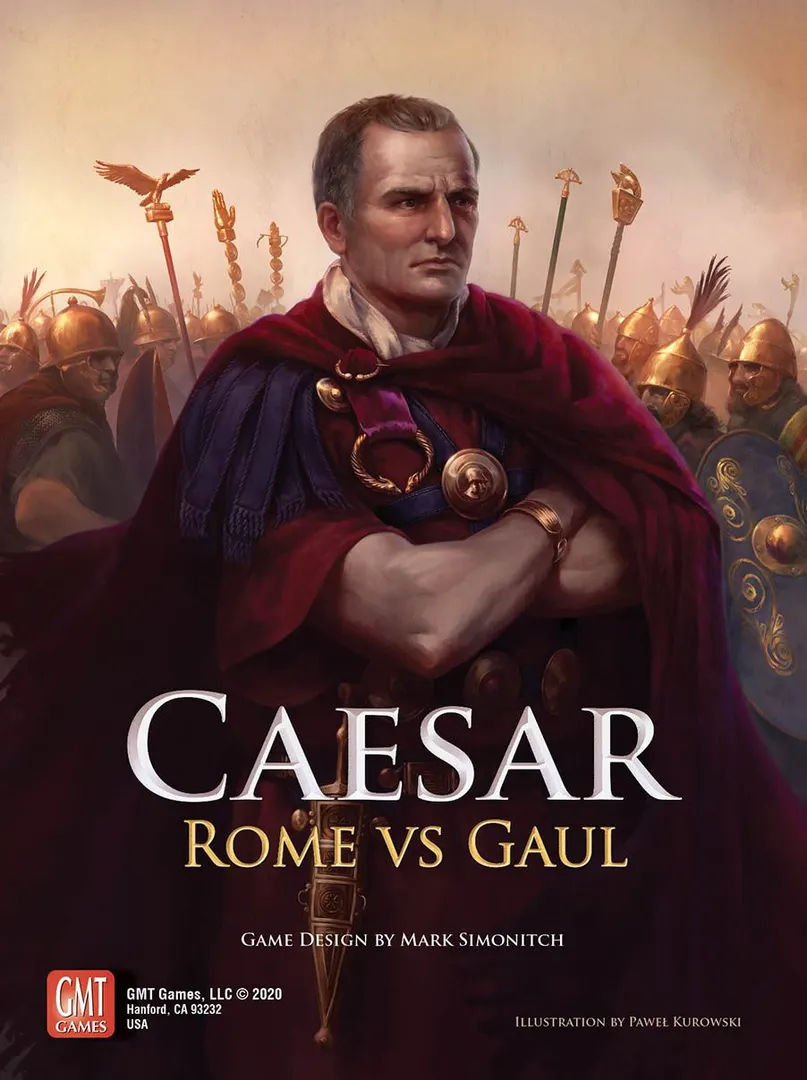
Aide aux règles de Caesar: Rome vs. Gaul
Des explications claires des tours, effets de cartes et situations litigieuses, avec des références aux sources officielles et un historique des questions sauvegardé.
Pour 2 joueurs
Que voulez-vous savoir ?
Les réponses viennent du livret officiel, avec la page à vérifier.
Caesar: Rome vs. Gaul est un jeu de société sorti en 2020 pour 2 joueurs, avec des parties de 120 à 240 minutes et à partir de 12 ans. Il a été conçu par Mark Simonitch et ses principales mécaniques sont Hand Management, Dice Rolling et Point to Point Movement.


En anglais
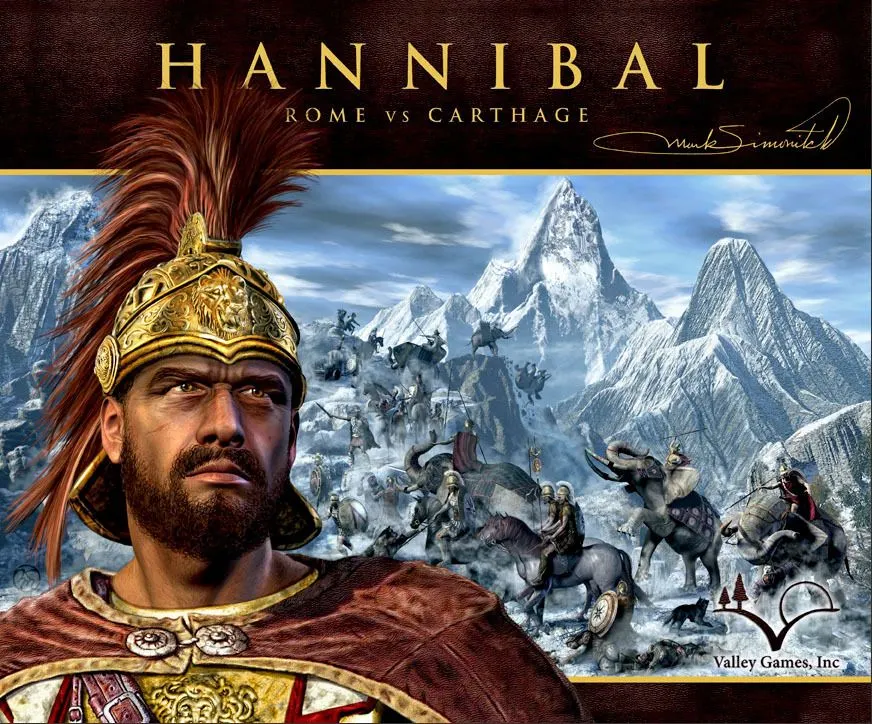
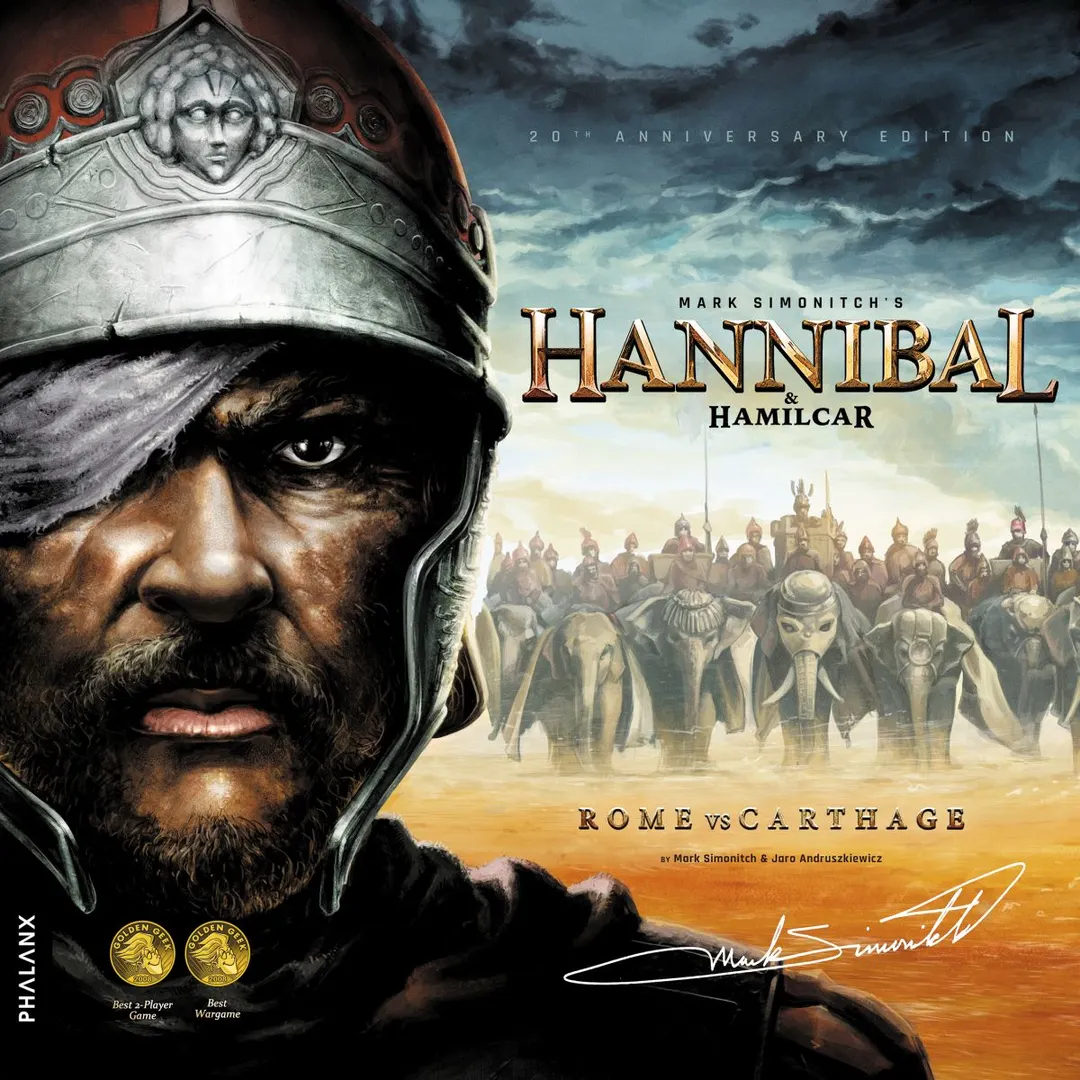
Caesar: Rome vs. Gaul is a fast-playing, easy-to-learn, two-player card-driven game on Caesar’s conquest of Gaul. One player plays Caesar as he attempts to gain wealth and fame in Gallia at the expense of the Gauls. The other player controls all the independent tribes of Gaul as they slowly awake to the peril of Roman conquest. Caesar: Rome vs. Gaul uses many of the core rules and systems used in Hannibal: Rome vs. Carthage. Players are dealt 8 cards at the start of each turn and use their cards to move their armies and place control markers. Players familiar with Hannibal: Rome vs. Carthage will quickly learn this game. The game covers the height of the Gallic Wars, the period between 57 BC and 52 BC when Caesar campaigned back and forth across Gaul putting down one rebellion after another and invading Germania and Britannia. Units are individual Roman Legions or Gallic Tribes. Each turn represents one year. —description from the publisher
Selon le catalogue, Caesar: Rome vs. Gaul se joue à 2 personnes. C’est le nombre de joueurs indiqué par l’éditeur : le jeu est donc conçu pour exactement ce nombre de participants. Les variantes pour d’autres tailles de groupe, s’il en existe, sont décrites dans la règle de votre édition ; consultez-la avant d’installer une autre configuration.
La durée indiquée pour Caesar: Rome vs. Gaul est de 120 à 240 minutes, selon l’estimation de l’éditeur pour une partie complète. La durée réelle dépend du groupe, de l’effectif et de la connaissance des règles : les premières parties sont plus longues, les groupes expérimentés terminent plus vite. Mise en place et explication des règles ne sont pas comprises.
Le catalogue indique Caesar: Rome vs. Gaul à partir de 12 ans. C’est la recommandation de l’éditeur ; elle tient compte de la lecture nécessaire, de la complexité des règles et des petits composants, pas seulement du thème. Les plus jeunes peuvent souvent participer avec l’aide d’un adulte : vérifiez l’âge indiqué sur votre édition et tenez compte de l’expérience de votre groupe.
Caesar: Rome vs. Gaul obtient une note de complexité de 3,3 sur 5 auprès des joueurs de BoardGameGeek, ce qui en fait un jeu de complexité moyenne. Cette note reflète la quantité de règles, de planification et de décisions qu’exige une partie typique. Prévoyez une explication plus longue pour les jeux exigeants et utilisez un guide de préparation avant la soirée.
Caesar: Rome vs. Gaul appartient à ces catégories : Wargame et Ancient. Ses principales mécaniques sont Hand Management, Dice Rolling et Point to Point Movement. Les catégories décrivent le thème et l’univers d’un jeu, tandis que les mécaniques décrivent ce que les joueurs font réellement pendant leur tour. Chaque mécanique mène à une page du catalogue avec des jeux similaires.
Les auteurs crédités pour Caesar: Rome vs. Gaul sont : Mark Simonitch. Ces crédits proviennent des données publiées du jeu et désignent les personnes responsables de sa conception, et non les illustrateurs ou les éditeurs. Les pages d’auteurs sur MeepleRules regroupent les autres titres des mêmes auteurs, ce qui est utile lorsqu’un jeu vous plaît et que vous en cherchez de similaires.
Le catalogue présente Caesar: Rome vs. Gaul comme un jeu de base. Il se joue seul avec le matériel contenu dans la boîte et ne nécessite aucun autre titre. Les extensions, s’il en existe, y ajoutent du contenu ou des règles et sont répertoriées séparément dans le catalogue, avec un lien vers ce jeu de base.