
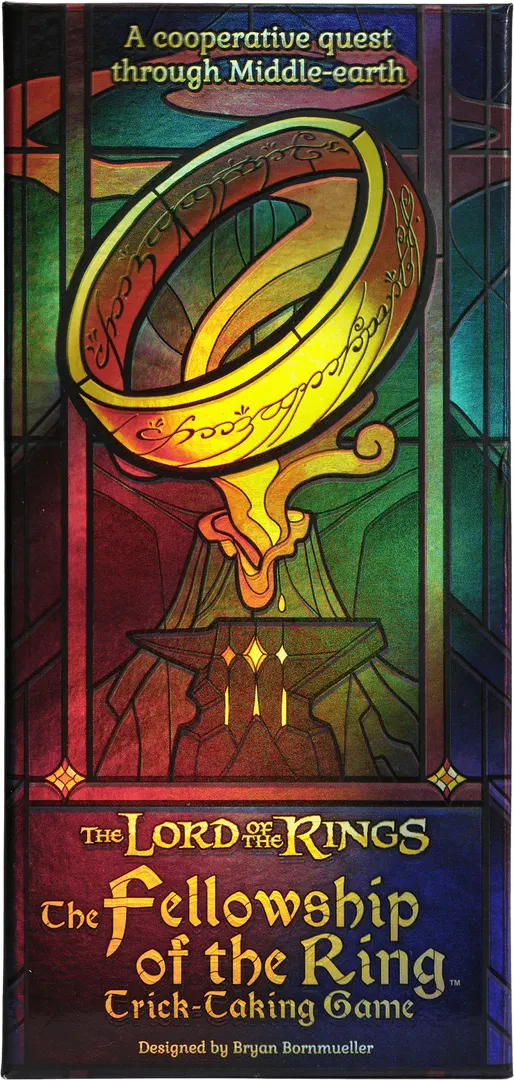
- Rang BGG
- BGG #126
- Note BGG
- 8,0
The Lord of the Rings: The Fellowship of the Ring – Trick-Taking Game
- 1–4 joueurs
- 20 min
- Complexité 1,9/5
- 2024
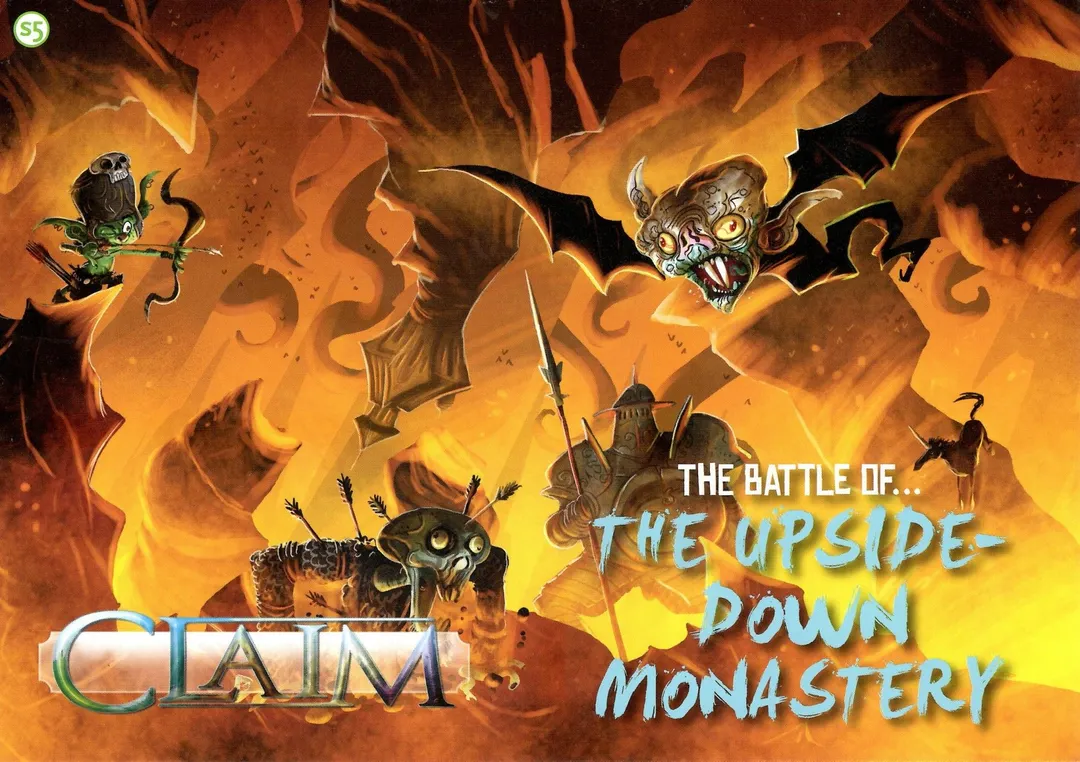
Extension de Claim
Aide aux règles de Claim Scenario Card 5: The Battle of... The Upside-Down Monastery
Des explications claires des tours, effets de cartes et situations litigieuses, avec des références aux sources officielles et un historique des questions sauvegardé.
Que voulez-vous savoir ?
Les réponses viennent du livret officiel, avec la page à vérifier.
Claim Scenario Card 5: The Battle of... The Upside-Down Monastery est une extension de Claim pour 2 joueurs, avec des parties de 25 minutes et à partir de 10 ans. Ses principales mécaniques sont Trick-taking.


En anglais
Narrative from Scenario Card: The Battle of... The Upside-Down Monastery Everything is slightly wrong in this cursed church. First off, everything is upside. And, once you enter, you realize what's good is bad, what's right is wrong, and your cat is now a dog. It is a unforgiving place for a battle, and perhaps that's why only the vile and wicked factions showed up to cross swords. Referenced in the Claim Anniversary Edition rulebook, Claim Scenario Cards are used to tell a story and set up a battle.Sold directly from White Goblin Games, this scenario contains a short narrative along with preselected factions & locations from multiple products within the Claim family, requiring all items listed under "Expands" to use*. A table displaying all such information for this and other Claim Scenario Cards is available for viewing in the Claim Scenario Card List. *Claim Anniversary Edition is NOT required. However, it contains Claim 1 and so it can be used in its place.
Selon le catalogue, Claim Scenario Card 5: The Battle of... The Upside-Down Monastery se joue à 2 personnes. C’est le nombre de joueurs indiqué par l’éditeur : le jeu est donc conçu pour exactement ce nombre de participants. Les variantes pour d’autres tailles de groupe, s’il en existe, sont décrites dans la règle de votre édition ; consultez-la avant d’installer une autre configuration.
La durée indiquée pour Claim Scenario Card 5: The Battle of... The Upside-Down Monastery est de 25 minutes, selon l’estimation de l’éditeur pour une partie complète. La durée réelle dépend du groupe, de l’effectif et de la connaissance des règles : les premières parties sont plus longues, les groupes expérimentés terminent plus vite. Mise en place et explication des règles ne sont pas comprises.
Le catalogue indique Claim Scenario Card 5: The Battle of... The Upside-Down Monastery à partir de 10 ans. C’est la recommandation de l’éditeur ; elle tient compte de la lecture nécessaire, de la complexité des règles et des petits composants, pas seulement du thème. Les plus jeunes peuvent souvent participer avec l’aide d’un adulte : vérifiez l’âge indiqué sur votre édition et tenez compte de l’expérience de votre groupe.
Claim Scenario Card 5: The Battle of... The Upside-Down Monastery appartient à ces catégories : Card Game, Fantasy et Expansion for Base-game. Ses principales mécaniques sont Trick-taking. Les catégories décrivent le thème et l’univers d’un jeu, tandis que les mécaniques décrivent ce que les joueurs font réellement pendant leur tour. Chaque mécanique mène à une page du catalogue avec des jeux similaires.
Le catalogue présente Claim Scenario Card 5: The Battle of... The Upside-Down Monastery comme une extension de Claim. Les extensions ajoutent du contenu, des règles ou des scénarios au jeu de base et ne se jouent généralement pas seules : il vous faut donc Claim pour l’utiliser. Vérifiez que votre édition de Claim est compatible, car certaines extensions ont été révisées d’une édition à l’autre.