
- Rang BGG
- BGG #2 480
- Note BGG
- 7,6
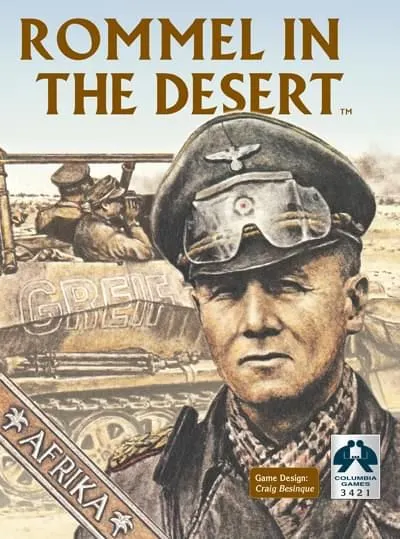
Rommel in the Desert
- 2 joueurs
- 180–480 min
- Complexité 3,4/5
- 1982
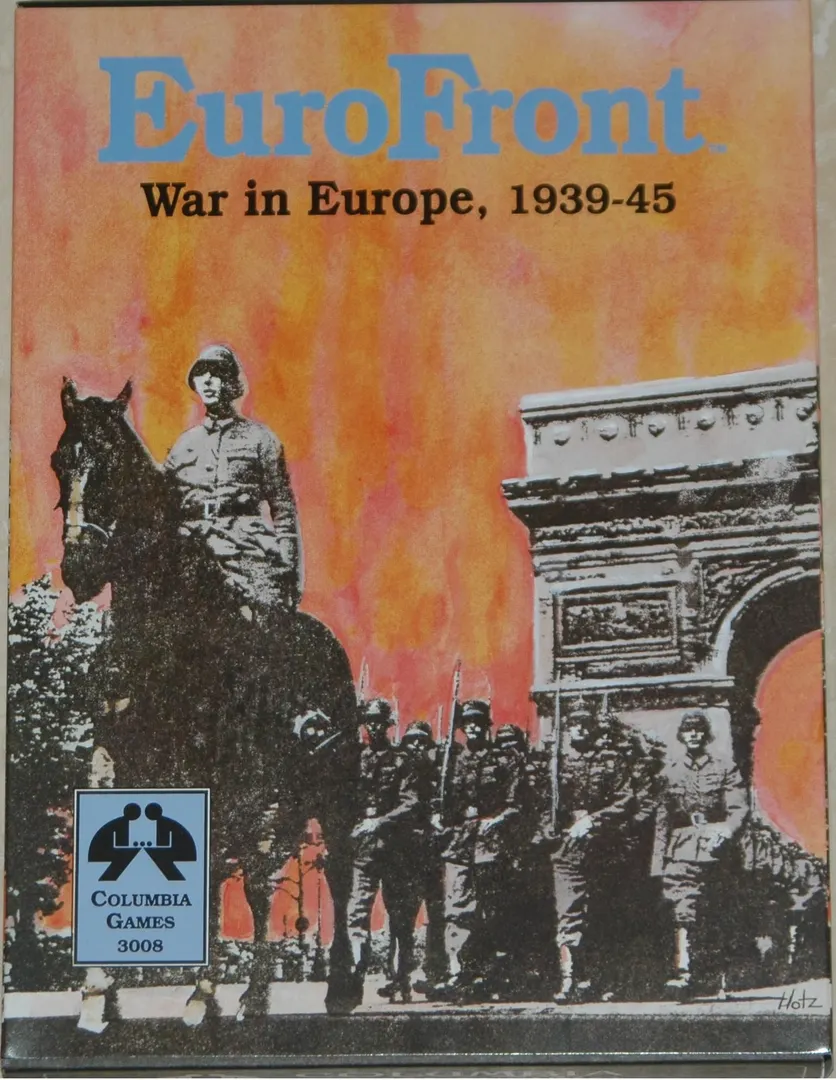
Aide aux règles de EuroFront: War in Europe, 1939-45
Des explications claires des tours, effets de cartes et situations litigieuses, avec des références aux sources officielles et un historique des questions sauvegardé.
Que voulez-vous savoir ?
Les réponses viennent du livret officiel, avec la page à vérifier.
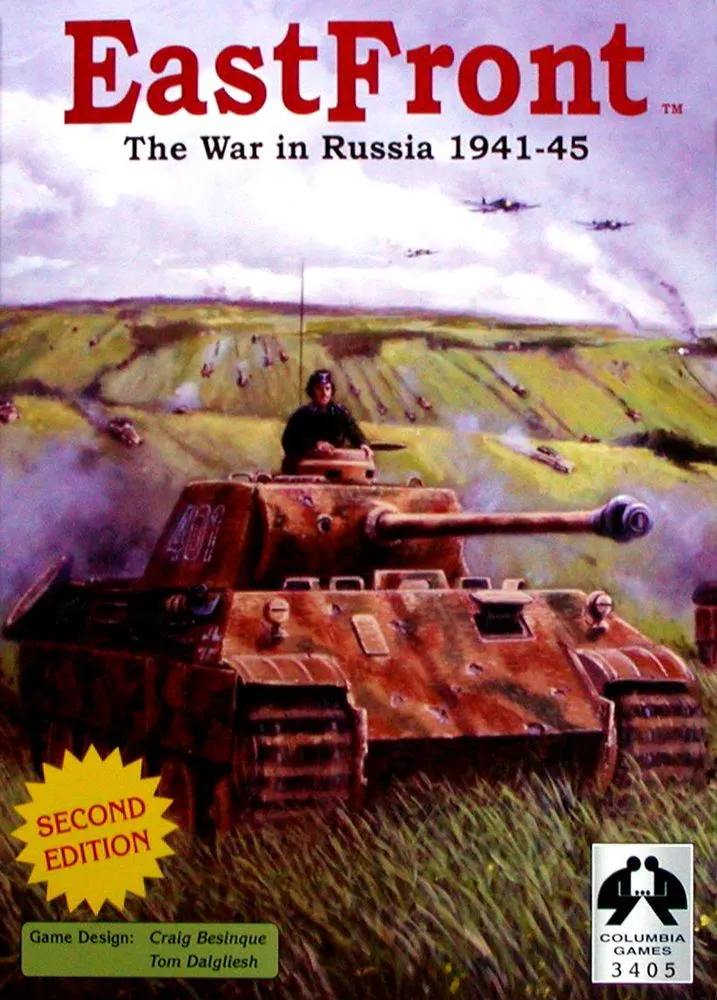
EuroFront: War in Europe, 1939-45 est une extension de EastFront: The War in Russia, 1941-45 sortie en 1995 pour 2 à 6 joueurs, avec des parties de 600 minutes et à partir de 12 ans. Il a été conçu par Craig Besinque et ses principales mécaniques sont Dice Rolling, Secret Unit Deployment et Hexagon Grid.




En anglais
EuroFront is a supplementary rules system that allows all of the Front games (EastFront: The War in Russia, 1941-45, WestFront: The War in Europe, 1943-45, MedFront: War in North Africa 1940-43 and possibly the VolgaFront: East of EastFront 1942-43 expansion) to be combined into one sprawling game that covers the entire European theater of WWII. Rules are provided to link all the games together seamlessly and add units for neutral and minor powers in Europe. Further, rules are provided so that simulate the political history and allow for the possibility that non-historical outcomes occur with respect to how minor powers react to the events of WWII. Part of the EuroFront series. This title uses Columbia Games Block system. While there are variations in the rule sets, all of their games are based on the block system. Basically this means that rather than using the traditional counters to represent units on the map the game uses wooden blocks that stand upright with unit details only shown on one side. This does two things: First it provides an easy way of producing a "fog of war" because your opponent can not tell, save through good memory, what type of unit a specific piece is or its current strength. Second, having the blocks stand on end allows the possibility of rotating a block so the current strength is the top number. Although most war games have some type of mechanism that lets units take steps in their overall strength, counters normally have at most two steps because they only have two sides. Blocks, however, have four so you can easily keep track of twice the amount of detail that many other war games provide. With the use of blocks Columbia has provided a way of adding a good deal of depth to their war games without adding complex layers of bookkeeping, allowing interesting and relatively short sessions of play.
Selon le catalogue, EuroFront: War in Europe, 1939-45 se joue de 2 à 6 personnes. Cette fourchette correspond au nombre de joueurs indiqué par l’éditeur : le jeu s’installe donc pour toute taille de groupe dans cette limite. La mise en place, certaines règles et le décompte peuvent varier selon l’effectif ; vérifiez la configuration exacte dans la règle de votre édition.
La durée indiquée pour EuroFront: War in Europe, 1939-45 est de 600 minutes, selon l’estimation de l’éditeur pour une partie complète. La durée réelle dépend du groupe, de l’effectif et de la connaissance des règles : les premières parties sont plus longues, les groupes expérimentés terminent plus vite. Mise en place et explication des règles ne sont pas comprises.
Le catalogue indique EuroFront: War in Europe, 1939-45 à partir de 12 ans. C’est la recommandation de l’éditeur ; elle tient compte de la lecture nécessaire, de la complexité des règles et des petits composants, pas seulement du thème. Les plus jeunes peuvent souvent participer avec l’aide d’un adulte : vérifiez l’âge indiqué sur votre édition et tenez compte de l’expérience de votre groupe.
EuroFront: War in Europe, 1939-45 obtient une note de complexité de 3,7 sur 5 auprès des joueurs de BoardGameGeek, ce qui en fait un jeu de complexité moyenne. Cette note reflète la quantité de règles, de planification et de décisions qu’exige une partie typique. Prévoyez une explication plus longue pour les jeux exigeants et utilisez un guide de préparation avant la soirée.
EuroFront: War in Europe, 1939-45 appartient à ces catégories : Wargame, World War II et Expansion for Base-game. Ses principales mécaniques sont Dice Rolling, Secret Unit Deployment et Hexagon Grid. Les catégories décrivent le thème et l’univers d’un jeu, tandis que les mécaniques décrivent ce que les joueurs font réellement pendant leur tour. Chaque mécanique mène à une page du catalogue avec des jeux similaires.
Les auteurs crédités pour EuroFront: War in Europe, 1939-45 sont : Craig Besinque. Ces crédits proviennent des données publiées du jeu et désignent les personnes responsables de sa conception, et non les illustrateurs ou les éditeurs. Les pages d’auteurs sur MeepleRules regroupent les autres titres des mêmes auteurs, ce qui est utile lorsqu’un jeu vous plaît et que vous en cherchez de similaires.
Le catalogue présente EuroFront: War in Europe, 1939-45 comme une extension de EastFront: The War in Russia, 1941-45. Les extensions ajoutent du contenu, des règles ou des scénarios au jeu de base et ne se jouent généralement pas seules : il vous faut donc EastFront: The War in Russia, 1941-45 pour l’utiliser. Vérifiez que votre édition de EastFront: The War in Russia, 1941-45 est compatible, car certaines extensions ont été révisées d’une édition à l’autre.