
- Rang BGG
- BGG #601
- Note BGG
- 7,1
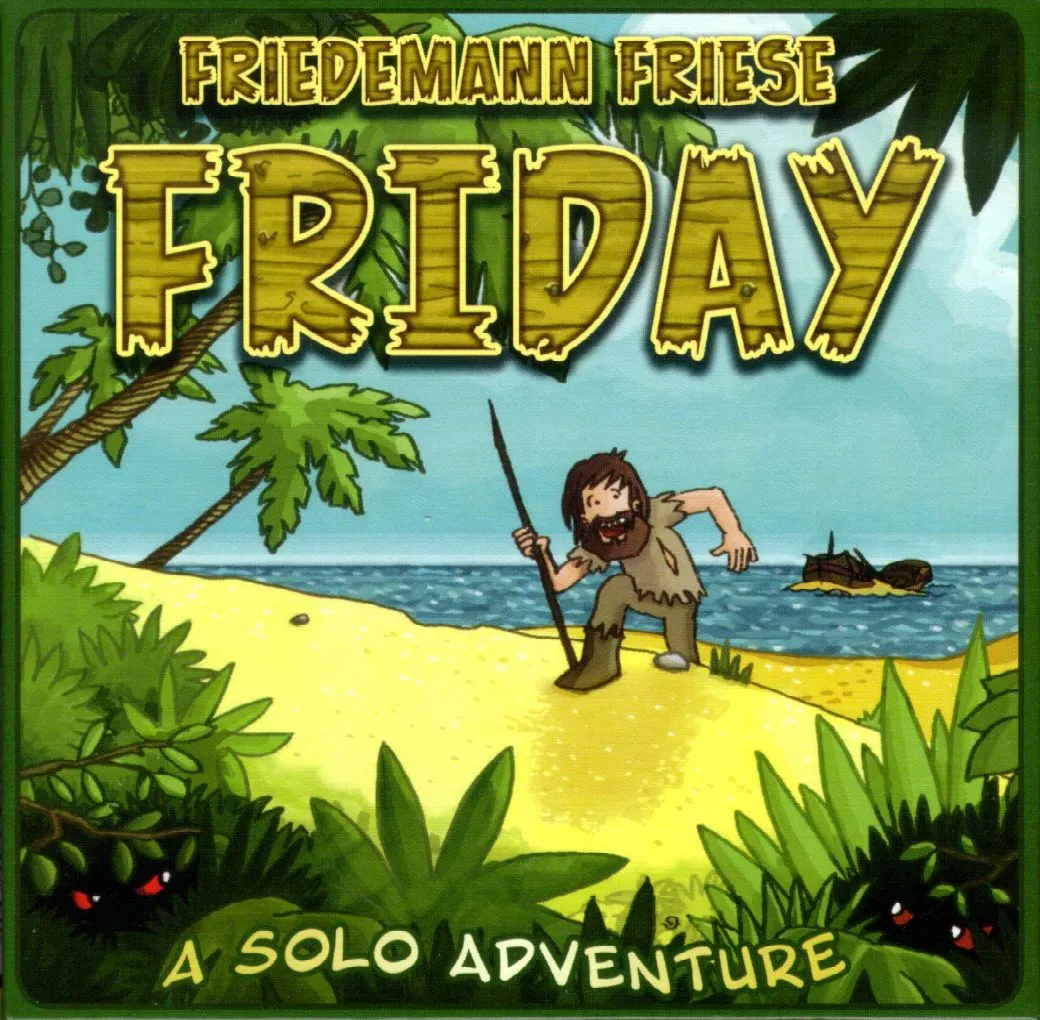
Friday
- 1 joueur
- 25 min
- Complexité 2,2/5
- 2011
2011
Aide aux règles de Lord of the Rings: The Adventure Deck Game
Des explications claires des tours, effets de cartes et situations litigieuses, avec des références aux sources officielles et un historique des questions sauvegardé.
Pour 1 joueur
Que voulez-vous savoir ?
Les réponses viennent du livret officiel, avec la page à vérifier.
Lord of the Rings: The Adventure Deck Game est un jeu de société sorti en 2011 pour 1 joueur, avec des parties de 5 minutes et à partir de 6 ans. Il a été conçu par Michele Esmanech et ses principales mécaniques sont Push Your Luck, Solo / Solitaire Game et Open Drafting.
En anglais
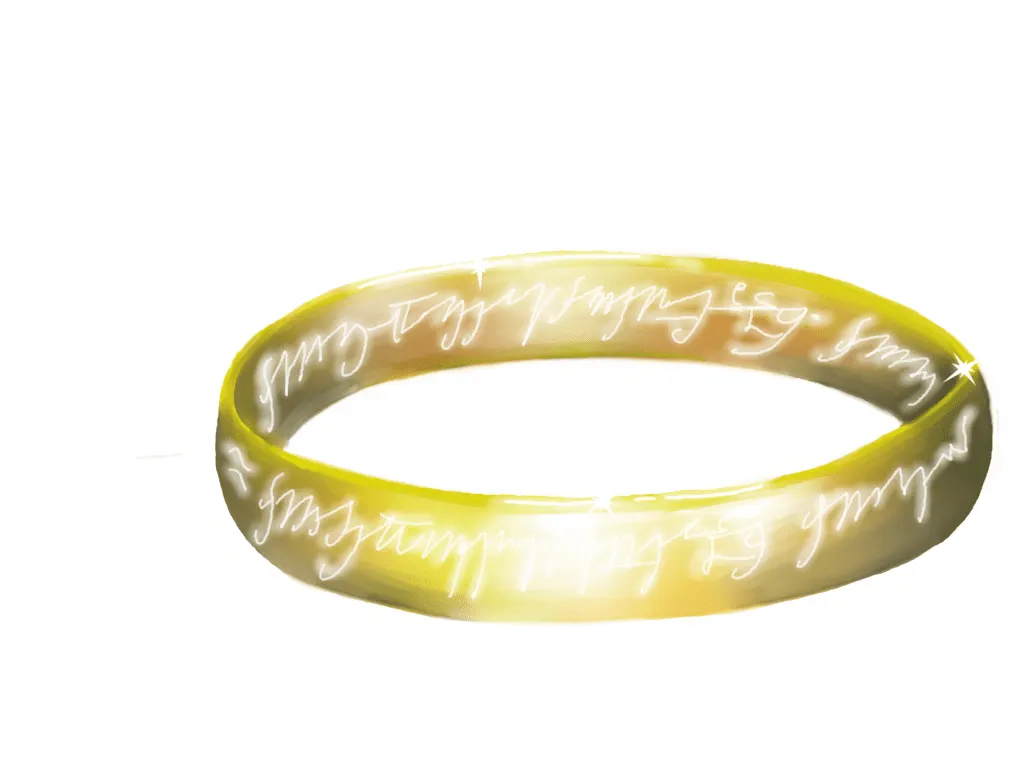
Lord of the Rings: the adventure deck game is a solitaire game, that takes from 5 to 15 minutes to play. In Lord of the Rings: the adventure deck game, the player is Frodo, whose goal is to reach Mt.Doom, drop the One Ring into the volcano's lava, and save Middle Earth. He has to hurry, as Sauron is gaining power, so the journey cannot last more than 25 days. In his journey, Frodo will encounter friends who help him (from Aragorn to Legolas) but he'll also encounter enemies (like Trolls and the Nazgul) that threaten Frodo and make his mission harder. From the rules: "Consider the card as a crossroad: therefore you are given choices on where to travel (up, left and/or right). The Directions show numbers (which range from 1 to 5) and show how many cards need to be drawn in order to proceed with the quest. B. Each card shows an aggression number (ranging from 0 to 3) which represents the attacks you have received while travelling. Sum the aggression numbers of each card you draw to get an Attack value which represents the amount of wounds you have sustained this turn. At any time, if the total attack value is higher than Frodo's wounds, the player immediately loses the game. This means that the Attack value will be the sum of all aggression numbers of cards drawn this turn. Example: if the player chooses directions with a high destination number, which makes him move faster, he will finish the mission within the preset time of 25 days/turns, but will also increase the chances of getting damaged and killed. At any time, but before drawing cards from the quest deck, you can use the RING which will turn Frodo invisible and, therefore, immune to all the attacks received (consider all aggression numbers as 0). BUT doing so will also bring the Witch King closer to you. Any time you use the Ring, put a token on the the Witch King Track on the play mat. The first time you use the ring, put a token on the Ring symbol on the play mat: this is a reminder that the ring has been used at least once. While drawing or before drawing (depending on the item), the player will have the chance to use one item he is equipped with. The player can use only one item per turn. C. Card Effects can be good or bad, depending on the card. A player resolves the card effects ONLY of the last drawn card of the turn. Unless otherwise stated, the ONLY thing the player should take into account while drawing the cards is the aggression number. Example: if the player chooses a direction with a destination number 3, he draws (one at a time) 3 cards, adding the Aggression Numbers of all 3 cards and resolving ONLY the effects of the 3rd card." Each turn, the player will have many choices to make, from deciding if he wants to rest (and recover his wounds), to which direction to go; from using potions or other items (like the Ring), to going looking for Aragorn to help him against the Witch King. Main game mechanic: push your luck.
Selon le catalogue, Lord of the Rings: The Adventure Deck Game se joue à 1 personne. C’est le nombre de joueurs indiqué par l’éditeur : le jeu est donc conçu pour exactement ce nombre de participants. Les variantes pour d’autres tailles de groupe, s’il en existe, sont décrites dans la règle de votre édition ; consultez-la avant d’installer une autre configuration.
La durée indiquée pour Lord of the Rings: The Adventure Deck Game est de 5 minutes, selon l’estimation de l’éditeur pour une partie complète. La durée réelle dépend du groupe, de l’effectif et de la connaissance des règles : les premières parties sont plus longues, les groupes expérimentés terminent plus vite. Mise en place et explication des règles ne sont pas comprises.
Le catalogue indique Lord of the Rings: The Adventure Deck Game à partir de 6 ans. C’est la recommandation de l’éditeur ; elle tient compte de la lecture nécessaire, de la complexité des règles et des petits composants, pas seulement du thème. Les plus jeunes peuvent souvent participer avec l’aide d’un adulte : vérifiez l’âge indiqué sur votre édition et tenez compte de l’expérience de votre groupe.
Lord of the Rings: The Adventure Deck Game obtient une note de complexité de 1,6 sur 5 auprès des joueurs de BoardGameGeek, ce qui en fait un jeu léger. Cette note reflète la quantité de règles, de planification et de décisions qu’exige une partie typique. Prévoyez une explication plus longue pour les jeux exigeants et utilisez un guide de préparation avant la soirée.
Lord of the Rings: The Adventure Deck Game appartient à ces catégories : Card Game, Fantasy et Print & Play. Ses principales mécaniques sont Push Your Luck, Solo / Solitaire Game et Open Drafting. Les catégories décrivent le thème et l’univers d’un jeu, tandis que les mécaniques décrivent ce que les joueurs font réellement pendant leur tour. Chaque mécanique mène à une page du catalogue avec des jeux similaires.
Les auteurs crédités pour Lord of the Rings: The Adventure Deck Game sont : Michele Esmanech. Ces crédits proviennent des données publiées du jeu et désignent les personnes responsables de sa conception, et non les illustrateurs ou les éditeurs. Les pages d’auteurs sur MeepleRules regroupent les autres titres des mêmes auteurs, ce qui est utile lorsqu’un jeu vous plaît et que vous en cherchez de similaires.
Le catalogue présente Lord of the Rings: The Adventure Deck Game comme un jeu de base. Il se joue seul avec le matériel contenu dans la boîte et ne nécessite aucun autre titre. Les extensions, s’il en existe, y ajoutent du contenu ou des règles et sont répertoriées séparément dans le catalogue, avec un lien vers ce jeu de base.