
- Posizione BGG
- BGG #185
- Valutazione BGG
- 7,8
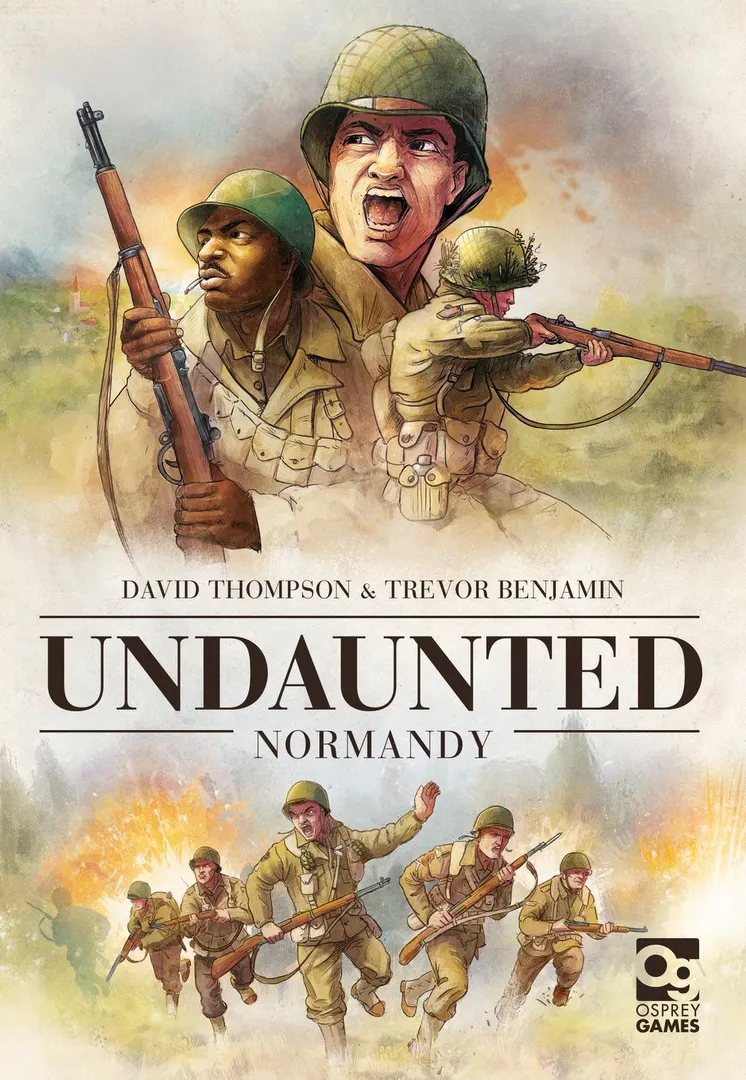
Undaunted: Normandy
- 2 giocatori
- 45–60 min
- Complessità 2,3/5
- 2019
Aiuto con le regole di ATS Warfighting Guide #2
Spiegazioni chiare di turni, effetti delle carte e situazioni dubbie, con riferimenti alle fonti ufficiali e cronologia delle domande salvata.
Cosa vuoi sapere?
Le risposte vengono dal regolamento ufficiale, con la pagina da verificare.
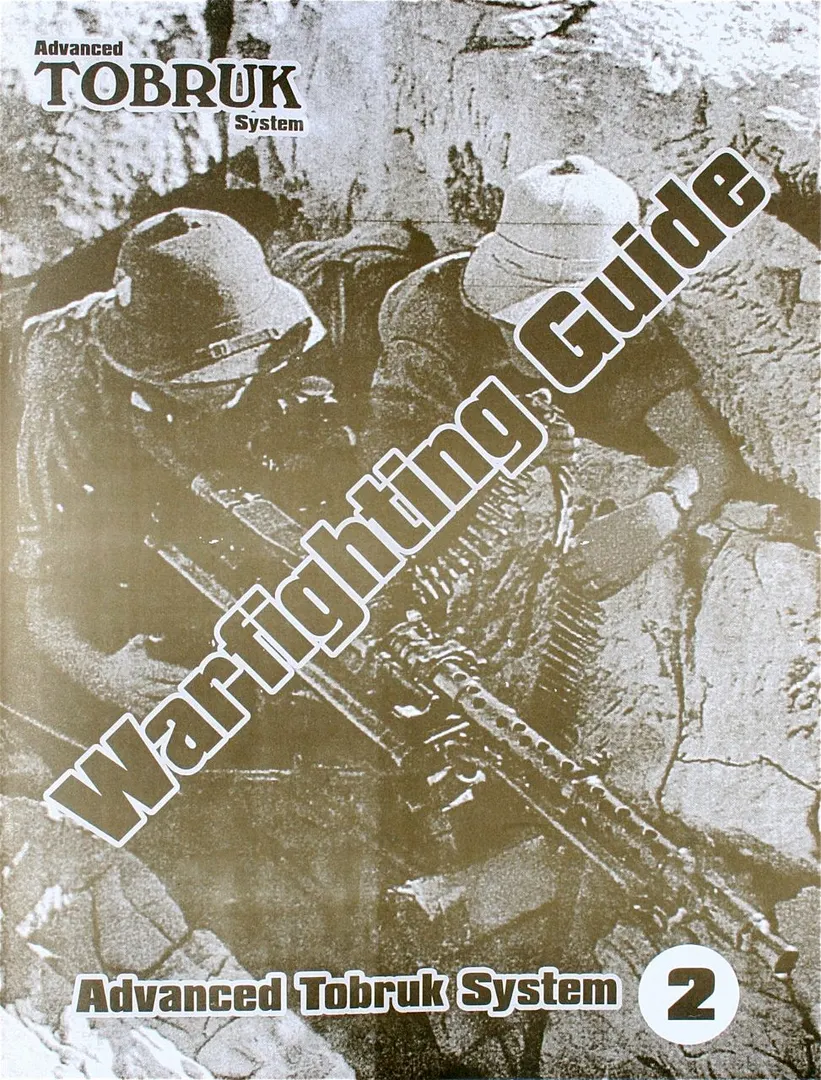
ATS Warfighting Guide #2 è un’espansione di Advanced Tobruk: Tank Battles in North Africa 1940-43 pubblicata nel 2008. È stato ideato da Ray Tapio e George Anderson e le sue meccaniche principali sono Dice Rolling e Simulation.








In inglese
From the Publisher's website: ATS Warfighting Guide #2 contains 52 pages of ATS material aimed at making the ATSer a system expert. Included in the new issue is George Anderson's ATS Robot, a card-based system for playing ANY ATS scenario solo with a random generation of actions by the 'enemy'. The ATS Robot includes a set of over 50 cards (provided on cardstock for you to trim out) for use with George's solo rules. Also included in the issue are the first installment of Drew Dorman's 'ATS Set Ups', suggested set up data for all six D-Day Ranger scenarios. You can set up either side Drew's way, then use the ATS Robot to hammer it out. Alone. Just like you like it! What's more, Drew uses the D-Day Rangers NEW Edition scenarios, which also happen to be included in the issue as a FREE bonus! The FREE bonus approach continues...with a strip of funky new ATS leader counters bundled with EACH copy of ATS Warfighting Guide #2. So this is it. And this is NO DRILL. The expert ATSer needs his warfighting, and he (or she) needs it now.
ATS Warfighting Guide #2 appartiene a queste categorie: Wargame, World War II e Expansion for Base-game. Le sue meccaniche principali sono Dice Rolling e Simulation. Le categorie descrivono il tema e l’ambientazione di un gioco, mentre le meccaniche descrivono ciò che i giocatori fanno davvero nel proprio turno. Ogni meccanica porta a una pagina del catalogo con giochi simili.
Gli autori accreditati di ATS Warfighting Guide #2 sono: Ray Tapio e George Anderson. Questi crediti provengono dai dati pubblicati del gioco e indicano le persone responsabili della sua progettazione, non gli illustratori o gli editori. Le pagine degli autori su MeepleRules raccolgono altri titoli degli stessi autori, utili quando un gioco ti piace e ne cerchi di simili.
Il catalogo classifica ATS Warfighting Guide #2 come espansione di Advanced Tobruk: Tank Battles in North Africa 1940-43. Le espansioni aggiungono contenuti, regole o scenari al gioco base e di solito non si possono giocare da sole, quindi per usarla ti serve Advanced Tobruk: Tank Battles in North Africa 1940-43. Controlla che la tua edizione di Advanced Tobruk: Tank Battles in North Africa 1940-43 sia compatibile, perché alcune espansioni sono state riviste tra un’edizione e l’altra.