- Posizione BGG
- BGG #22.322
- Valutazione BGG
- 6,4
Binomial
- 1–7 giocatori
- 15–25 min
- Complessità 1,0/5
- 2020
1890
Aiuto con le regole di Baccarat
Spiegazioni chiare di turni, effetti delle carte e situazioni dubbie, con riferimenti alle fonti ufficiali e cronologia delle domande salvata.
Cosa vuoi sapere?
Le risposte vengono dal regolamento ufficiale, con la pagina da verificare.
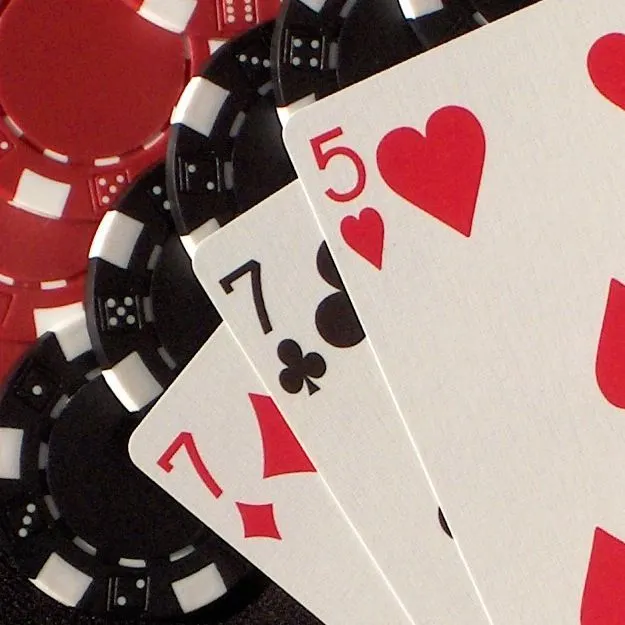
Baccarat è un gioco da tavolo pubblicato nel 1890 per 2–12 giocatori e dai 18 anni in su. Le sue meccaniche principali sono Betting and Bluffing.








In inglese
There are three accepted variants of Baccarat: Baccarat Chemin de Fer, Baccarat Banque and Punto Banco. Typically played in Casinos, several standard decks of 52 cards are shuffled together and dealt from a communal card shoe. All three variants operate on the same principle; 2 cards are dealt in alternating order to a hand designated as the Player, and a hand designated as the Banker. Typically the Player hand is played by the person who bet the most on the Player's hand to win. Depending on the variant being played, certain circumstances allow either participant to draw an extra card then the cards are totaled (2s through 9s are worth their face value while 10s and face cards are worth ten points and aces are worth one point). If the total of a hand's cards exceed 10 points, the tens digit is dropped. The hand with a total closest to 9 wins and neither hand wins in the event of a tie. Punto Banco is the most common variant in North America, but requires no skill and operates solely on chance. Typically played in Casinos, the house always plays the Banker hand (although players may still bet on that hand to win). It is usually played with eight (8) decks of cards shuffled together. Conversely, Baccarat Banque and Baccarat Chemin de Fer (more common in Europe) allow the players to make choices during the game so a player's skill can affect the outcome. In either of these variants a player may choose to play the Banker himself and the other players play against his 'Bank' (supply of money). In Baccarat Chemin de Fer, the Bank passes when the Banker loses a hand. In Baccarat Banque, a player may remain the Banker so long as he still has funds or until all cards in the shoe have been dealt. Baccarat Banque is typically played with 3 decks of cards while Baccarat Chemin de Fer is typically played with 6. In most cases these variants are played completely in French even in English-speaking areas. Since the Banker has a slight edge over the Player in his chances of winning a hand, the house taxes all winning Banker bets when played in a casino (typically 5%).
Secondo il catalogo, Baccarat supporta da 2 a 12 giocatori. L’intervallo corrisponde al numero di giocatori indicato dall’editore, quindi il gioco si può preparare per qualsiasi gruppo entro quei limiti. Preparazione, alcune regole e punteggio possono comunque variare in base al numero di giocatori: controlla la configurazione esatta nel regolamento della tua edizione.
Il catalogo indica Baccarat dai 18 anni in su. È la raccomandazione dell’editore e tiene conto della lettura richiesta, della complessità delle regole e dei componenti piccoli, non solo del tema. I più giovani spesso possono giocare con l’aiuto di un adulto: controlla l’età consigliata sulla tua edizione e l’esperienza del tuo gruppo con i giochi da tavolo.
Baccarat ha un punteggio di complessità di 1,3 su 5 secondo i giocatori di BoardGameGeek, il che lo rende un gioco leggero. Il punteggio riflette quanta conoscenza delle regole, pianificazione e decisioni richiede una partita tipica. I giochi impegnativi richiedono una prima spiegazione più lunga, quindi conviene usare una guida di preparazione.
Baccarat appartiene a queste categorie: Card Game, Number e Math. Le sue meccaniche principali sono Betting and Bluffing. Le categorie descrivono il tema e l’ambientazione di un gioco, mentre le meccaniche descrivono ciò che i giocatori fanno davvero nel proprio turno. Ogni meccanica porta a una pagina del catalogo con giochi simili.
Il catalogo classifica Baccarat come gioco base. Si gioca da solo con i componenti presenti nella scatola e non richiede altri titoli. Le espansioni, se esistono, aggiungono nuovo contenuto o nuove regole e sono elencate separatamente nel catalogo con un collegamento a questo gioco base.
