
- Posizione BGG
- BGG #3339
- Valutazione BGG
- 7,8
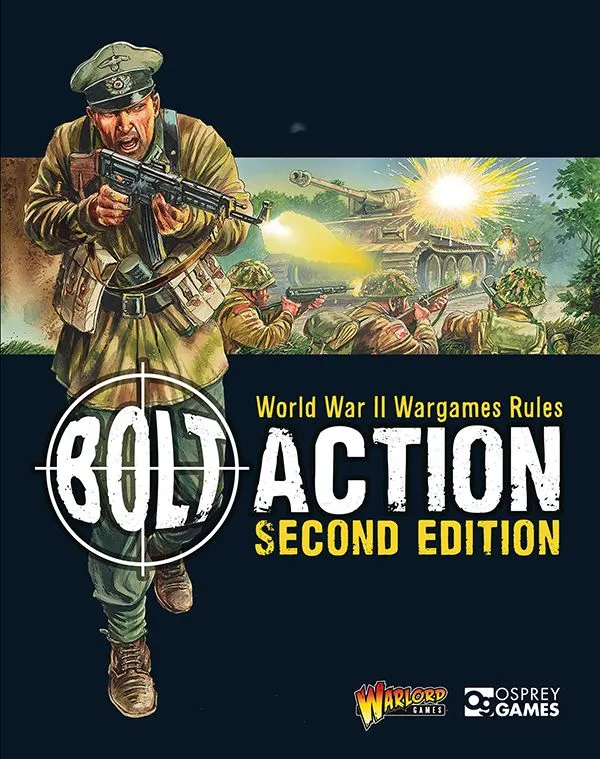
Bolt Action
- 2–6 giocatori
- 120 min
- Complessità 2,7/5
- 2012
2018
Aiuto con le regole di Barbarossa: Kicking in the Door... – Germany Invades the Soviet Union
Spiegazioni chiare di turni, effetti delle carte e situazioni dubbie, con riferimenti alle fonti ufficiali e cronologia delle domande salvata.
Cosa vuoi sapere?
Le risposte vengono dal regolamento ufficiale, con la pagina da verificare.
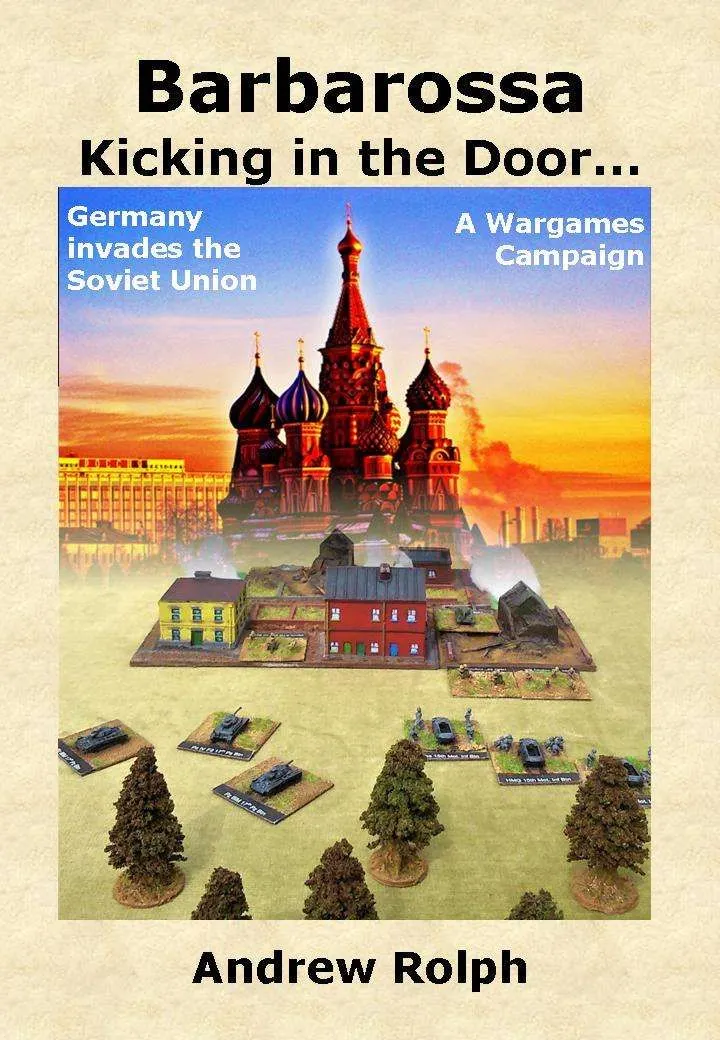
Barbarossa: Kicking in the Door... – Germany Invades the Soviet Union è un’espansione per gioco da tavolo pubblicata nel 2018 per 4–12 giocatori e dai 12 anni in su. È stato ideato da Andrew Rolph e le sue meccaniche principali sono Simulation e Scenario / Mission / Campaign Game.
In inglese
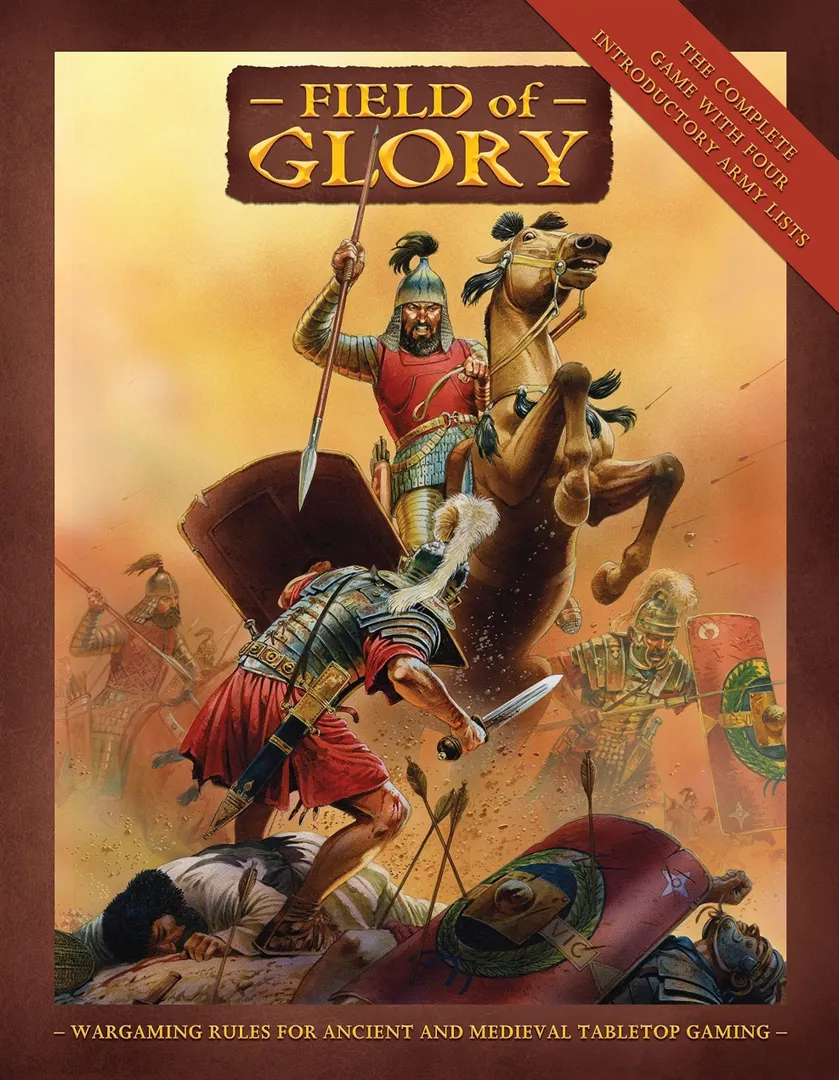
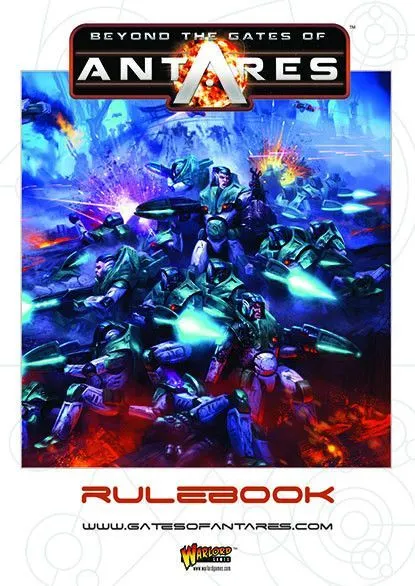
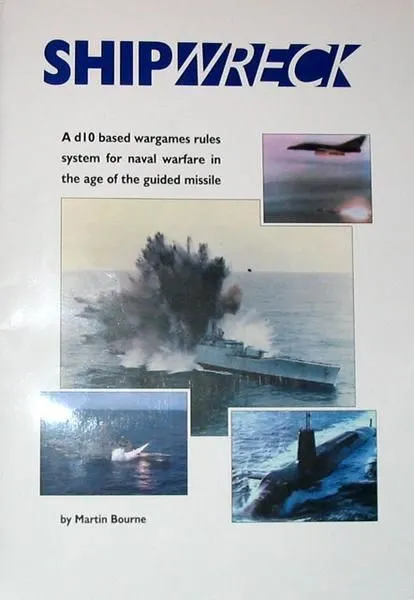
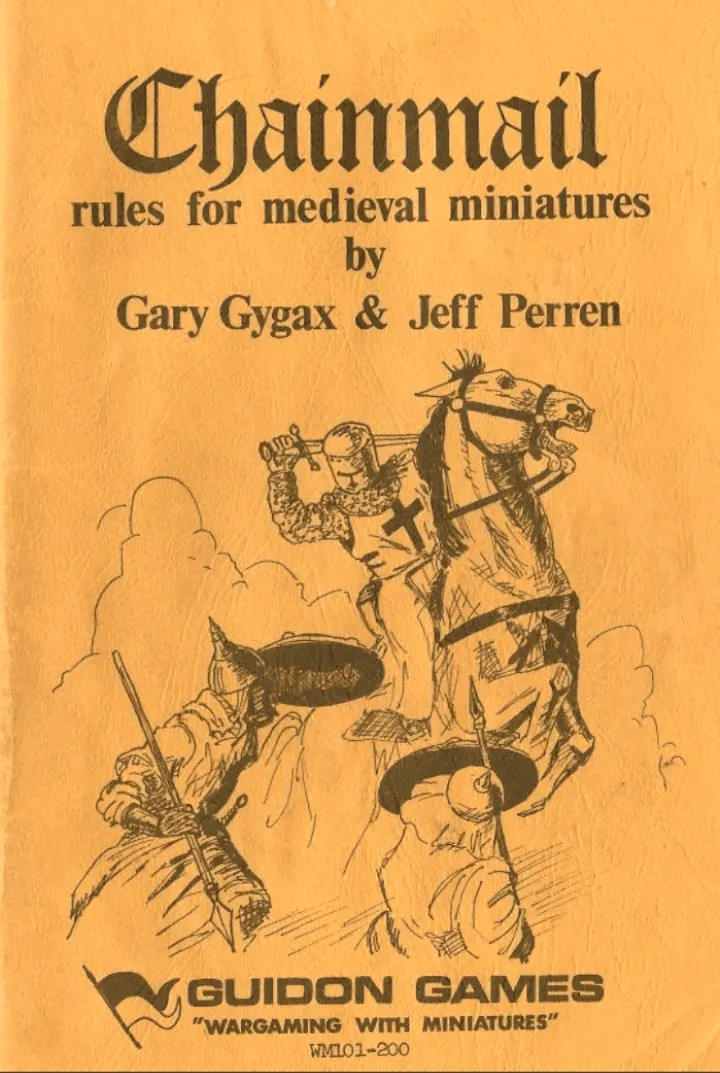
Barbarossa – Kicking in the Door… is a wargames campaign covering the German invasion of the Soviet Union between June and September 1941. It is designed for games in which a stand represents a platoon, such as Blitzkrieg Commander, Command Decision: TOB, A Fistful of Tows, Rapid Fire and others, including those which wargamers may have written themselves. The system generates 150+ hours of gaming spread over 50+ individual battles which are fought over fifteen weekly campaign turns. Bookkeeping is kept to a minimum as players take command of four of the German panzer divisions spearheading the invasion or the Soviet tank and infantry forces opposing them. Straightforward German attacks will be interspersed with Soviet counterattacks, storming city outskirts, holding bridgeheads or trying to break through the fortifications of the Stalin Line. Each type of battle has its own terrain specifications, victory conditions, set up restrictions and likely opposition. Individual battles are reinforced regimental/brigade sized, with some battalions of each division selected to fight whilst others are rested. In addition to managing the individual battles, however, the German player also needs to manage the campaign. Ever increasing Soviet resistance needs to be curtailed by encircling their forces. Such encirclements reduce the availability of ‘mobilisation points’ which the Soviet players use as currency to ‘buy’ greater or better equipped forces and fortifications with which the slow the German advance. A rapid, deep advance, however, will exact a heavy toll in attrition. Supply will also become a problem for the German players, limiting the numbers they can commit to battle and their artillery/air support. The book also includes a brief history of the campaign background information (such as time and groundscale) useful in adapting the system to different sets of rules and some suggestions for additional optional rules a system for generating table layouts for individual battles a comprehensive set of Appendices covering the Tables of Organisation and Equipment to both platoon and company level for all divisions and regiments involved 42 colour terrain squares to assist in creating the terrain for individual battles a worked example of the terrain generation system a Campaign Quick Reference Sheet an example Campaign Turn a complete set of very quick play rules a full colour A4 Campaign Map Barbarossa – Kicking in the Door… is an ideal campaign for a club (with eight of more players for twelve or more three hour sessions) or one to be organised remotely, by e-mail, with shorter options available for fewer players or those with less time available. For those who have purchased the author’s previous book of eastern front scenarios (Grey Steel, Red Storm – available on Wargame Vault) please note that around seven pages of history and background from that book are reproduced largely unchanged in Part One of this volume. —description from the publisher
Secondo il catalogo, Barbarossa: Kicking in the Door... – Germany Invades the Soviet Union supporta da 4 a 12 giocatori. L’intervallo corrisponde al numero di giocatori indicato dall’editore, quindi il gioco si può preparare per qualsiasi gruppo entro quei limiti. Preparazione, alcune regole e punteggio possono comunque variare in base al numero di giocatori: controlla la configurazione esatta nel regolamento della tua edizione.
Il catalogo indica Barbarossa: Kicking in the Door... – Germany Invades the Soviet Union dai 12 anni in su. È la raccomandazione dell’editore e tiene conto della lettura richiesta, della complessità delle regole e dei componenti piccoli, non solo del tema. I più giovani spesso possono giocare con l’aiuto di un adulto: controlla l’età consigliata sulla tua edizione e l’esperienza del tuo gruppo con i giochi da tavolo.
Barbarossa: Kicking in the Door... – Germany Invades the Soviet Union appartiene a queste categorie: Wargame, World War II e Expansion for Base-game. Le sue meccaniche principali sono Simulation e Scenario / Mission / Campaign Game. Le categorie descrivono il tema e l’ambientazione di un gioco, mentre le meccaniche descrivono ciò che i giocatori fanno davvero nel proprio turno. Ogni meccanica porta a una pagina del catalogo con giochi simili.
Gli autori accreditati di Barbarossa: Kicking in the Door... – Germany Invades the Soviet Union sono: Andrew Rolph. Questi crediti provengono dai dati pubblicati del gioco e indicano le persone responsabili della sua progettazione, non gli illustratori o gli editori. Le pagine degli autori su MeepleRules raccolgono altri titoli degli stessi autori, utili quando un gioco ti piace e ne cerchi di simili.
Il catalogo classifica Barbarossa: Kicking in the Door... – Germany Invades the Soviet Union come espansione. Le espansioni aggiungono contenuti, regole o scenari a un gioco base esistente e di solito non si possono giocare da sole. Controlla sulla scatola o nella descrizione dell’editore quale gioco base serve e assicurati che la tua edizione di quel gioco sia compatibile con questa espansione.