
- Valutazione BGG
- 7,2
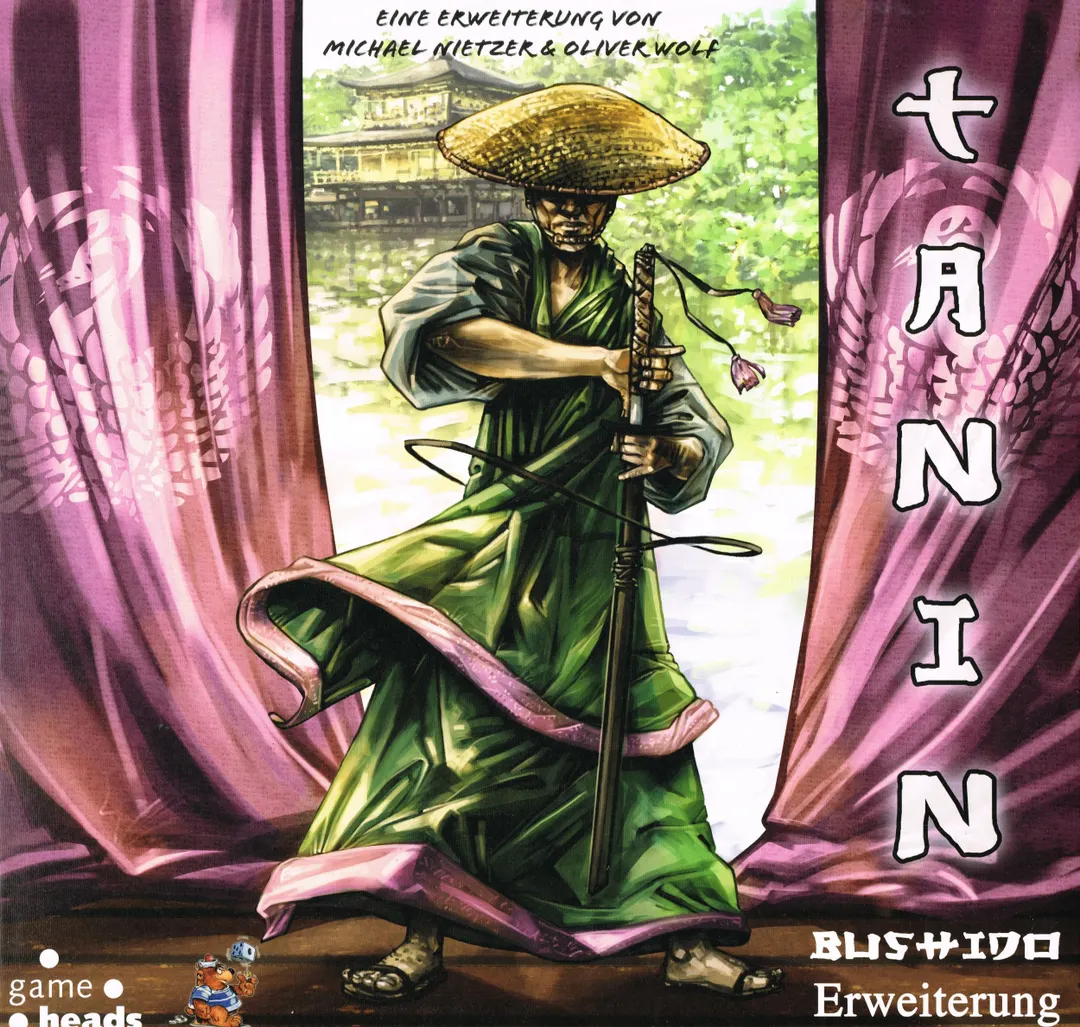
Bushido: Tanin the Stranger
- 3–6 giocatori
- 120 min
- Complessità 3,4/5
- 2009
2008
Aiuto con le regole di Bushido: Der Weg des Kriegers
Spiegazioni chiare di turni, effetti delle carte e situazioni dubbie, con riferimenti alle fonti ufficiali e cronologia delle domande salvata.
Per 3 giocatori
Cosa vuoi sapere?
Le risposte vengono dal regolamento ufficiale, con la pagina da verificare.
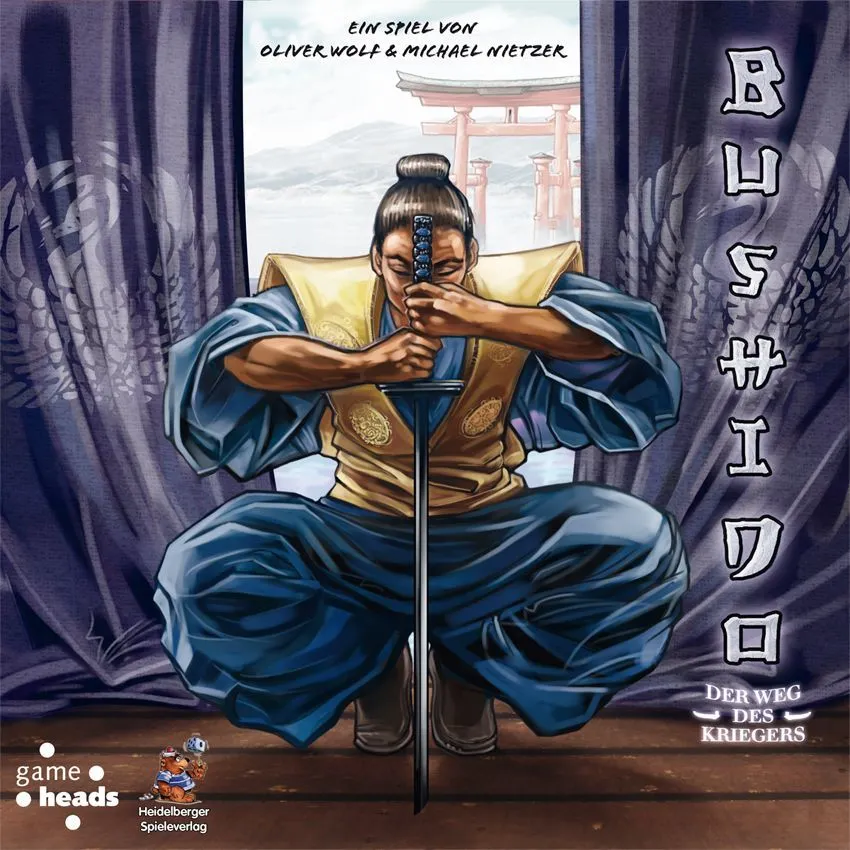
Bushido: Der Weg des Kriegers è un gioco da tavolo pubblicato nel 2008 per 3–5 giocatori, con partite da 90 minuti e dai 12 anni in su. È stato ideato da Michael Nietzer e Oliver Wolf e le sue meccaniche principali sono Variable Player Powers, Hand Management e Simultaneous Action Selection.
In inglese
In Bushido: Der Weg des Kriegers (the subtitle means "Way of the Warrior") players take on the roles of Daimyo, feudal lords in medieval Japan, and compete to become the next shogun of the empire, who gets appointed by the emperor. And this truly has to be an honorable man. Basically this game is all about resource management and conflict, but unlike other games in this category you won't necessarily win, if you conquer the most areas. Your main goal is to earn enough honor, which can be achieved in different ways. There are two kinds of honor. 'Daimyo-Honor' is the victory condition and can be directly gained by holding provinces, and indirectly by transforming 'Samurai-Honor' at a set rate. 'Samurai-Honor' is gained by winning a defensive or offensive battle. It can be transformed into 'Daimyo-Honor' with a tea ceremony. The first Daimyo who earns 50 points of honor wins the game. If this goal is not reached within 12 turns, the Daimyo with the most honor at that point wins the game. What needs special mentioning is the turn mechanism of the game, which is really cleverly-devised: depending on the number of players, different 'offices' are in the game that get assigned to the players. In a 4-player game these offices are: Daimyo: The active player. For clarification: in game terms, every player is a Daimyo, but only the active player acts as Daimyo. The Daimyo, as active player can restock his resources, attack a province and play special tiles. Most importantly, he assigns the other offices to his opponents. Samurai: The general. He will lead the attack in the Daimyo's name. He can earn 'Samurai-honor' with a successful attack. Bushi: the poor guy who is attacked by the Daimyo. He can earn 'Samurai-honor' with a successful defense. Sensei: He gives council to the Daimyo. Tricky position, because his council can do the Daimyo harm or good. He can cancel an attack, spy on other players, use Ronin to destabilize a province, and suggest to the Daimyo how hard to punish his Samurai when he loses a battle. The battles are resolved by a system that depends on the number of troops and a rock-paper-scissors element. The opponents have the possibility to improve their odds by investing some of their resources. The tricky part of the game is that most of your actions depend at least partly on the goodwill of one of your opponents. For instance the Daimyo depends on the Samurai to win, but the Samurai will only do this, if he sees enough gain for himself. This makes the game very interactive, with much discussion and haggling at the table.
Secondo il catalogo, Bushido: Der Weg des Kriegers supporta da 3 a 5 giocatori. L’intervallo corrisponde al numero di giocatori indicato dall’editore, quindi il gioco si può preparare per qualsiasi gruppo entro quei limiti. Preparazione, alcune regole e punteggio possono comunque variare in base al numero di giocatori: controlla la configurazione esatta nel regolamento della tua edizione.
La durata indicata per Bushido: Der Weg des Kriegers è di 90 minuti, la stima dell’editore per una partita completa. La durata effettiva dipende dal gruppo, dal numero di giocatori e dalla conoscenza delle regole: le prime partite durano di più, i gruppi esperti finiscono prima. Preparazione e spiegazione delle regole non sono comprese nella stima.
Il catalogo indica Bushido: Der Weg des Kriegers dai 12 anni in su. È la raccomandazione dell’editore e tiene conto della lettura richiesta, della complessità delle regole e dei componenti piccoli, non solo del tema. I più giovani spesso possono giocare con l’aiuto di un adulto: controlla l’età consigliata sulla tua edizione e l’esperienza del tuo gruppo con i giochi da tavolo.
Bushido: Der Weg des Kriegers ha un punteggio di complessità di 3,6 su 5 secondo i giocatori di BoardGameGeek, il che lo rende un gioco di media complessità. Il punteggio riflette quanta conoscenza delle regole, pianificazione e decisioni richiede una partita tipica. I giochi impegnativi richiedono una prima spiegazione più lunga, quindi conviene usare una guida di preparazione.
Bushido: Der Weg des Kriegers appartiene a queste categorie: Fighting, Bluffing e Medieval. Le sue meccaniche principali sono Variable Player Powers, Hand Management e Simultaneous Action Selection. Le categorie descrivono il tema e l’ambientazione di un gioco, mentre le meccaniche descrivono ciò che i giocatori fanno davvero nel proprio turno. Ogni meccanica porta a una pagina del catalogo con giochi simili.
Gli autori accreditati di Bushido: Der Weg des Kriegers sono: Michael Nietzer e Oliver Wolf. Questi crediti provengono dai dati pubblicati del gioco e indicano le persone responsabili della sua progettazione, non gli illustratori o gli editori. Le pagine degli autori su MeepleRules raccolgono altri titoli degli stessi autori, utili quando un gioco ti piace e ne cerchi di simili.
Il catalogo classifica Bushido: Der Weg des Kriegers come gioco base. Si gioca da solo con i componenti presenti nella scatola e non richiede altri titoli. Le espansioni, se esistono, aggiungono nuovo contenuto o nuove regole e sono elencate separatamente nel catalogo con un collegamento a questo gioco base.