
- Posizione BGG
- BGG #236
- Valutazione BGG
- 8,0
Sekigahara: The Unification of Japan
- 2 giocatori
- 180 min
- Complessità 2,8/5
- 2011
2022
Aiuto con le regole di Charioteer
Spiegazioni chiare di turni, effetti delle carte e situazioni dubbie, con riferimenti alle fonti ufficiali e cronologia delle domande salvata.
Per 2 giocatori
Cosa vuoi sapere?
Le risposte vengono dal regolamento ufficiale, con la pagina da verificare.
Charioteer è un gioco da tavolo pubblicato nel 2022 per 2–6 giocatori, con partite da 60 a 120 minuti e dai 14 anni in su. È stato ideato da Matt Calkins e le sue meccaniche principali sono Hand Management, Race e Set Collection.


In inglese
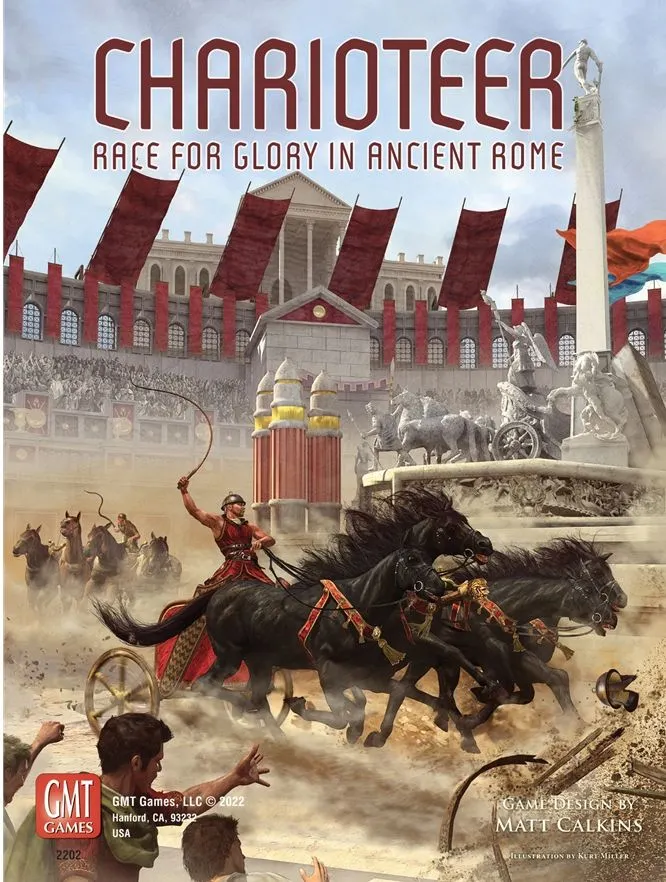
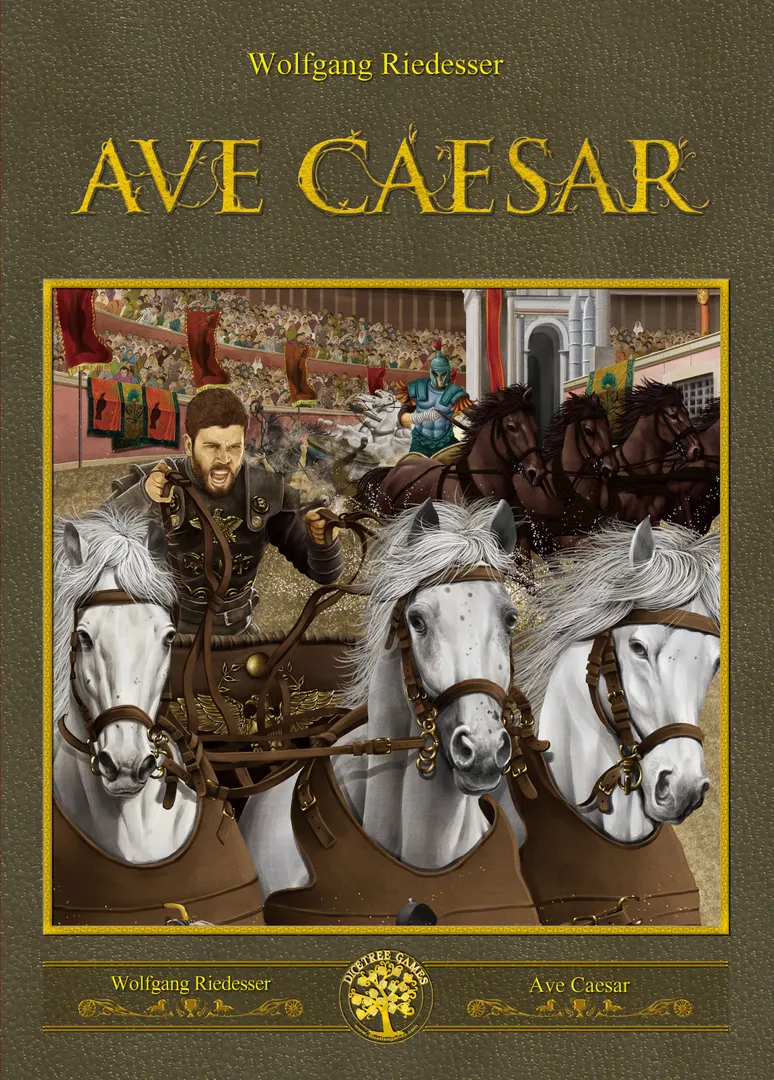
The ground trembles under a thousand angry hoofbeats. Wheels creak and reins pull as racers drive their horses forward in a panic. You are a charioteer in the Circus Maximus, the greatest raceway in the ancient world. A crescendo of noise builds with each lap. Chariots collide, whips crack. The crowd cheers for a surprising breakaway, rumbles as a favorite is damaged and falls behind. From the imperial box, the emperor laughs and shouts. Clouds of dust obscure the bright banners of the four factions. Three hundred thousand fans are on their feet as you turn the final corner. This is not the finish they expected. You lead by a length, and only one rival remains; each throws the last of their energy into one final sprint. Many thousands are despondent, other thousands exultant and joyous. Their shouts become a roar, a long scream, as you surge for the finish line. Another hundred yards will make you a hero. Charioteer is a new game from Sekigahara: The Unification of Japan author Matt Calkins. Like Matt's previous games, Charioteer features simple rules, quick play, and novel mechanisms. Charioteer is a strategic racing game that plays in one hour. Each player controls a chariot in the Circus Maximus of ancient Rome. There's lots of action, and it happens quickly, with simultaneous move selection. Movement is determined by melding sets from a hand of cards. Every card does more than one thing, and it takes multiple matching cards to make a move. Choosing to use a card in one set means deciding not to use it in another. Timing when to make a critical move is as important as knowing what move to make. Moves come in four colors, and each has a special advantage. Play a red move to attack your opponents, yellow to recover from disruption, black to turn a sharp corner, and green to sprint. Each racer begins the game with different abilities, and they improve their skills as the race progresses, leading to big bonuses in their favorite types of moves. Show the emperor the kind of move he prefers, and a racer's skills will increase even faster. Players deploy tokens to give their moves a special bonus. More tokens can be earned by impressing the crowd with large matching card plays. Players may choose to delay using their best sets until they're big enough to qualify for a fan token. Some races will be violent and others calm, depending upon whether the players and emperor behave disruptively. Attacks cause damage, which reduces movement speed. Players who specialize in recovery moves may overcome damage quickly. Others may need to carefully deploy their shields on turns when violence is expected. It's not always clear who's winning the race. Being in front of the pack may not be as important as developing a critical skill, collecting powerful tokens, or keeping damage low. Whip icons allow those who have fallen behind to surge back into competition. Charioteer is easy to learn. It can be played by bright kids as well as adults. Despite its accessibility, it is a game of skill. —description from the publisher
Secondo il catalogo, Charioteer supporta da 2 a 6 giocatori. L’intervallo corrisponde al numero di giocatori indicato dall’editore, quindi il gioco si può preparare per qualsiasi gruppo entro quei limiti. Preparazione, alcune regole e punteggio possono comunque variare in base al numero di giocatori: controlla la configurazione esatta nel regolamento della tua edizione.
La durata indicata per Charioteer è di 60–120 minuti, la stima dell’editore per una partita completa. La durata effettiva dipende dal gruppo, dal numero di giocatori e dalla conoscenza delle regole: le prime partite durano di più, i gruppi esperti finiscono prima. Preparazione e spiegazione delle regole non sono comprese nella stima.
Il catalogo indica Charioteer dai 14 anni in su. È la raccomandazione dell’editore e tiene conto della lettura richiesta, della complessità delle regole e dei componenti piccoli, non solo del tema. I più giovani spesso possono giocare con l’aiuto di un adulto: controlla l’età consigliata sulla tua edizione e l’esperienza del tuo gruppo con i giochi da tavolo.
Charioteer ha un punteggio di complessità di 2,2 su 5 secondo i giocatori di BoardGameGeek, il che lo rende un gioco piuttosto leggero. Il punteggio riflette quanta conoscenza delle regole, pianificazione e decisioni richiede una partita tipica. I giochi impegnativi richiedono una prima spiegazione più lunga, quindi conviene usare una guida di preparazione.
Charioteer appartiene a queste categorie: Ancient e Racing. Le sue meccaniche principali sono Hand Management, Race e Set Collection. Le categorie descrivono il tema e l’ambientazione di un gioco, mentre le meccaniche descrivono ciò che i giocatori fanno davvero nel proprio turno. Ogni meccanica porta a una pagina del catalogo con giochi simili.
Gli autori accreditati di Charioteer sono: Matt Calkins. Questi crediti provengono dai dati pubblicati del gioco e indicano le persone responsabili della sua progettazione, non gli illustratori o gli editori. Le pagine degli autori su MeepleRules raccolgono altri titoli degli stessi autori, utili quando un gioco ti piace e ne cerchi di simili.
Il catalogo classifica Charioteer come gioco base. Si gioca da solo con i componenti presenti nella scatola e non richiede altri titoli. Le espansioni, se esistono, aggiungono nuovo contenuto o nuove regole e sono elencate separatamente nel catalogo con un collegamento a questo gioco base.