
- Valutazione BGG
- 7,1
CO₂: Second Chance – Limited Pack Expansion and Upgrade
- 1–4 giocatori
- 60–120 min
- Complessità 3,8/5
- 2019
2018
Aiuto con le regole di CO₂: Second Chance
Spiegazioni chiare di turni, effetti delle carte e situazioni dubbie, con riferimenti alle fonti ufficiali e cronologia delle domande salvata.
Per 1 giocatore
Cosa vuoi sapere?
Le risposte vengono dal regolamento ufficiale, con la pagina da verificare.
CO₂: Second Chance è un gioco da tavolo pubblicato nel 2018 per 1–4 giocatori, con partite da 60 a 120 minuti e dai 12 anni in su. È stato ideato da Vital Lacerda e le sue meccaniche principali sono Area Majority / Influence, Tile Placement e Cooperative Game.







In inglese
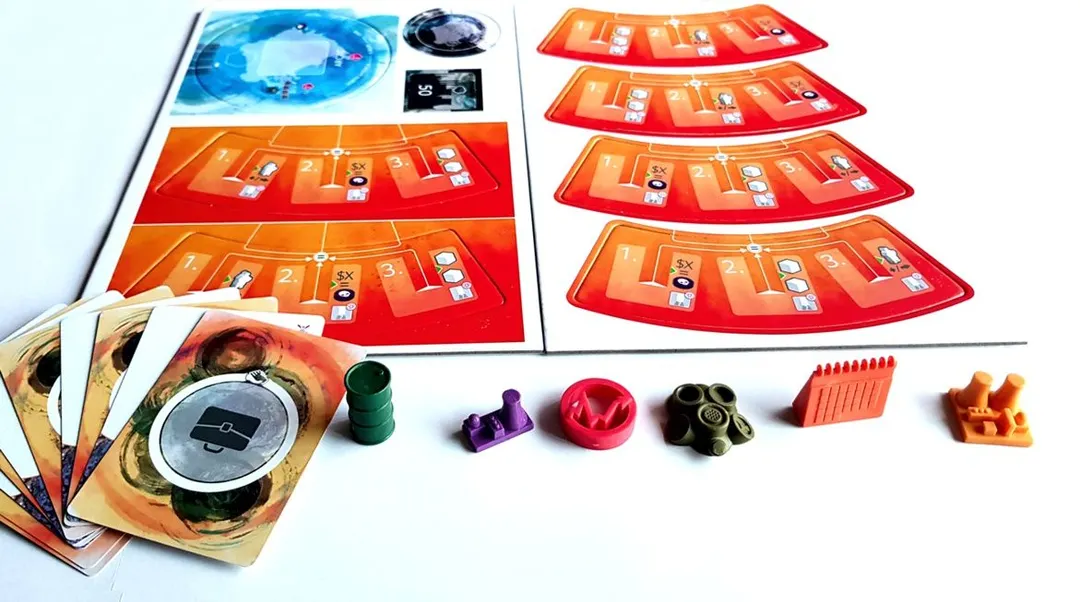
In the 1970s, the governments of the world faced unprecedented demand for energy, and polluting power plants were built everywhere in order to meet that demand. Year after year, the pollution they generate increases, and nobody has done anything to reduce it. Now, the impact of this pollution has become too great, and humanity is starting to realize that we must meet our energy demands through clean sources of energy. Companies with expertise in clean, sustainable energy are called in to propose projects that will provide the required energy without polluting the environment. Regional governments are eager to fund these projects and to invest in their implementation. If the pollution isn't stopped, it's game over for all of us. In the game CO₂, each player is the CEO of an energy company responding to government requests for new, green power plants. The goal is to stop the increase of pollution while meeting the rising demand for sustainable energy — and of course profiting from doing so. You will need enough expertise, money, and resources to build these clean power plants. Energy summits will promote global awareness, and allow companies to share a little of their expertise while learning still more from others. In CO₂, each region starts with a certain number of carbon emissions permits (CEPs) at its disposal. These CEPs are granted by the United Nations, and they must be spent whenever the region needs to install the energy infrastructure for a project or to construct a fossil fuel power plant. CEPs can be bought and sold on a market, and their price fluctuates throughout the game. You will want to try to maintain control over the CEPs. Money, CEPs, green power plants that you've built, UN goals you've completed, company goals you've met, and expertise you've gained all give you victory points (VPs), which represent your company's reputation — and having the best reputation is the goal of the game … in addition to saving the planet, of course. This new totally re-designed edition of CO₂ features a completely new iconography, an entirely new rulebook with lots of 3D pictures for easy comprehension of the rules, more balanced gameplay, a new events deck, improved and streamlined mechanisms, and upgraded wooden components for the power plants instead of the cardboard tokens in a game with a shorter play length. This version also features a co-operative mode of play as well as solo play based on goals.
Secondo il catalogo, CO₂: Second Chance supporta da 1 a 4 giocatori. L’intervallo corrisponde al numero di giocatori indicato dall’editore, quindi il gioco si può preparare per qualsiasi gruppo entro quei limiti. Preparazione, alcune regole e punteggio possono comunque variare in base al numero di giocatori: controlla la configurazione esatta nel regolamento della tua edizione.
La durata indicata per CO₂: Second Chance è di 60–120 minuti, la stima dell’editore per una partita completa. La durata effettiva dipende dal gruppo, dal numero di giocatori e dalla conoscenza delle regole: le prime partite durano di più, i gruppi esperti finiscono prima. Preparazione e spiegazione delle regole non sono comprese nella stima.
Il catalogo indica CO₂: Second Chance dai 12 anni in su. È la raccomandazione dell’editore e tiene conto della lettura richiesta, della complessità delle regole e dei componenti piccoli, non solo del tema. I più giovani spesso possono giocare con l’aiuto di un adulto: controlla l’età consigliata sulla tua edizione e l’esperienza del tuo gruppo con i giochi da tavolo.
CO₂: Second Chance ha un punteggio di complessità di 4,1 su 5 secondo i giocatori di BoardGameGeek, il che lo rende un gioco impegnativo. Il punteggio riflette quanta conoscenza delle regole, pianificazione e decisioni richiede una partita tipica. I giochi impegnativi richiedono una prima spiegazione più lunga, quindi conviene usare una guida di preparazione.
CO₂: Second Chance appartiene a queste categorie: Economic, Industry / Manufacturing e Environmental. Le sue meccaniche principali sono Area Majority / Influence, Tile Placement e Cooperative Game. Le categorie descrivono il tema e l’ambientazione di un gioco, mentre le meccaniche descrivono ciò che i giocatori fanno davvero nel proprio turno. Ogni meccanica porta a una pagina del catalogo con giochi simili.
Gli autori accreditati di CO₂: Second Chance sono: Vital Lacerda. Questi crediti provengono dai dati pubblicati del gioco e indicano le persone responsabili della sua progettazione, non gli illustratori o gli editori. Le pagine degli autori su MeepleRules raccolgono altri titoli degli stessi autori, utili quando un gioco ti piace e ne cerchi di simili.
Il catalogo classifica CO₂: Second Chance come gioco base. Si gioca da solo con i componenti presenti nella scatola e non richiede altri titoli. Le espansioni, se esistono, aggiungono nuovo contenuto o nuove regole e sono elencate separatamente nel catalogo con un collegamento a questo gioco base.