
- Valutazione BGG
- 6,7
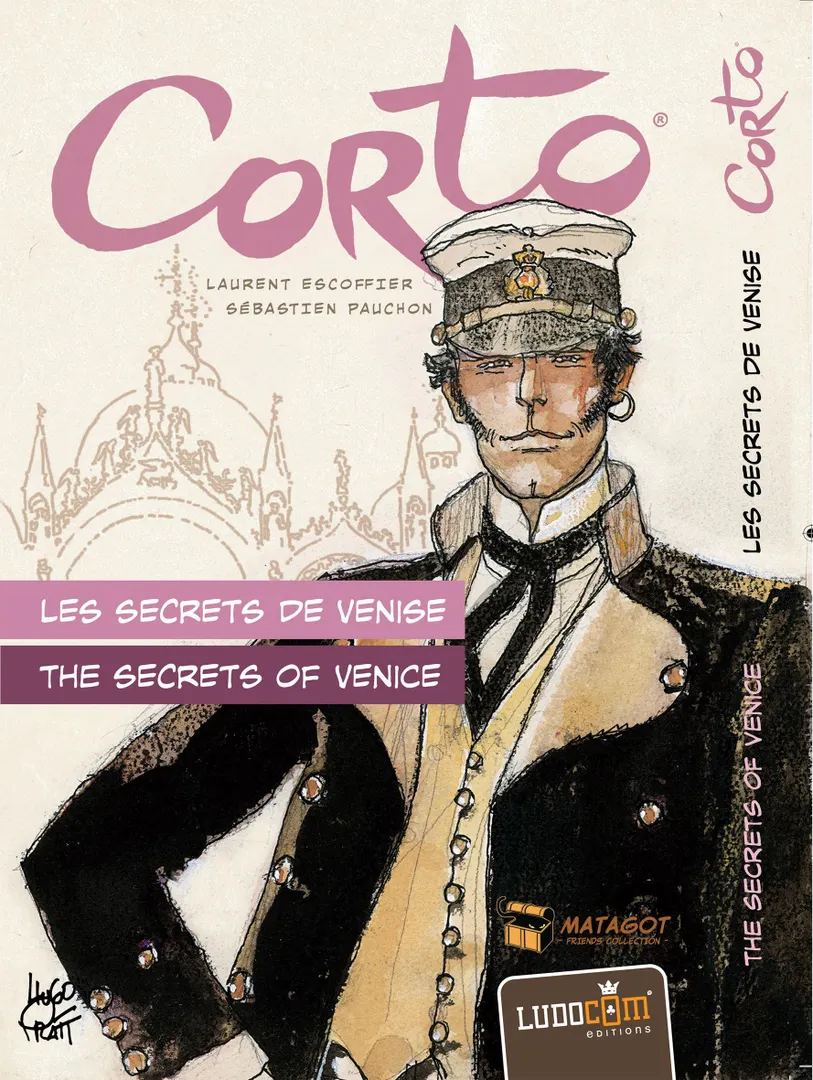
Corto: The Secrets of Venice
- 2–4 giocatori
- 20–40 min
- 2014
2013
Aiuto con le regole di Corto
Spiegazioni chiare di turni, effetti delle carte e situazioni dubbie, con riferimenti alle fonti ufficiali e cronologia delle domande salvata.
Per 2 giocatori
Cosa vuoi sapere?
Le risposte vengono dal regolamento ufficiale, con la pagina da verificare.
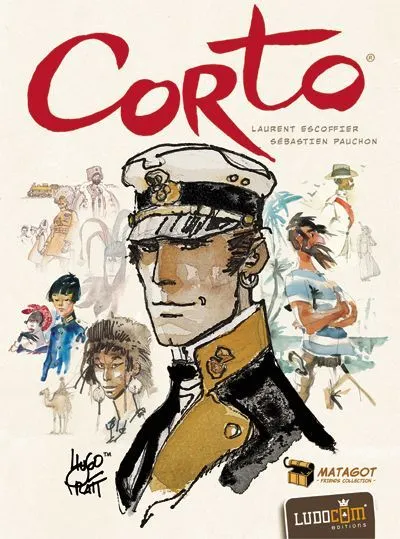
Corto è un gioco da tavolo pubblicato nel 2013 per 2–4 giocatori, con partite da 20 a 40 minuti e dai 10 anni in su. È stato ideato da Sébastien Pauchon e Laurent Escoffier e le sue meccaniche principali sono Hand Management, Area Majority / Influence e Modular Board.

In inglese
Enter the magical world of adventure of Corto Maltese, the hero from the fertile imagination of Hugo Pratt. Choose your adventures, then live through them as the game unfolds. Aided by Corto and resisting Rasputin's attempts to thwart your plans, recruit your own bands of adventurers and get your hands on gold at the end of the story! Corto is a card-based adventure game that mixes tactics and luck. To set up the game, choose four of the six quests, then place the appropriate quest boards next to one another on the table; each quest (attack the train of Russian gold, research the four aces of whale bones, meet the leopard-men, etc.) has its own deck of character and object cards that's shuffled and placed on the left side of the board. Reveal the top character from each deck, take turns placing one of your tokens on any character, then draw four cards from any combination of decks for your starting hand. On a turn, you can either discard any number of cards and fill your hand to four cards or you can play 1-4 cards. If you play a character card, place it on an empty space on the quest board of the same color, making sure that it's adjacent to at least one other character. Place a token on the card, then either add a token to or remove an opponent's token from an adjacent character depending on the character's border color (denoting a friend of Corto or associate of Rasputin). You can also play objects on the character to affect adjacent cards. Some characters and objects have long range effects that hit any character in the same column or row. Hit a character that has no tokens, and you remove it from the board, counting it as 1 gold at the end of the game. If you played cards, end your turn by drawing two cards. Players can also move Corto and Rasputin directly, using them to block spaces on the quest board, claim gold immediately, or eliminate characters. In addition to having its own mix of characters, objects and advantages, each quest has a different treasure waiting for players to nab. For "The Wreck of the Fortune Royale", you need to be the first to claim the aces in order to claim all the treasure for yourself; for "Admiral Kolchak's Bullion Train", if you attack the train — which moves across the quest boards as players lay down cards — you claim one of the train car tokens, which might have gold on it; for "On the Track of the Leopard Men", whoever has a majority of tokens on certain characters at the end of the game gains control of markers that might enhance their network of characters. When two quests are fully occupied or the players run out of cards, the game ends. In addition to scoring for the gold and treasures they've collected during the game, each player scores 2 gold per character in the largest group of characters he controls and 1 gold per character for smaller groups. Whoever ends up with the most gold wins!
Secondo il catalogo, Corto supporta da 2 a 4 giocatori. L’intervallo corrisponde al numero di giocatori indicato dall’editore, quindi il gioco si può preparare per qualsiasi gruppo entro quei limiti. Preparazione, alcune regole e punteggio possono comunque variare in base al numero di giocatori: controlla la configurazione esatta nel regolamento della tua edizione.
La durata indicata per Corto è di 20–40 minuti, la stima dell’editore per una partita completa. La durata effettiva dipende dal gruppo, dal numero di giocatori e dalla conoscenza delle regole: le prime partite durano di più, i gruppi esperti finiscono prima. Preparazione e spiegazione delle regole non sono comprese nella stima.
Il catalogo indica Corto dai 10 anni in su. È la raccomandazione dell’editore e tiene conto della lettura richiesta, della complessità delle regole e dei componenti piccoli, non solo del tema. I più giovani spesso possono giocare con l’aiuto di un adulto: controlla l’età consigliata sulla tua edizione e l’esperienza del tuo gruppo con i giochi da tavolo.
Corto ha un punteggio di complessità di 2,2 su 5 secondo i giocatori di BoardGameGeek, il che lo rende un gioco piuttosto leggero. Il punteggio riflette quanta conoscenza delle regole, pianificazione e decisioni richiede una partita tipica. I giochi impegnativi richiedono una prima spiegazione più lunga, quindi conviene usare una guida di preparazione.
Corto appartiene a queste categorie: Card Game, Comic Book / Strip e Adventure. Le sue meccaniche principali sono Hand Management, Area Majority / Influence e Modular Board. Le categorie descrivono il tema e l’ambientazione di un gioco, mentre le meccaniche descrivono ciò che i giocatori fanno davvero nel proprio turno. Ogni meccanica porta a una pagina del catalogo con giochi simili.
Gli autori accreditati di Corto sono: Sébastien Pauchon e Laurent Escoffier. Questi crediti provengono dai dati pubblicati del gioco e indicano le persone responsabili della sua progettazione, non gli illustratori o gli editori. Le pagine degli autori su MeepleRules raccolgono altri titoli degli stessi autori, utili quando un gioco ti piace e ne cerchi di simili.
Il catalogo classifica Corto come gioco base. Si gioca da solo con i componenti presenti nella scatola e non richiede altri titoli. Le espansioni, se esistono, aggiungono nuovo contenuto o nuove regole e sono elencate separatamente nel catalogo con un collegamento a questo gioco base.