
- Posizione BGG
- BGG #1569
- Valutazione BGG
- 7,4
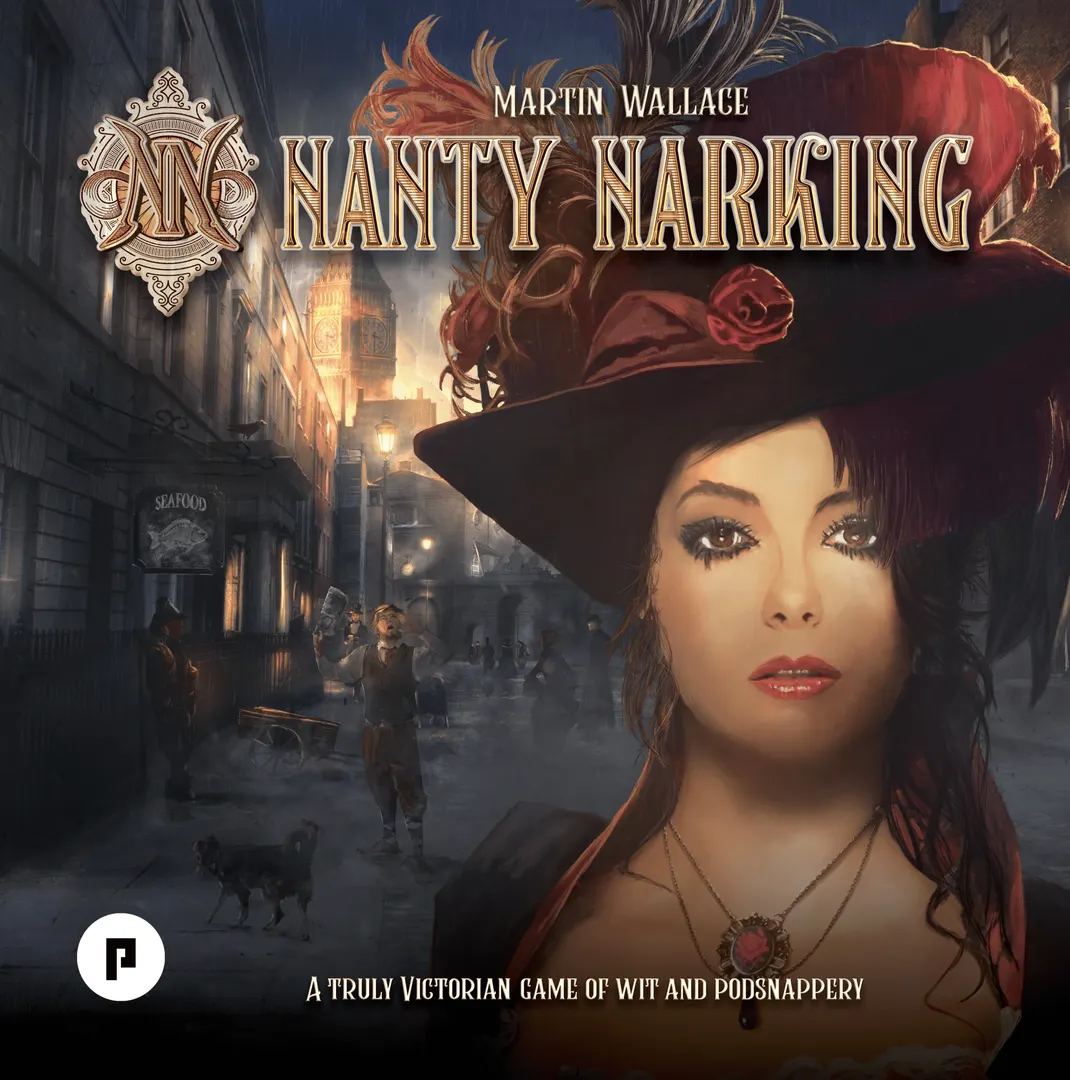
Nanty Narking
- 2–4 giocatori
- 60 min
- Complessità 2,3/5
- 2019
2011
Aiuto con le regole di Discworld: Ankh-Morpork
Spiegazioni chiare di turni, effetti delle carte e situazioni dubbie, con riferimenti alle fonti ufficiali e cronologia delle domande salvata.
Per 2 giocatori
Cosa vuoi sapere?
Le risposte vengono dal regolamento ufficiale, con la pagina da verificare.
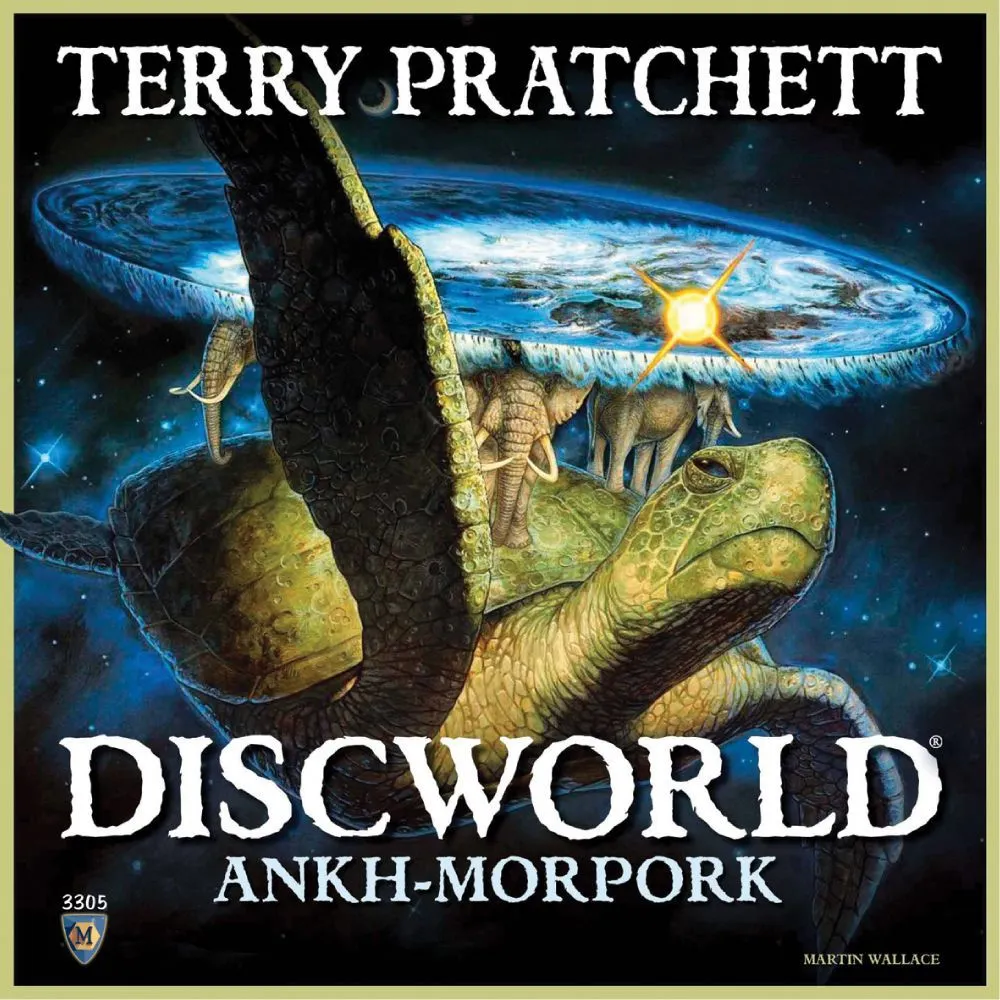
Discworld: Ankh-Morpork è un gioco da tavolo pubblicato nel 2011 per 2–4 giocatori, con partite da 60 minuti e dai 11 anni in su. È stato ideato da Martin Wallace e le sue meccaniche principali sono Hand Management, Take That e Dice Rolling.

In inglese
Martin Wallace and Treefrog Games present Ankh-Morpork, set in the largest city-state in Terry Pratchett's Discworld. Lord Vetinari has disappeared and different factions are trying to take control of the city. Each player has a secret personality with specific victory conditions, which means that you're not sure exactly what the other players need to do in order to win. The action takes place on a map of Ankh-Morpork, with players trying to place minions and buildings through card play. Each of the 132 cards is unique, and the cards bring the game to life as they include most of the famous characters that have appeared in the various books. The rules are relatively simple: Play a card and do what it says. Most cards have more than one action on them, and you can choose to do some or all of these actions. Some cards also allow you to play a second card, so you can chain actions" (Wallace). A team of artists have recreated the city and its residents for the cards, game board and box, with Bernard Pearson coordinating that team. Ankh-Morpork has been sublicensed to Mayfair Games for the North American market and Kosmos for the German market.
Secondo il catalogo, Discworld: Ankh-Morpork supporta da 2 a 4 giocatori. L’intervallo corrisponde al numero di giocatori indicato dall’editore, quindi il gioco si può preparare per qualsiasi gruppo entro quei limiti. Preparazione, alcune regole e punteggio possono comunque variare in base al numero di giocatori: controlla la configurazione esatta nel regolamento della tua edizione.
La durata indicata per Discworld: Ankh-Morpork è di 60 minuti, la stima dell’editore per una partita completa. La durata effettiva dipende dal gruppo, dal numero di giocatori e dalla conoscenza delle regole: le prime partite durano di più, i gruppi esperti finiscono prima. Preparazione e spiegazione delle regole non sono comprese nella stima.
Il catalogo indica Discworld: Ankh-Morpork dai 11 anni in su. È la raccomandazione dell’editore e tiene conto della lettura richiesta, della complessità delle regole e dei componenti piccoli, non solo del tema. I più giovani spesso possono giocare con l’aiuto di un adulto: controlla l’età consigliata sulla tua edizione e l’esperienza del tuo gruppo con i giochi da tavolo.
Discworld: Ankh-Morpork ha un punteggio di complessità di 2,2 su 5 secondo i giocatori di BoardGameGeek, il che lo rende un gioco piuttosto leggero. Il punteggio riflette quanta conoscenza delle regole, pianificazione e decisioni richiede una partita tipica. I giochi impegnativi richiedono una prima spiegazione più lunga, quindi conviene usare una guida di preparazione.
Discworld: Ankh-Morpork appartiene a queste categorie: Card Game, Fantasy e Deduction. Le sue meccaniche principali sono Hand Management, Take That e Dice Rolling. Le categorie descrivono il tema e l’ambientazione di un gioco, mentre le meccaniche descrivono ciò che i giocatori fanno davvero nel proprio turno. Ogni meccanica porta a una pagina del catalogo con giochi simili.
Gli autori accreditati di Discworld: Ankh-Morpork sono: Martin Wallace. Questi crediti provengono dai dati pubblicati del gioco e indicano le persone responsabili della sua progettazione, non gli illustratori o gli editori. Le pagine degli autori su MeepleRules raccolgono altri titoli degli stessi autori, utili quando un gioco ti piace e ne cerchi di simili.
Il catalogo classifica Discworld: Ankh-Morpork come gioco base. Si gioca da solo con i componenti presenti nella scatola e non richiede altri titoli. Le espansioni, se esistono, aggiungono nuovo contenuto o nuove regole e sono elencate separatamente nel catalogo con un collegamento a questo gioco base.