
- Posizione BGG
- BGG #2742
- Valutazione BGG
- 7,3
Dungeon Twister 2: Prison
- 1–2 giocatori
- 60 min
- Complessità 3,2/5
- 2009
Aiuto con le regole di Dungeon Twister: Room P1
Spiegazioni chiare di turni, effetti delle carte e situazioni dubbie, con riferimenti alle fonti ufficiali e cronologia delle domande salvata.
Cosa vuoi sapere?
Le risposte vengono dal regolamento ufficiale, con la pagina da verificare.
Dungeon Twister: Room P1 è un’espansione di Dungeon Twister pubblicata nel 2005 per 2–4 giocatori, con partite da 60 minuti e dai 11 anni in su. È stato ideato da Christophe Boelinger e le sue meccaniche principali sono Hand Management, Tile Placement e Secret Unit Deployment.


In inglese
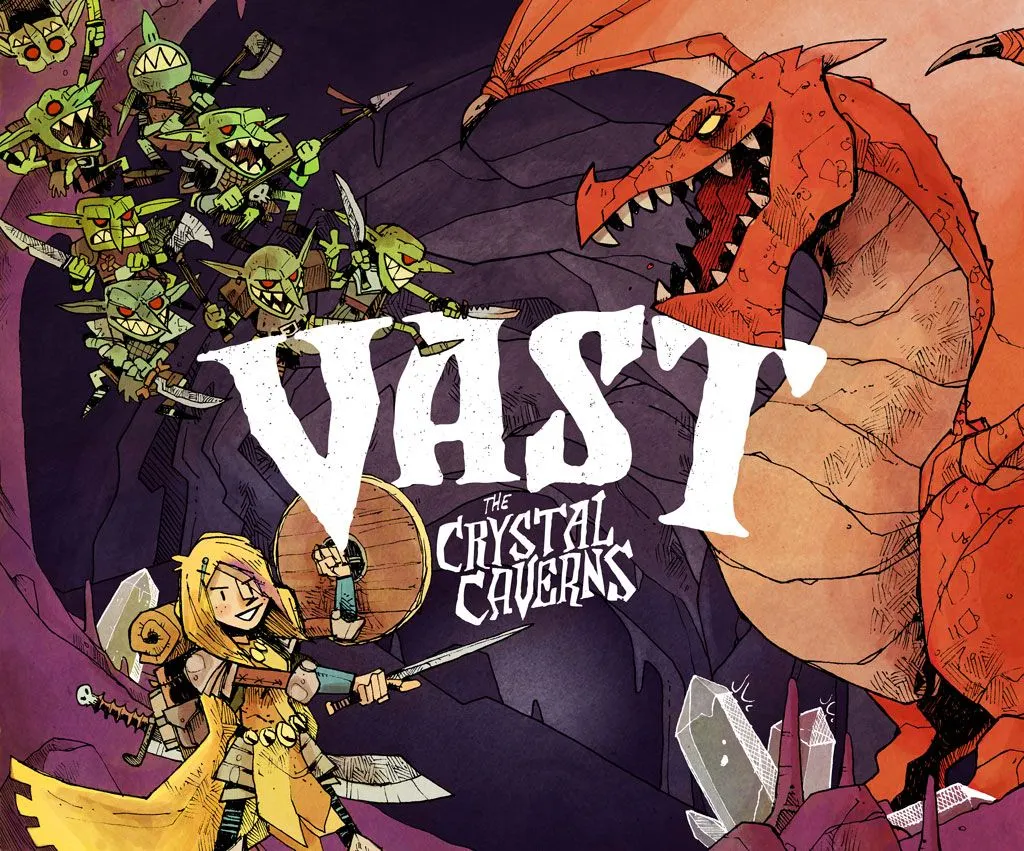
Arch-Mage Treasure Rooms (Rooms P1, Goodies 2004-2005) The number of VP necessary to win the game is increased by 1 VP for each face-up Arch-Mage Treasure room. For example, if the game is being played to 5 VP and both Arch-Mage Treasure rooms are visible, the game is now played to 7 VP. Giant Grinders: The Giant Grinders work exactly like rifts. A flying character (Wizard, Ghost, Specter, etc...) can fly over a Giant Grinder during his movement, but cannot stop there. Characters who can move over pit traps, like the Thief or Elf Scout, cannot more over a Giant Grinder square. A character carrying a rope can move over a Giant Grinder or stop there as long as there are two valid attachment points available. However, his movement must be from one valid square to another valid square. The Giant Grinders are obstacles. Pipes: Pipes are not normal floor squares. Pipes do not block line of sight. Pipes are obstacles for characters with a combat value of 3 or more (only the unmodified combat value on the character counts). Characters of combat value 0,1,or 2 (only the unmodified combat value on the character counts) can use Pipes like normal ground. Characters of combat value 0,1, or 2 can stop on Pipes. Characters of combat value 3 can move over Pipes like normal ground. Characters of combat value 3 cannot stop on Pipes. If they do stop on the Pipes, the Pipes break (place a broken marker) and the character falls into the giant grinders, which causes immediate death. Characters of combat value 4 or more can use Pipes, but as soon as they step on them, the Pipes break and the character is killed. When Pipes break, only the square where the character was standing is broken (not all of the Pipes). That can lead to a strange situation (but legal) where a piece of Pipes is all alone because the Pipes on each side were broken. Arch-Mage Treasure: A character standing on an Arch-Mage Treasure square can pick up the treasure for 1 AP. Place a Treasure token under the character. Each Arch-Mage Treasure square can only offer one Treasure per game. Pace a broken marker on the Arch-Mage treasure square to indicate that this square was already looted. If the Disciple "forgets" this room and it contains a looted (with a broken marker) Arch-Mage Treasure square, the broken marker is withdrawn. The square will provide another treasure once the room is discovered again. The Arch-Mage Treasure squares are considered to be normal floor squares only with regards to movement and line of sight. The Arch-Mage Treasure squares are not obstacles.
Secondo il catalogo, Dungeon Twister: Room P1 supporta da 2 a 4 giocatori. L’intervallo corrisponde al numero di giocatori indicato dall’editore, quindi il gioco si può preparare per qualsiasi gruppo entro quei limiti. Preparazione, alcune regole e punteggio possono comunque variare in base al numero di giocatori: controlla la configurazione esatta nel regolamento della tua edizione.
La durata indicata per Dungeon Twister: Room P1 è di 60 minuti, la stima dell’editore per una partita completa. La durata effettiva dipende dal gruppo, dal numero di giocatori e dalla conoscenza delle regole: le prime partite durano di più, i gruppi esperti finiscono prima. Preparazione e spiegazione delle regole non sono comprese nella stima.
Il catalogo indica Dungeon Twister: Room P1 dai 11 anni in su. È la raccomandazione dell’editore e tiene conto della lettura richiesta, della complessità delle regole e dei componenti piccoli, non solo del tema. I più giovani spesso possono giocare con l’aiuto di un adulto: controlla l’età consigliata sulla tua edizione e l’esperienza del tuo gruppo con i giochi da tavolo.
Dungeon Twister: Room P1 appartiene a queste categorie: Fantasy, Fighting e Exploration. Le sue meccaniche principali sono Hand Management, Tile Placement e Secret Unit Deployment. Le categorie descrivono il tema e l’ambientazione di un gioco, mentre le meccaniche descrivono ciò che i giocatori fanno davvero nel proprio turno. Ogni meccanica porta a una pagina del catalogo con giochi simili.
Gli autori accreditati di Dungeon Twister: Room P1 sono: Christophe Boelinger. Questi crediti provengono dai dati pubblicati del gioco e indicano le persone responsabili della sua progettazione, non gli illustratori o gli editori. Le pagine degli autori su MeepleRules raccolgono altri titoli degli stessi autori, utili quando un gioco ti piace e ne cerchi di simili.
Il catalogo classifica Dungeon Twister: Room P1 come espansione di Dungeon Twister. Le espansioni aggiungono contenuti, regole o scenari al gioco base e di solito non si possono giocare da sole, quindi per usarla ti serve Dungeon Twister. Controlla che la tua edizione di Dungeon Twister sia compatibile, perché alcune espansioni sono state riviste tra un’edizione e l’altra.