
- Posizione BGG
- BGG #7511
- Valutazione BGG
- 6,3
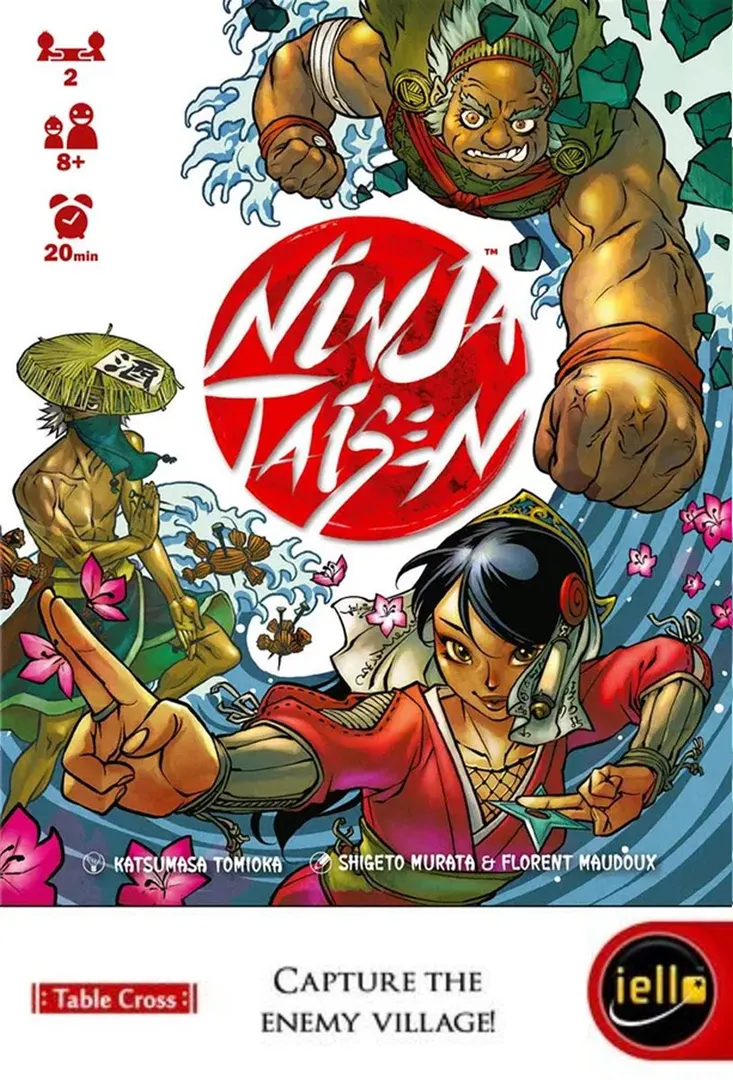
Ninja Taisen
- 2 giocatori
- 20 min
- Complessità 1,5/5
- 2014
2015
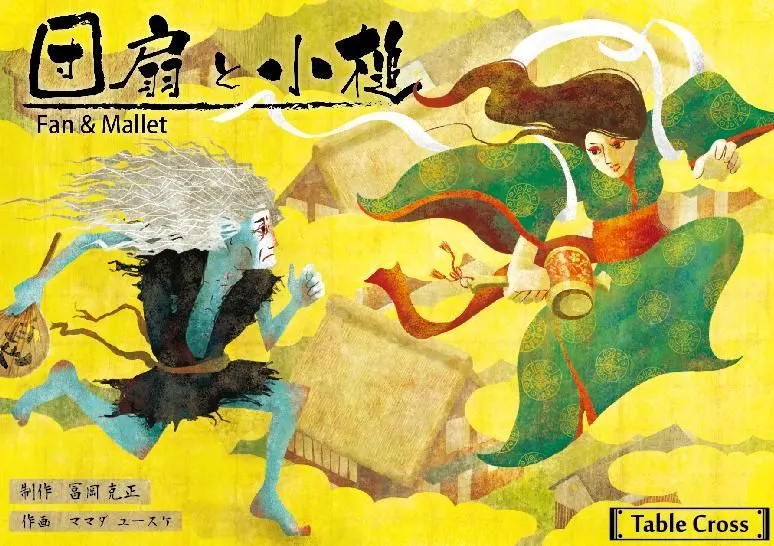
Aiuto con le regole di Fan & Mallet (団扇と小槌)
Spiegazioni chiare di turni, effetti delle carte e situazioni dubbie, con riferimenti alle fonti ufficiali e cronologia delle domande salvata.
Per 2 giocatori
Cosa vuoi sapere?
Le risposte vengono dal regolamento ufficiale, con la pagina da verificare.
Fan & Mallet (団扇と小槌) è un gioco da tavolo pubblicato nel 2015 per 2 giocatori, con partite da 30 minuti e dai 10 anni in su. È stato ideato da Katsumasa Tomioka.

In inglese
Fan & Mallet (団扇と小槌) is a two player game in which one player takes on the role of the god of riches and the other assumes the role of the god of poverty in a friendly competition for control over a small village. On their turn, each player places one of their god’s followers on one of the buildings in the village. Each god has the same two types of followers: Tsukumogami (Spirit Objects), household items possessing a soul that animates them and Zashiki-warashi (Kid Ghosts), playful child-like spirits. Each follower has a strength value and once a building has five followers placed on it, the total strengths of each god’s followers placed there are then compared. Spirit Objects have a number that represents their strength, while Kid Ghosts have strengths that can vary through powerful special abilities which are triggered by the arrangement of other spirits at the same building. If the strength of your faction is greater, you place one of your god’s possession markers on the building. Using clever placement of your followers to better capitalize on each Zashiki-warashi’s special ability is key to victory in Fan and Mallet. The first player to place all seven of their possession markers wins the game.
Secondo il catalogo, Fan & Mallet (団扇と小槌) supporta 2 giocatori. È il numero di giocatori indicato dall’editore, quindi il gioco è pensato esattamente per quel numero di partecipanti. Le varianti per gruppi di altre dimensioni, se esistono, sono descritte nel regolamento della tua edizione: consultalo prima di preparare una configurazione diversa.
La durata indicata per Fan & Mallet (団扇と小槌) è di 30 minuti, la stima dell’editore per una partita completa. La durata effettiva dipende dal gruppo, dal numero di giocatori e dalla conoscenza delle regole: le prime partite durano di più, i gruppi esperti finiscono prima. Preparazione e spiegazione delle regole non sono comprese nella stima.
Il catalogo indica Fan & Mallet (団扇と小槌) dai 10 anni in su. È la raccomandazione dell’editore e tiene conto della lettura richiesta, della complessità delle regole e dei componenti piccoli, non solo del tema. I più giovani spesso possono giocare con l’aiuto di un adulto: controlla l’età consigliata sulla tua edizione e l’esperienza del tuo gruppo con i giochi da tavolo.
Fan & Mallet (団扇と小槌) ha un punteggio di complessità di 2,5 su 5 secondo i giocatori di BoardGameGeek, il che lo rende un gioco piuttosto leggero. Il punteggio riflette quanta conoscenza delle regole, pianificazione e decisioni richiede una partita tipica. I giochi impegnativi richiedono una prima spiegazione più lunga, quindi conviene usare una guida di preparazione.
Fan & Mallet (団扇と小槌) appartiene a queste categorie: Card Game. Le categorie descrivono il tema, l’ambientazione e lo stile di un gioco, non le sue regole. Filtra il catalogo per la stessa categoria per trovare giochi simili se ti è piaciuto Fan & Mallet (団扇と小槌) e cerchi qualcosa di paragonabile per la prossima serata.
Gli autori accreditati di Fan & Mallet (団扇と小槌) sono: Katsumasa Tomioka. Questi crediti provengono dai dati pubblicati del gioco e indicano le persone responsabili della sua progettazione, non gli illustratori o gli editori. Le pagine degli autori su MeepleRules raccolgono altri titoli degli stessi autori, utili quando un gioco ti piace e ne cerchi di simili.
Il catalogo classifica Fan & Mallet (団扇と小槌) come gioco base. Si gioca da solo con i componenti presenti nella scatola e non richiede altri titoli. Le espansioni, se esistono, aggiungono nuovo contenuto o nuove regole e sono elencate separatamente nel catalogo con un collegamento a questo gioco base.