
- Valutazione BGG
- 7,8
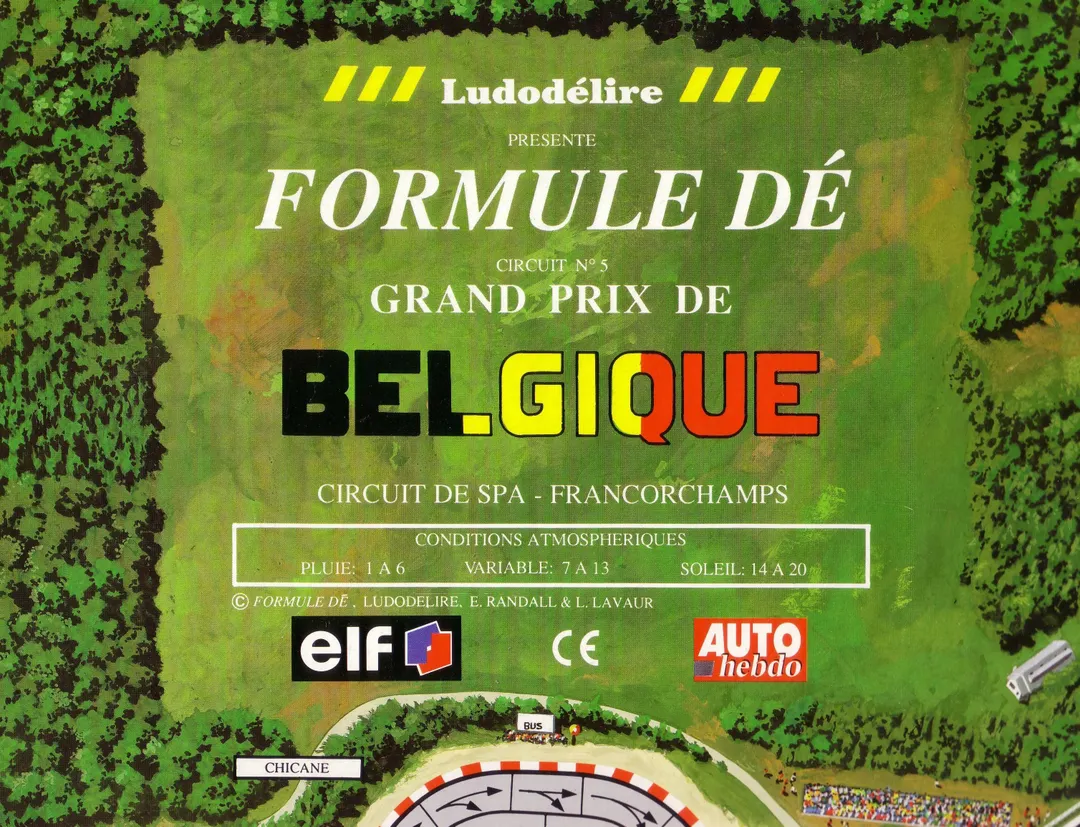
Formule Dé Circuit № 5: GRAND PRIX DE BELGIQUE – Circuit de Spa – Francorchamps
- 2–10 giocatori
- 120 min
- Complessità 2,0/5
- 1993
2008
Aiuto con le regole di Formula D
Spiegazioni chiare di turni, effetti delle carte e situazioni dubbie, con riferimenti alle fonti ufficiali e cronologia delle domande salvata.
Per 2 giocatori
Cosa vuoi sapere?
Le risposte vengono dal regolamento ufficiale, con la pagina da verificare.
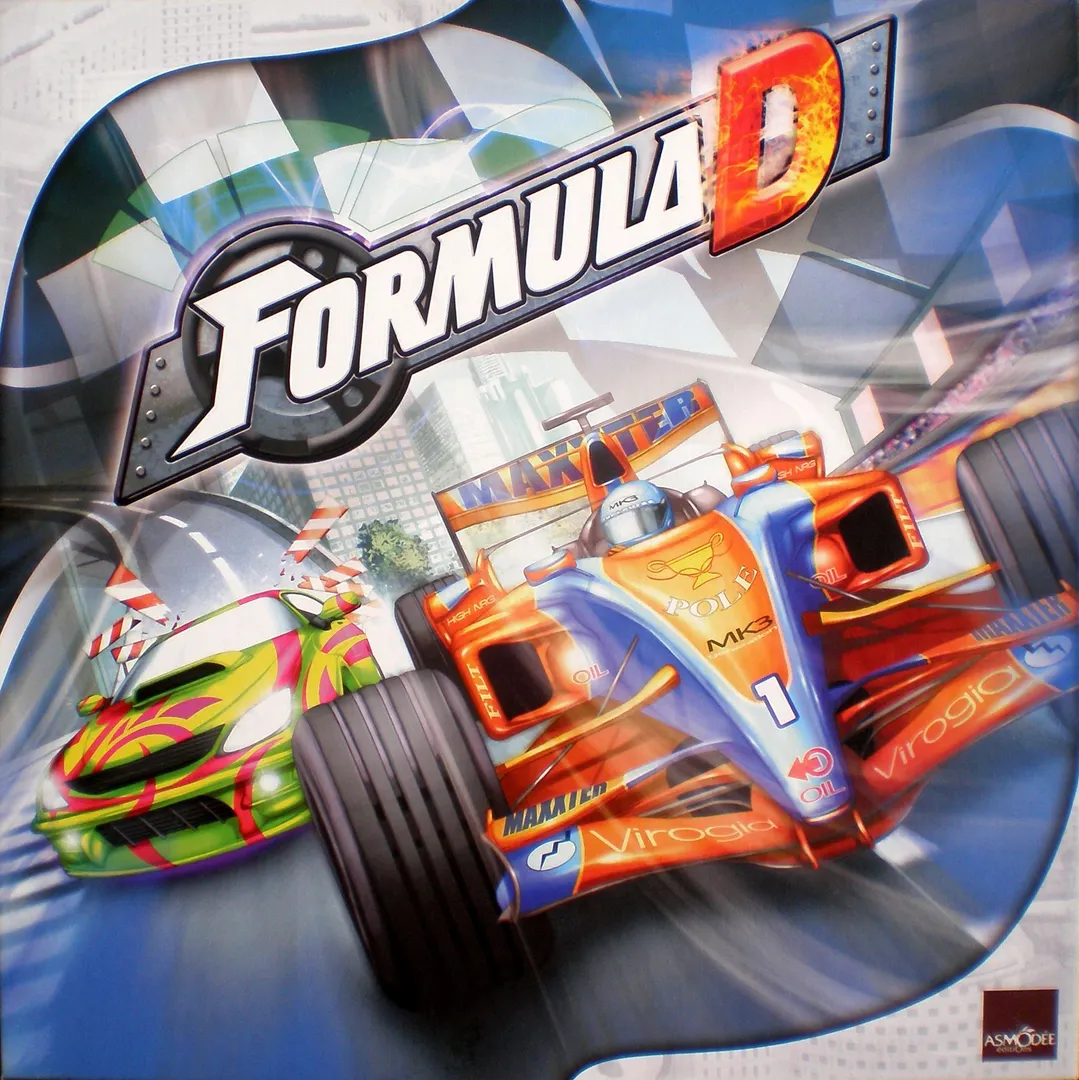
Formula D è un gioco da tavolo pubblicato nel 2008 per 2–10 giocatori, con partite da 60 minuti e dai 8 anni in su. È stato ideato da Laurent Lavaur e Eric Randall e le sue meccaniche principali sono Race, Push Your Luck e Player Elimination.
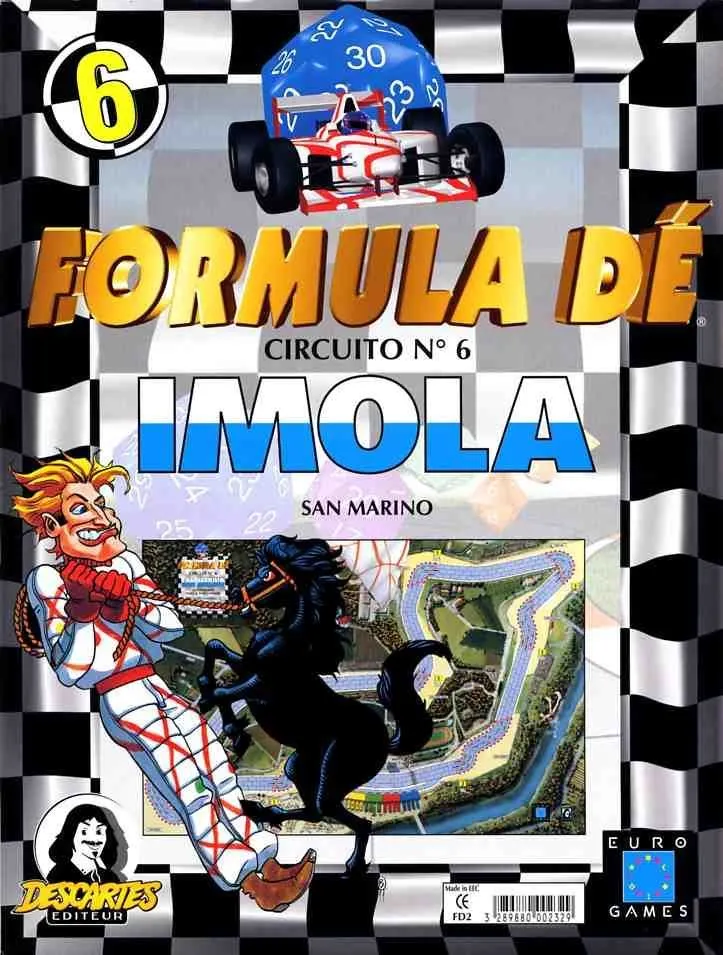
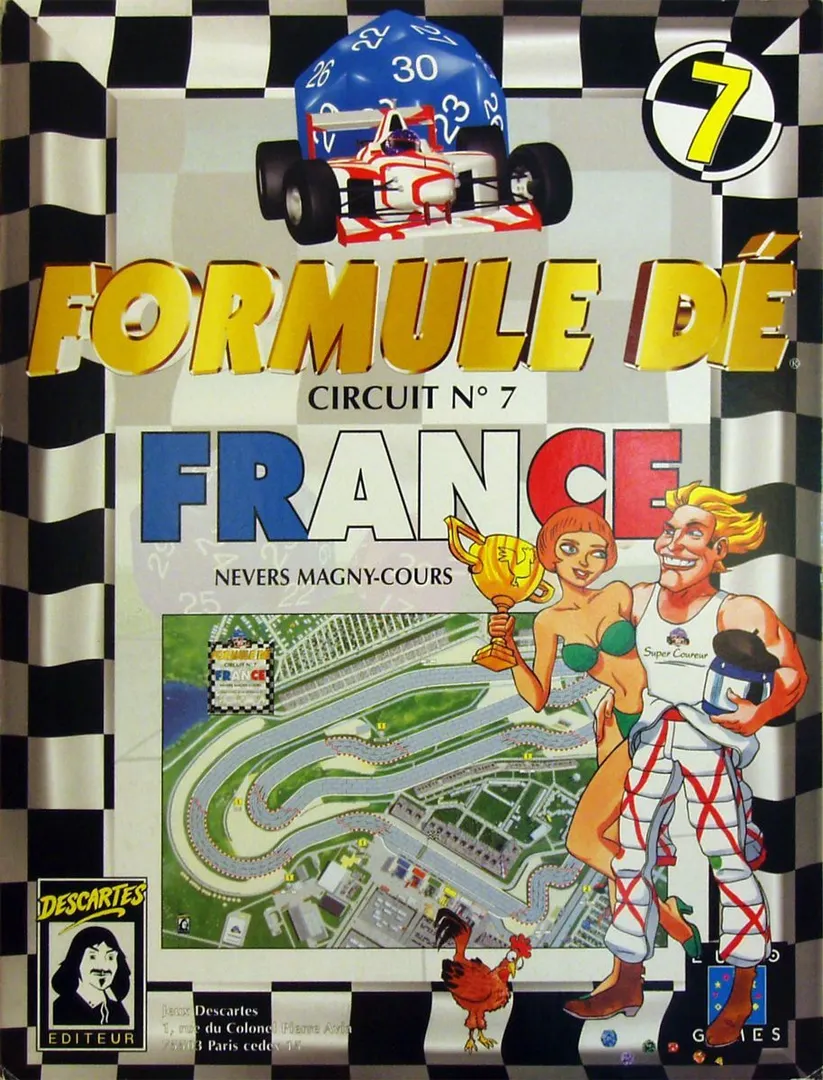
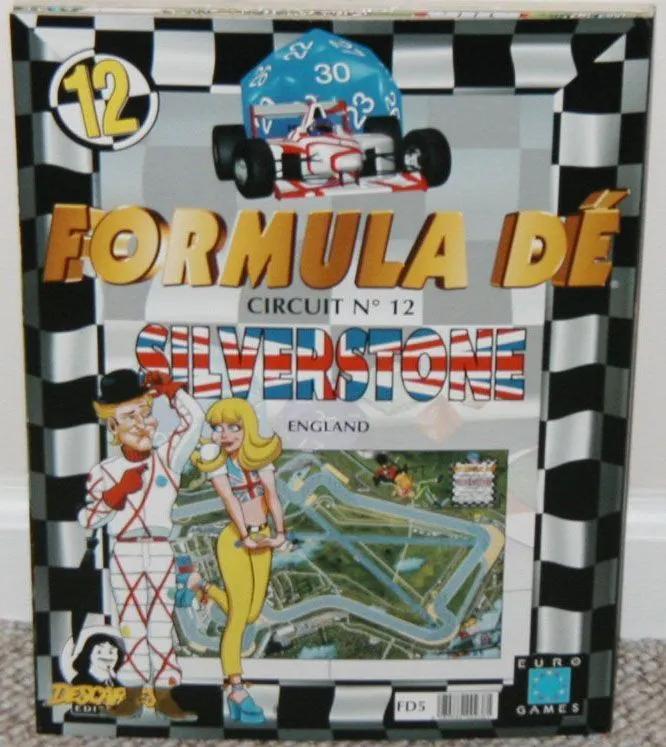
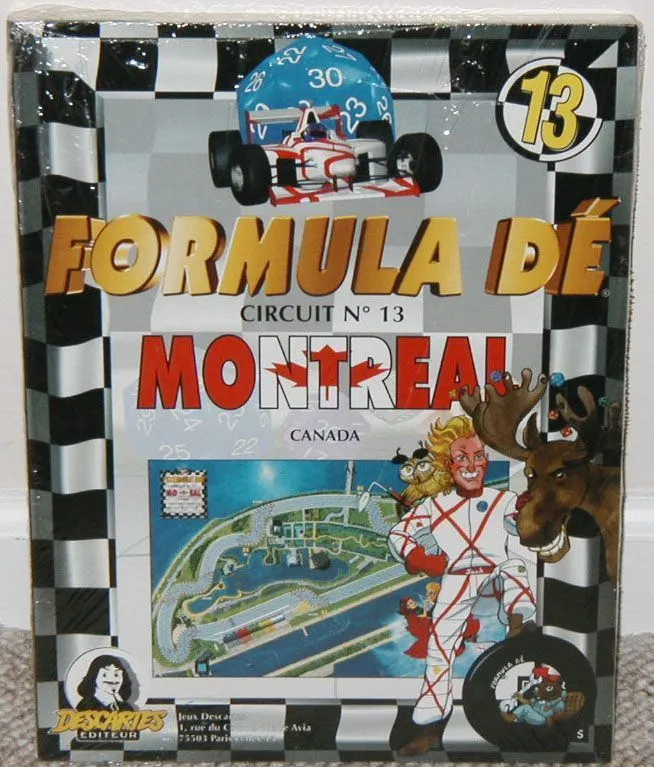
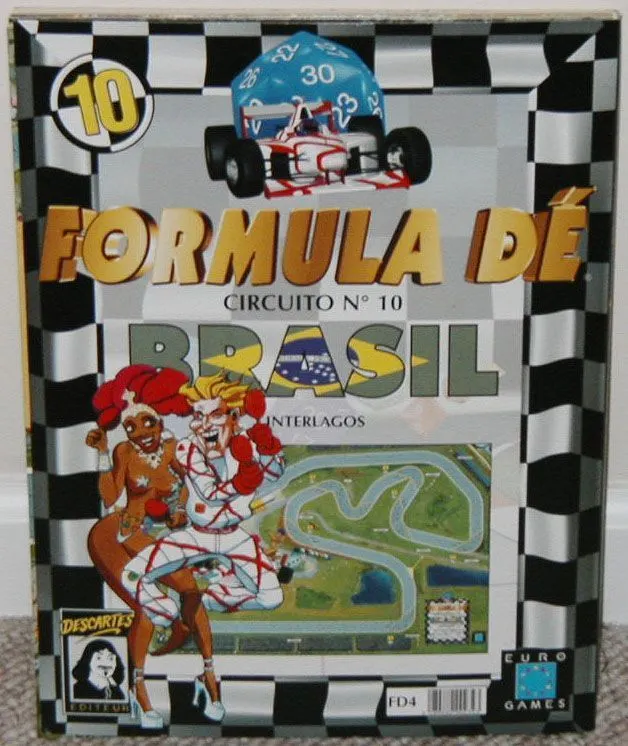
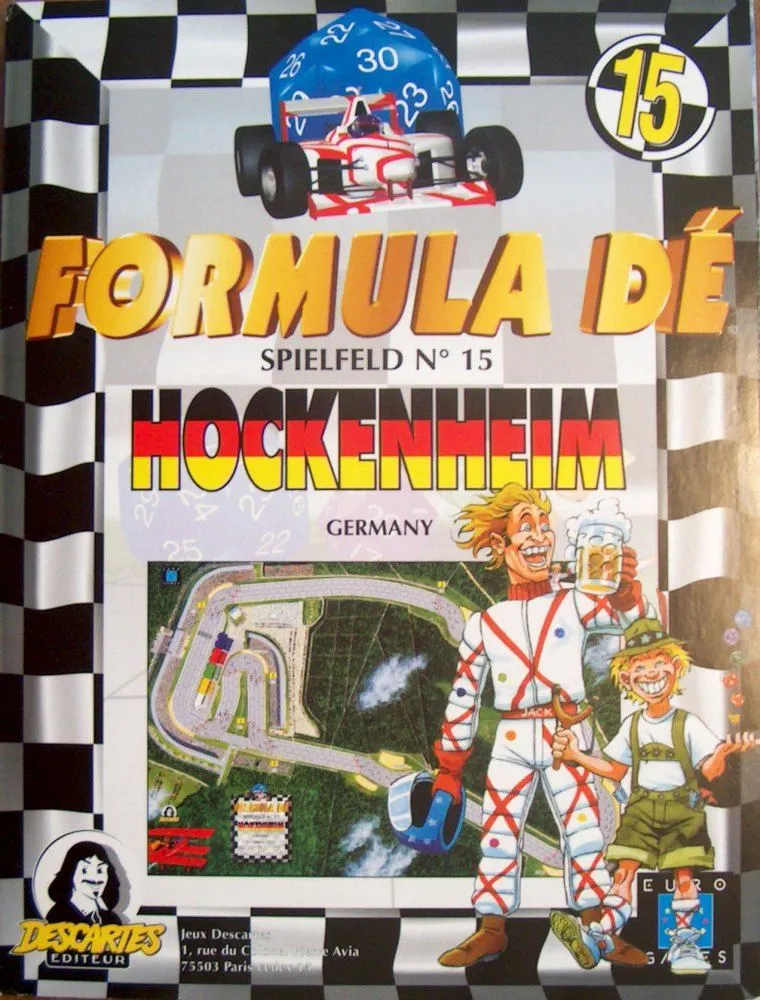
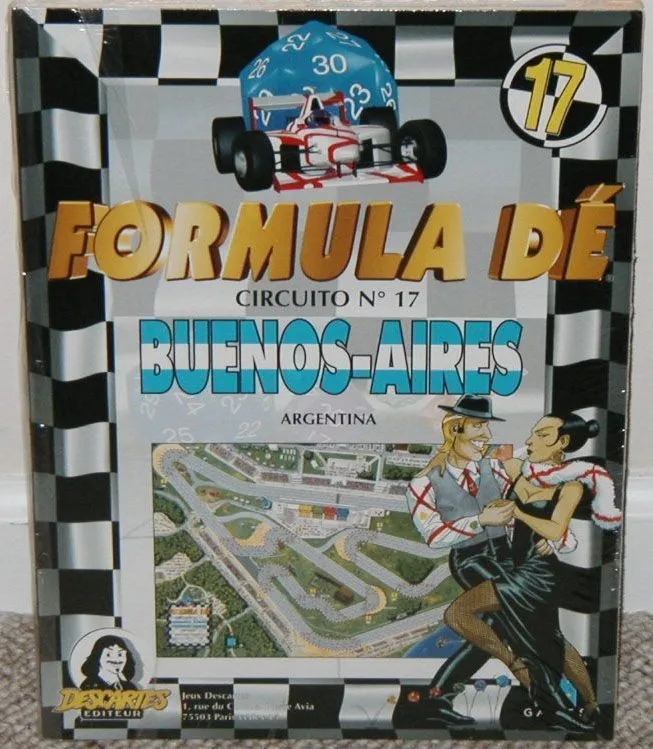
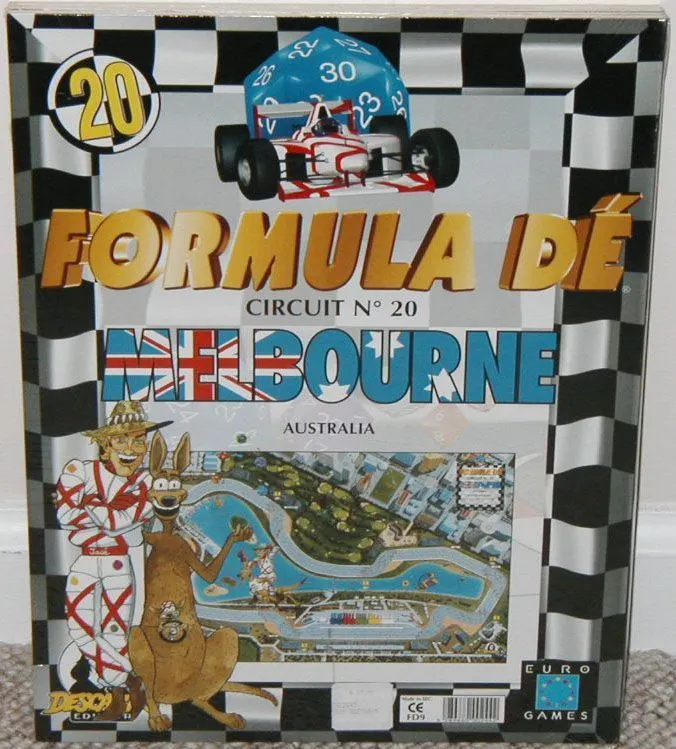
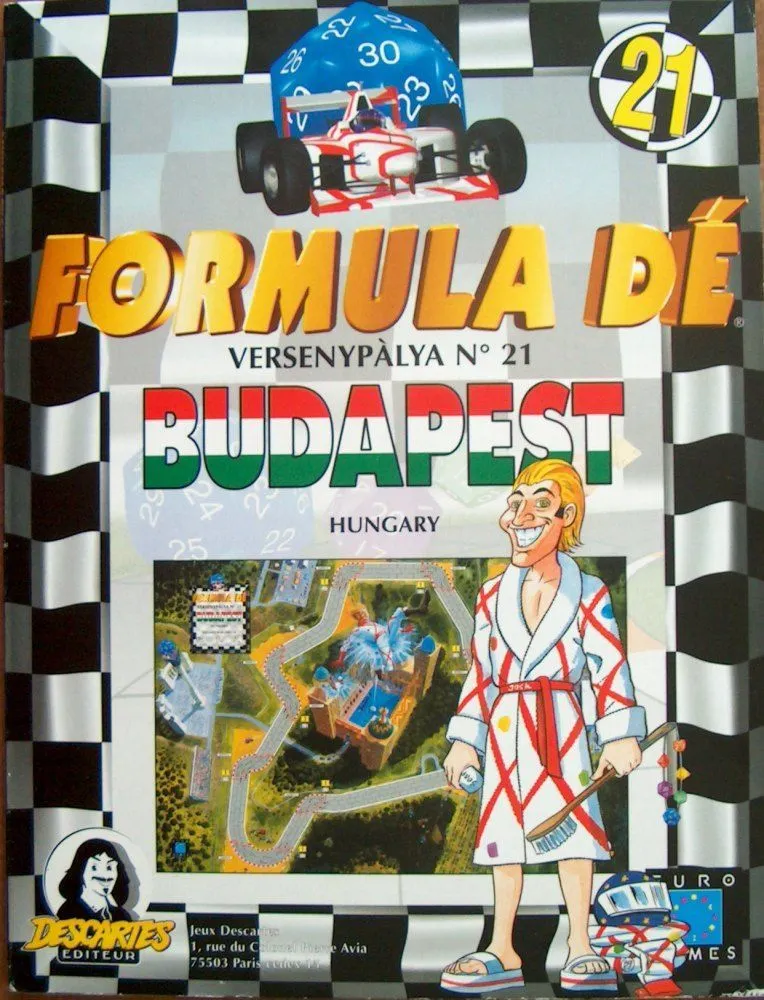
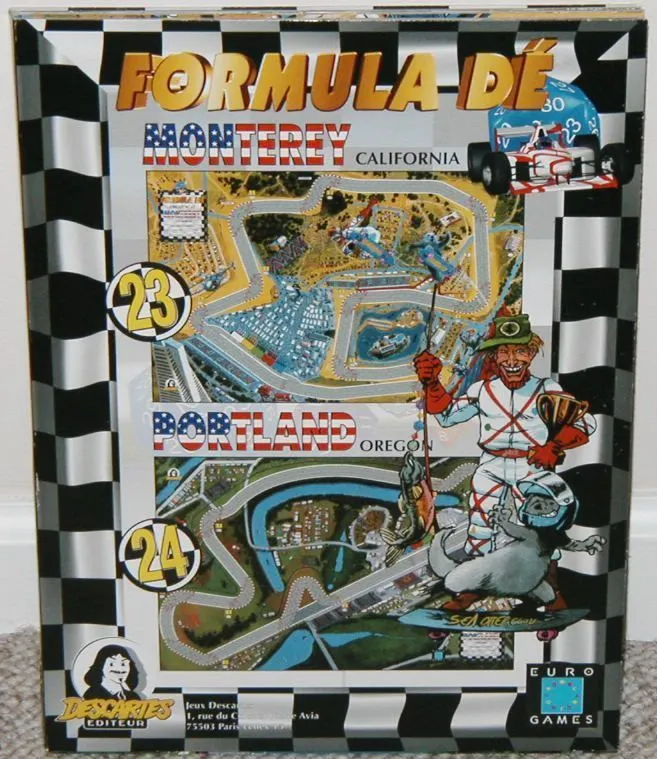
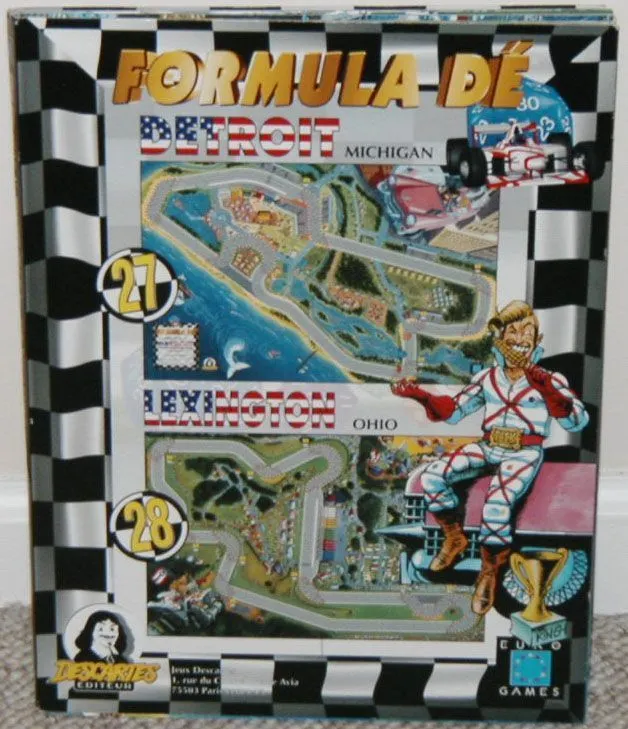
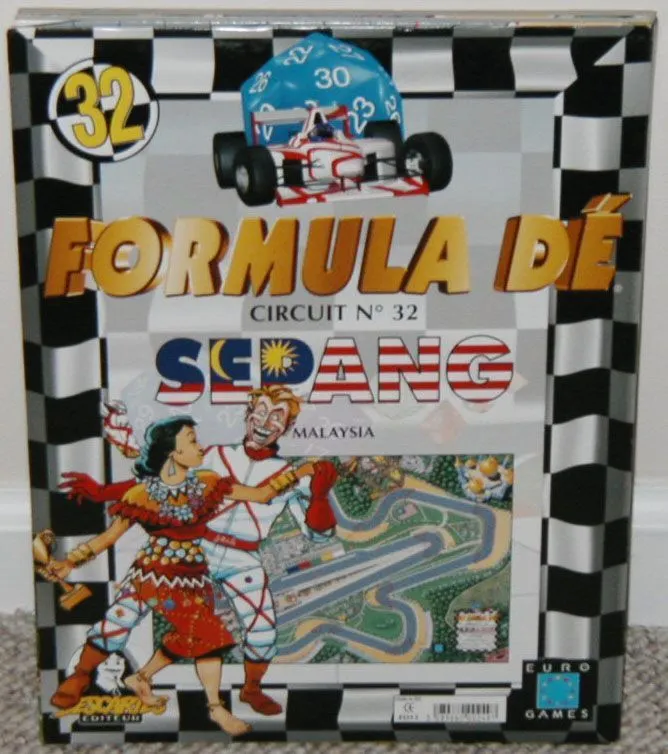
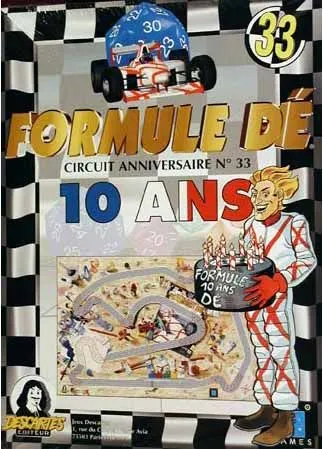
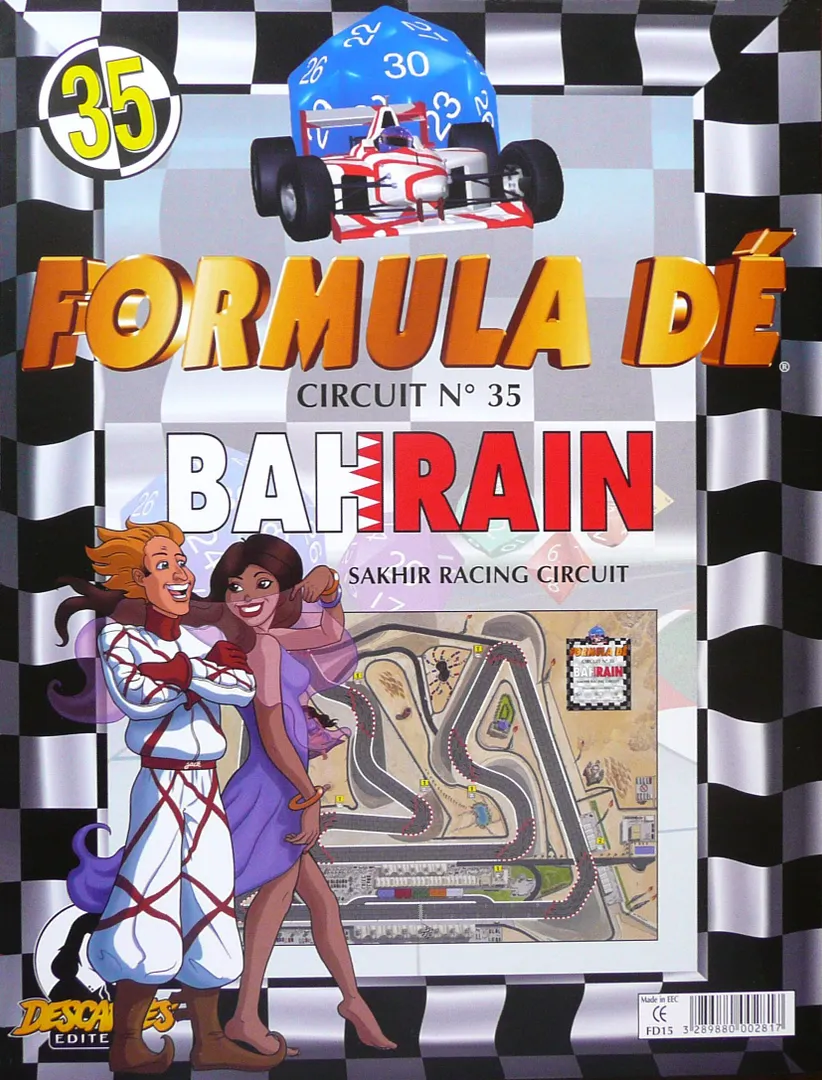
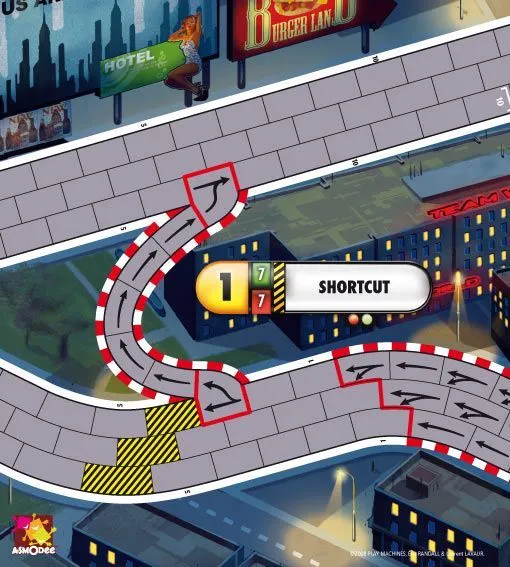
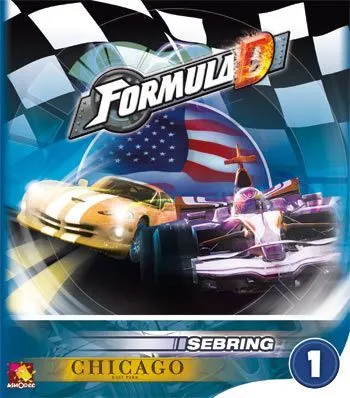



In inglese
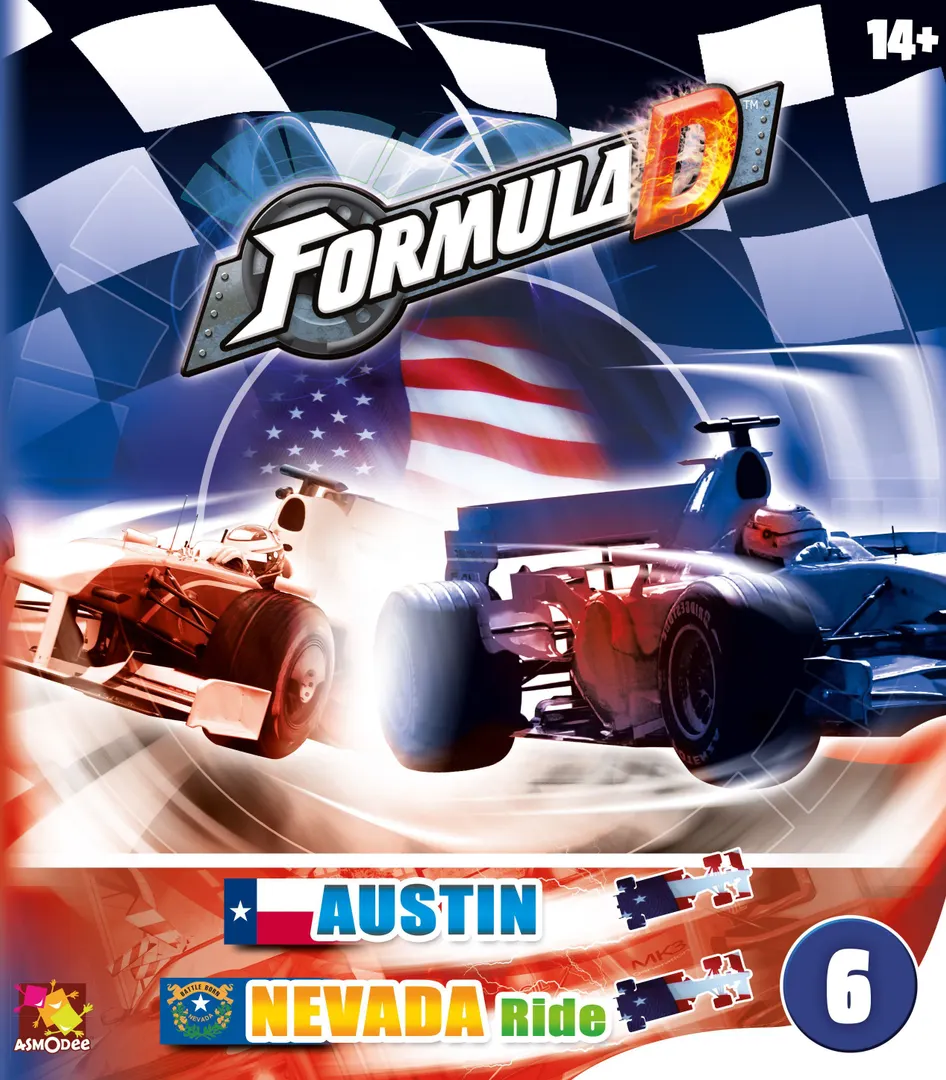
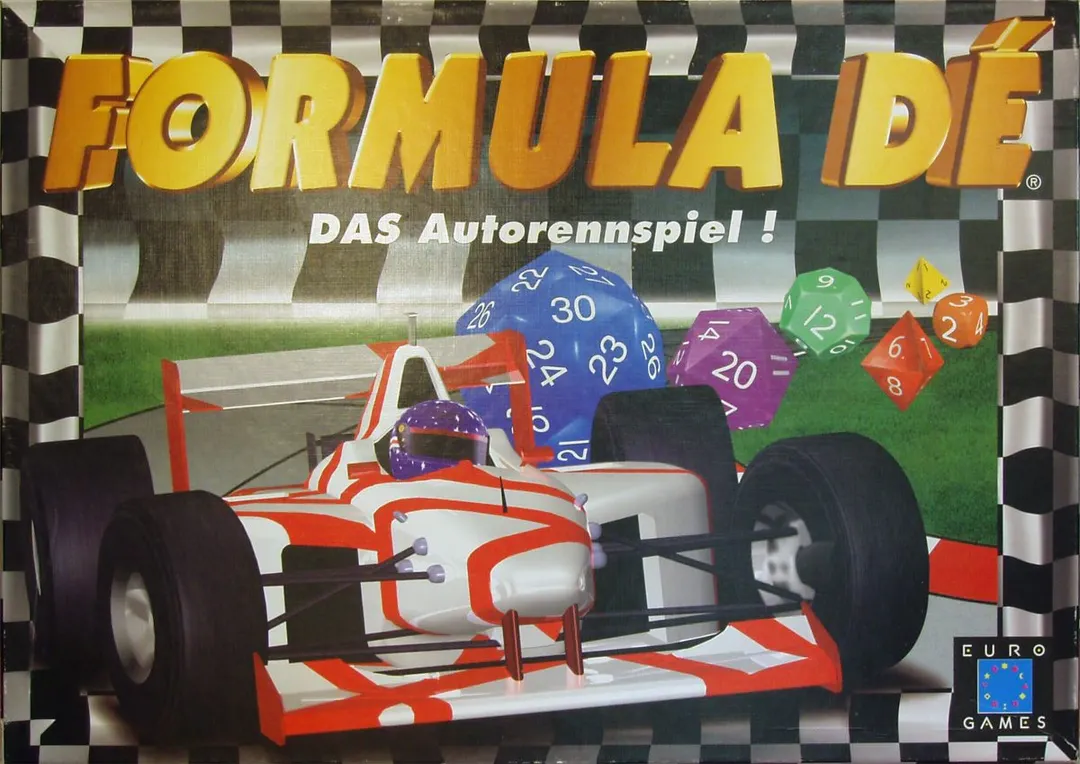
Formula D is a high stakes Formula One type racing game where the players race simulated cars with the hope of crossing the finish line first. This is a re-release of Formula Dé with several changes from the original format. Whilst old tracks can be used with the updated Formula D rules, the new game features boards that have an F1 track and a Street Track on the other side. These street tracks each have a novel inclusion or two to add greater theme - The game mechanisms are a simple race, get to the finish line first! However, players have to use a significant amount of planning, and rely on quite a bit of luck. Each player manages when to shift gears, with each gear providing a different speed. (For example, 4th gear is a die that rolls random numbers from 7 to 12 for spaces moved.) Each turn, players may move up one gear, stay in that gear, or move down gears. This forces players to match possible rolls with the optimum distance for that turn, and hopefully plan ahead. However, speed is not the only issue! Corners have a "stop" rule that requires players to stop once, twice, or three times on that corner in consecutive turns or face a penalty. This creates an effective speed limit to the corners. Of course, things do not always go as planned! Players take penalties if they miss their roll, bump into another car, are blocked by other cars, have to brake heavily, or have to downshift several gears. These are taken off of a car’s attributes (Tire health, Brake wear, Transmission Gears, Body, engine, and Suspension). Losing the maximum in any of these categories will result in elimination, or a severe setback for that car. This requires that players manage their car’s health, plan for their best path, and have good luck on their rolls. This high amount of luck gives the game its family appeal, and lets weaker players have a chance at winning once in a while. However, the fun does not end with a single race! The rules include the ability to customize your cars, use a pre-generated character, add Slipstreaming (Drafting) rules and road debris, and change tire types to modify your distance rolls. There are also variations for a single lap race, or multiple laps with pit stops to repair some of your damage points. In addition, numerous expansion tracks can be purchased to vary the demands on each driver and car. Each track may also have weather effects (rain) that change car handling and die rolls due to skidding on wet track. This opens up the game for rally rules giving championship points over a number of races. Formula D adds a few items that are not in the original Formula De: There is the added excitement of illegal racing in the streets of big cities - anything goes! This adds custom cars, nitro acceleration, drifting in the curves, dirty tricks, gun battles, and trash on the road to add more variation. A basic change is the use of a "Dashboard" with movable pegs to manage your car’s attributes instead of the paper forms from Formula De. There are also two sets of pre-painted cars; a Formula 1 set and the Street Race set of stock cars. The street cars come with "Character" profiles to give a bit of role-playing to the game. Finally, the old category of "Fuel" for the car has been renamed Transmission Wear to give a better thematic fit to the effect of multiple downshifting. The popularity of this game has given it a lot of expansions, some simplifications to the rules (See Formula Dé Mini), and a lot of "after market" parts. There are also fan expansions and tracks for the very dedicated player. In many ways, this has become a multiple game system.
Secondo il catalogo, Formula D supporta da 2 a 10 giocatori. L’intervallo corrisponde al numero di giocatori indicato dall’editore, quindi il gioco si può preparare per qualsiasi gruppo entro quei limiti. Preparazione, alcune regole e punteggio possono comunque variare in base al numero di giocatori: controlla la configurazione esatta nel regolamento della tua edizione.
La durata indicata per Formula D è di 60 minuti, la stima dell’editore per una partita completa. La durata effettiva dipende dal gruppo, dal numero di giocatori e dalla conoscenza delle regole: le prime partite durano di più, i gruppi esperti finiscono prima. Preparazione e spiegazione delle regole non sono comprese nella stima.
Il catalogo indica Formula D dai 8 anni in su. È la raccomandazione dell’editore e tiene conto della lettura richiesta, della complessità delle regole e dei componenti piccoli, non solo del tema. I più giovani spesso possono giocare con l’aiuto di un adulto: controlla l’età consigliata sulla tua edizione e l’esperienza del tuo gruppo con i giochi da tavolo.
Formula D ha un punteggio di complessità di 2,0 su 5 secondo i giocatori di BoardGameGeek, il che lo rende un gioco leggero. Il punteggio riflette quanta conoscenza delle regole, pianificazione e decisioni richiede una partita tipica. I giochi impegnativi richiedono una prima spiegazione più lunga, quindi conviene usare una guida di preparazione.
Formula D appartiene a queste categorie: Racing e Sports. Le sue meccaniche principali sono Race, Push Your Luck e Player Elimination. Le categorie descrivono il tema e l’ambientazione di un gioco, mentre le meccaniche descrivono ciò che i giocatori fanno davvero nel proprio turno. Ogni meccanica porta a una pagina del catalogo con giochi simili.
Gli autori accreditati di Formula D sono: Laurent Lavaur e Eric Randall. Questi crediti provengono dai dati pubblicati del gioco e indicano le persone responsabili della sua progettazione, non gli illustratori o gli editori. Le pagine degli autori su MeepleRules raccolgono altri titoli degli stessi autori, utili quando un gioco ti piace e ne cerchi di simili.
Il catalogo classifica Formula D come gioco base. Si gioca da solo con i componenti presenti nella scatola e non richiede altri titoli. Le espansioni, se esistono, aggiungono nuovo contenuto o nuove regole e sono elencate separatamente nel catalogo con un collegamento a questo gioco base.