
- Posizione BGG
- BGG #7242
- Valutazione BGG
- 6,4
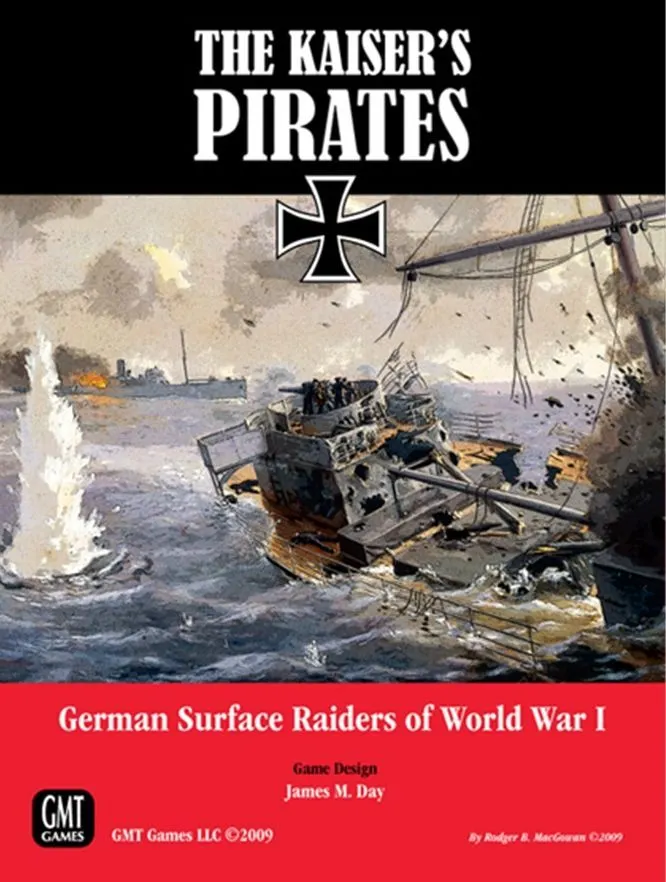
The Kaiser's Pirates
- 1–4 giocatori
- 90 min
- Complessità 2,3/5
- 2007
2013
Aiuto con le regole di Iron and Oak
Spiegazioni chiare di turni, effetti delle carte e situazioni dubbie, con riferimenti alle fonti ufficiali e cronologia delle domande salvata.
Per 1 giocatore
Cosa vuoi sapere?
Le risposte vengono dal regolamento ufficiale, con la pagina da verificare.
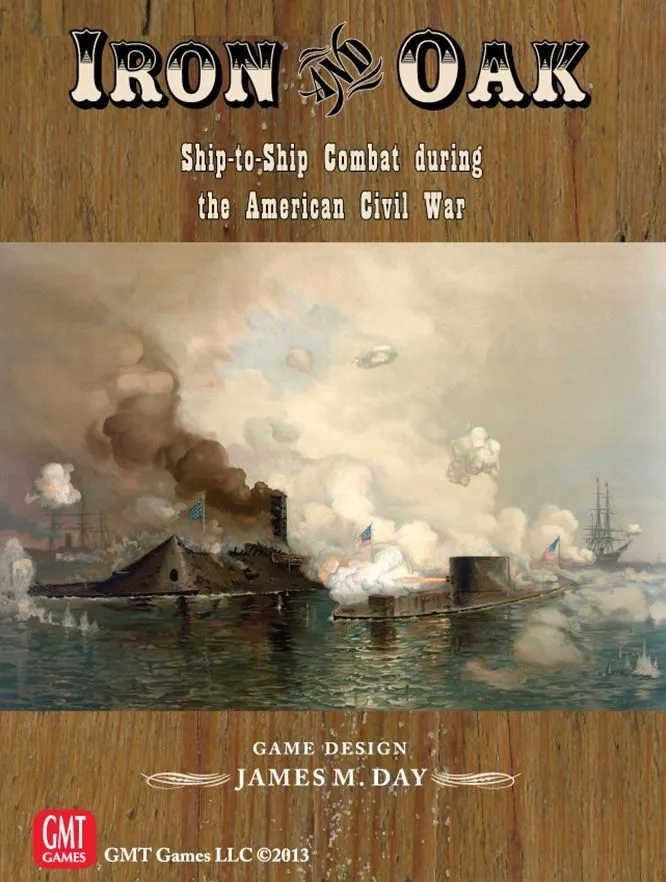
Iron and Oak è un gioco da tavolo pubblicato nel 2013 per 1–2 giocatori, con partite da 90 minuti e dai 12 anni in su. È stato ideato da James M. Day e le sue meccaniche principali sono Area Movement e Dice Rolling.

In inglese
Iron and Oak is game of ship-to-ship combat set during the American Civil War. As a tactical representation of naval warfare, each of the ships is accurately modeled for offensive capability including gunnery, ramming and spar torpedoes; for defensive capability including damage and five distinct armored or wooden hit locations; and for maneuverability, crew size and draft. You command 70 famous ships of the era, including the Union: Onondaga, Tecumseh, Winnebago, Monitor, Osage, Minnesota, Brooklyn, Hartford, Essex, Carondolet, Kearsarge, Ossipee, Queen of the West, Iroquois, Spuyten Duyvil; and the Confederate: Tennessee, Virginia, Atlanta, Palmetto State, Arkansas, Albemarle, Alabama, Florida, General Beauregard, Sumter; and many more. Many of the 14 scenarios, in this easy-to-learn game, are playable in an hour or less. Included are 13 historical and 1 hypothetical engagements featuring Hampton Roads, Mobile Bay, Trent’s Reach, Wassaw Sound, the duel between Alabama and the Kearsarge, and the saga of the Arkansas, which may be played as three individual scenarios or as a linked mini-campaign. In addition, forts bristling with guns make their appearance to challenge the will of the ship captains. If that was not enough to heat things up, scenario based optional rules add a few interesting ‘what if’ situations to expand on play. If you are interested in commanding your own fleet, Iron and Oak includes a standalone campaign module where player selected forces fight it out in the many rivers, bays, inlets and costal areas. The campaign game recreates the brown water actions, typical of the period, in a series of randomly generated battles. As play progresses, the players do not know the exact length of the campaign or the specific mix of the battles. Players must not only manage the unfolding battles, but must also strategically allocate resources and repair and refits their ships. The 16 card Navy Yard deck is used to plot a course through and influence the challenges of the campaigns. Two or more players battle it out on an 22” x 34” map that features an area movement grid. This simple approach controls ship movement as well as all combat action. Gone are the long periods of inaction, typical of ACW tactical naval games, as these early steam-era ships struggled to maneuver into battle. This innovative game system places the emphasis on quick action and tactical decision making. The 50 Action Cards are used to assist and enhance play, not drive it. Each time you battle it out, whether in a scenario or campaign game, the action unfolds in a very different manner. Do you wish to employ hot shot or incendiary shells? Is now the best time to rapid fire or is it wise to maneuver and ram? Should you allocate part of the crew as a repair party? Is that enemy ship going to maneuver into your torpedo (mine) field? These and many other possibilities exist through the play of the action cards. Or, you may decide to not play any action cards at all and just maneuver and shoot. You control how and when the action will unfold. At its core Iron and Oak is a naval simulation. It accurately models the close-range slugging matches typical of the period. You have the opportunity to play out the various battles to their conclusion. Will history repeat itself, or will a new account be written? Will the Monitor’s 11” Dahlgren smoothbores blast through Virginia’s armor plating or will their battle again end in a stalemate? Will the powerful Tennessee win out against Admiral David Farragut’s Union fleet or again fall to his superior numbers? Will the Atlanta defeat the two Union monitors in kind or again slip aground and strike her colors. This time, you get to determine the outcome. You are not bound by history’s stories.
Secondo il catalogo, Iron and Oak supporta da 1 a 2 giocatori. L’intervallo corrisponde al numero di giocatori indicato dall’editore, quindi il gioco si può preparare per qualsiasi gruppo entro quei limiti. Preparazione, alcune regole e punteggio possono comunque variare in base al numero di giocatori: controlla la configurazione esatta nel regolamento della tua edizione.
La durata indicata per Iron and Oak è di 90 minuti, la stima dell’editore per una partita completa. La durata effettiva dipende dal gruppo, dal numero di giocatori e dalla conoscenza delle regole: le prime partite durano di più, i gruppi esperti finiscono prima. Preparazione e spiegazione delle regole non sono comprese nella stima.
Il catalogo indica Iron and Oak dai 12 anni in su. È la raccomandazione dell’editore e tiene conto della lettura richiesta, della complessità delle regole e dei componenti piccoli, non solo del tema. I più giovani spesso possono giocare con l’aiuto di un adulto: controlla l’età consigliata sulla tua edizione e l’esperienza del tuo gruppo con i giochi da tavolo.
Iron and Oak ha un punteggio di complessità di 2,6 su 5 secondo i giocatori di BoardGameGeek, il che lo rende un gioco piuttosto leggero. Il punteggio riflette quanta conoscenza delle regole, pianificazione e decisioni richiede una partita tipica. I giochi impegnativi richiedono una prima spiegazione più lunga, quindi conviene usare una guida di preparazione.
Iron and Oak appartiene a queste categorie: Wargame, Nautical e Civil War. Le sue meccaniche principali sono Area Movement e Dice Rolling. Le categorie descrivono il tema e l’ambientazione di un gioco, mentre le meccaniche descrivono ciò che i giocatori fanno davvero nel proprio turno. Ogni meccanica porta a una pagina del catalogo con giochi simili.
Gli autori accreditati di Iron and Oak sono: James M. Day. Questi crediti provengono dai dati pubblicati del gioco e indicano le persone responsabili della sua progettazione, non gli illustratori o gli editori. Le pagine degli autori su MeepleRules raccolgono altri titoli degli stessi autori, utili quando un gioco ti piace e ne cerchi di simili.
Il catalogo classifica Iron and Oak come gioco base. Si gioca da solo con i componenti presenti nella scatola e non richiede altri titoli. Le espansioni, se esistono, aggiungono nuovo contenuto o nuove regole e sono elencate separatamente nel catalogo con un collegamento a questo gioco base.