
- Valutazione BGG
- 10,0
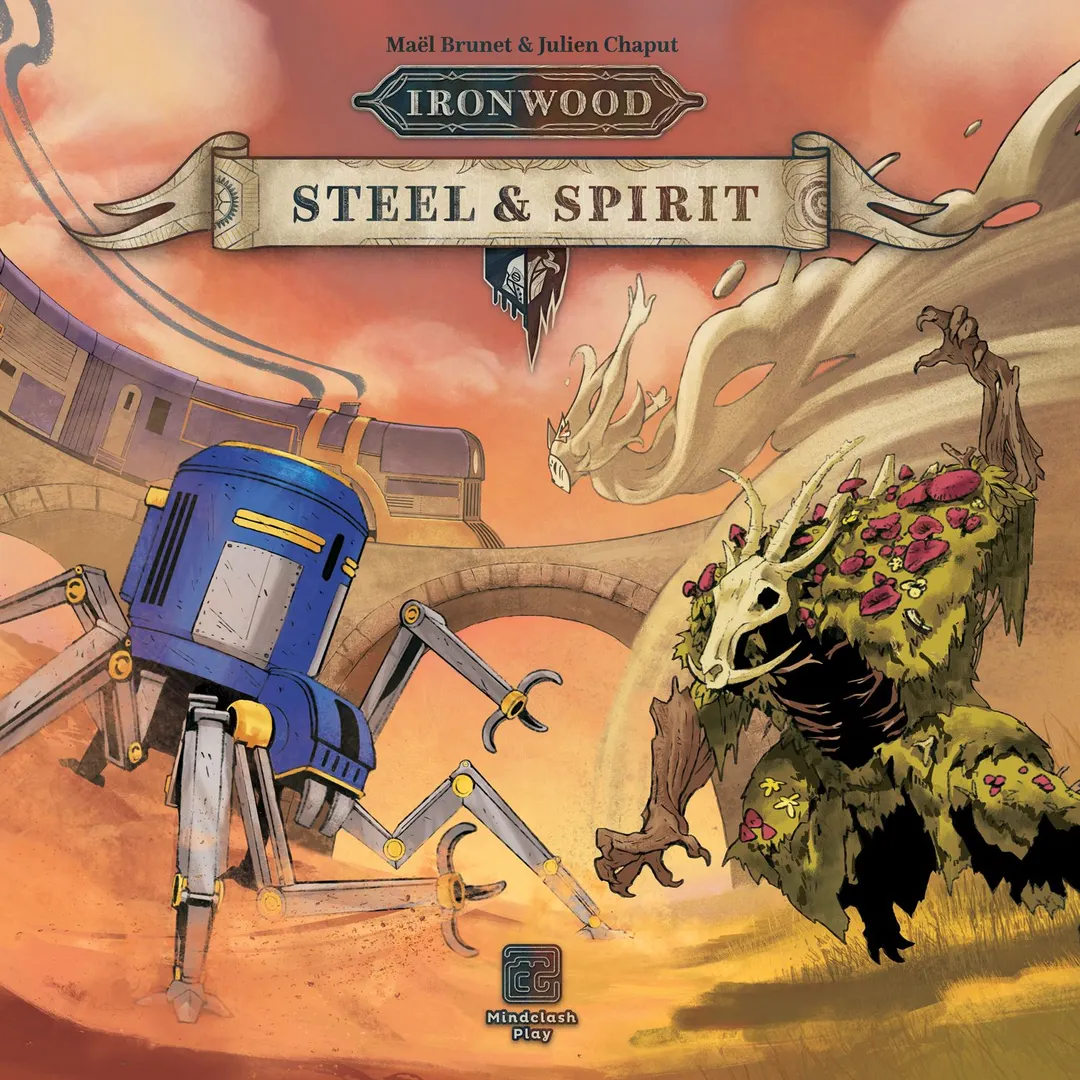
Ironwood: Steel & Spirit
- 1–2 giocatori
- 30–60 min
- 2026
2024
Aiuto con le regole di Ironwood
Spiegazioni chiare di turni, effetti delle carte e situazioni dubbie, con riferimenti alle fonti ufficiali e cronologia delle domande salvata.
Per 1 giocatore
Cosa vuoi sapere?
Le risposte vengono dal regolamento ufficiale, con la pagina da verificare.
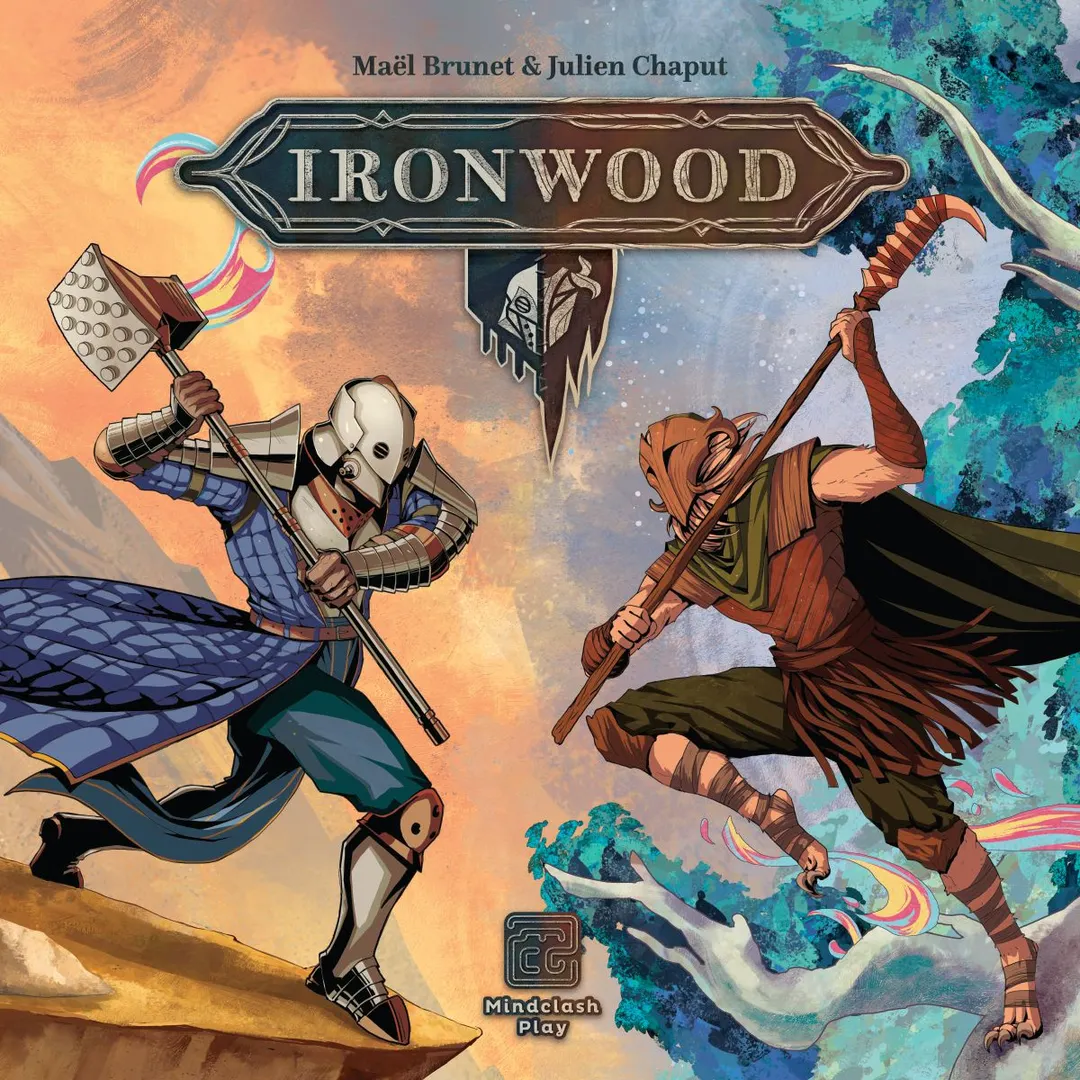
Ironwood è un gioco da tavolo pubblicato nel 2024 per 1–2 giocatori, con partite da 30 a 60 minuti e dai 12 anni in su. È stato ideato da Maël Brunet e Julien Chaput e le sue meccaniche principali sono Hand Management, Area Movement e Solo / Solitaire Game.





In inglese
An eternal conflict for the land of Ironwood is raging between two factions: the stalwart and hard-working Ironclad, settlers of the iron mountains; and the ferocious Woodwalkers, swift and deadly shadows of the forests. Both factions struggle for the ultimate control over the land for its greatest treasure: the Larimor Crystals, a mysterious substance holding immense energy within. It can be found both inside the colossal mountains and scattered across the dense forests. The Ironclad extract the essence of the crystals and process their energy to fuel their machines and mechanical inventions. If they succeed, their giant forges will swarm the land with endless armies, and establish ultimate dominance over Ironwood. The Woodwalkers use the crystals’ raw magical power to discover and retrieve three ancient totems from secret ritual sites, hidden in the mountains. Once retrieved, the combined power of these totems will summon the Guardian, the ancient protector of the woods, to wipe out the Ironclad once and for all. One way or another, the eternal conflict is finally coming to an end. Ironwood is a rules-light, highly asymmetric, card-driven tactical game for 1-2 players. Each round, you and your opponent alternate playing a total of 3 of your faction-specific cards for their action effects. These effects include positioning your warbands, initiating combat, extracting crystals, bestowing temporary passive effects, and many more. When combat occurs, you will use the same cards for their combat values instead, in a simultaneous bid to gain combat bonuses, inflict and fend off casualties, and augment the Dominance value of your warbands to win the combat. The two factions are completely asymmetric in their play styles, decks, victory conditions - even in which parts of the map they can access. As the Commander of the Ironclad, your primary goal is to lay down the foundations of your forges in the outer mountains, and once you have collected enough crystals, build forges on the foundations. As the Chieftain of the Woodwalkers, your mission is to locate your people’s ancient totems through Vision cards, clear the path to them by defeating Ironclad warbands, and finally securing them in the outer forests, beyond the Ironclads’ reach. Once you have retrieved the third totem as the Chieftain, or built the third Forge as the Commander, you immediately win the game. Ironwood also features a low-upkeep solo mode against the Ironclad or the Woodwalkers. Although both solo opponents work on the same main principles, each of them bears its faction’s unique aspects and features. —description from the publisher
Secondo il catalogo, Ironwood supporta da 1 a 2 giocatori. L’intervallo corrisponde al numero di giocatori indicato dall’editore, quindi il gioco si può preparare per qualsiasi gruppo entro quei limiti. Preparazione, alcune regole e punteggio possono comunque variare in base al numero di giocatori: controlla la configurazione esatta nel regolamento della tua edizione.
La durata indicata per Ironwood è di 30–60 minuti, la stima dell’editore per una partita completa. La durata effettiva dipende dal gruppo, dal numero di giocatori e dalla conoscenza delle regole: le prime partite durano di più, i gruppi esperti finiscono prima. Preparazione e spiegazione delle regole non sono comprese nella stima.
Il catalogo indica Ironwood dai 12 anni in su. È la raccomandazione dell’editore e tiene conto della lettura richiesta, della complessità delle regole e dei componenti piccoli, non solo del tema. I più giovani spesso possono giocare con l’aiuto di un adulto: controlla l’età consigliata sulla tua edizione e l’esperienza del tuo gruppo con i giochi da tavolo.
Ironwood ha un punteggio di complessità di 2,8 su 5 secondo i giocatori di BoardGameGeek, il che lo rende un gioco piuttosto leggero. Il punteggio riflette quanta conoscenza delle regole, pianificazione e decisioni richiede una partita tipica. I giochi impegnativi richiedono una prima spiegazione più lunga, quindi conviene usare una guida di preparazione.
Ironwood appartiene a queste categorie: Fantasy e Wargame. Le sue meccaniche principali sono Hand Management, Area Movement e Solo / Solitaire Game. Le categorie descrivono il tema e l’ambientazione di un gioco, mentre le meccaniche descrivono ciò che i giocatori fanno davvero nel proprio turno. Ogni meccanica porta a una pagina del catalogo con giochi simili.
Gli autori accreditati di Ironwood sono: Maël Brunet e Julien Chaput. Questi crediti provengono dai dati pubblicati del gioco e indicano le persone responsabili della sua progettazione, non gli illustratori o gli editori. Le pagine degli autori su MeepleRules raccolgono altri titoli degli stessi autori, utili quando un gioco ti piace e ne cerchi di simili.
Il catalogo classifica Ironwood come gioco base. Si gioca da solo con i componenti presenti nella scatola e non richiede altri titoli. Le espansioni, se esistono, aggiungono nuovo contenuto o nuove regole e sono elencate separatamente nel catalogo con un collegamento a questo gioco base.