- Posizione BGG
- BGG #1072
- Valutazione BGG
- 6,9
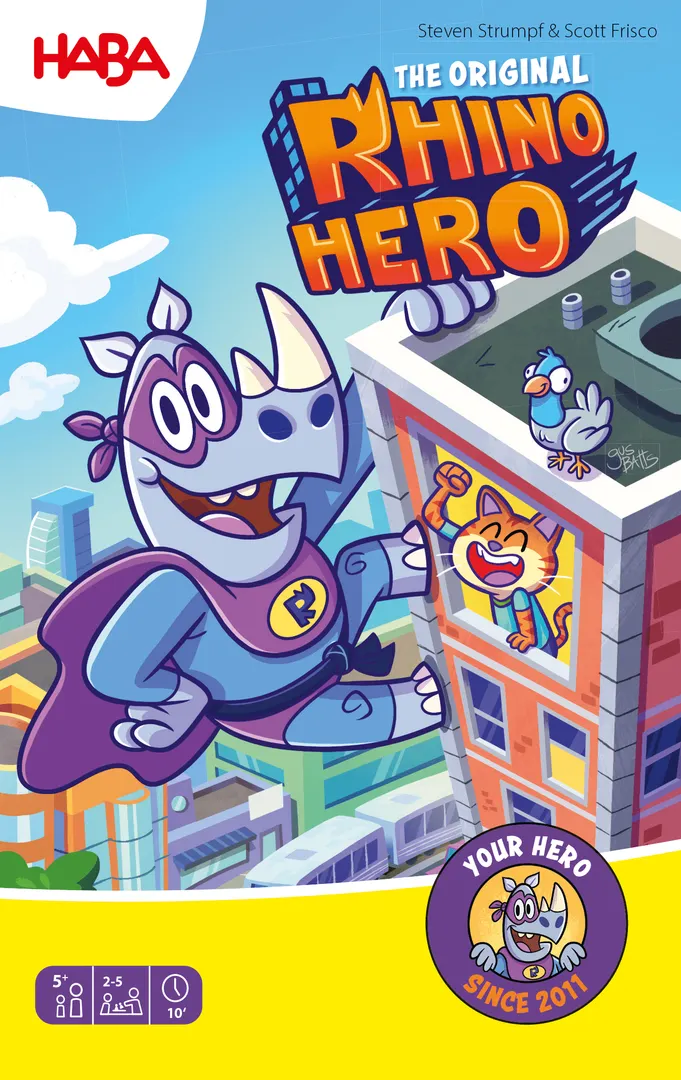
Rhino Hero
- 2–5 giocatori
- 5–15 min
- Complessità 1,0/5
- 2011
1996
Aiuto con le regole di Kings in the Corner
Spiegazioni chiare di turni, effetti delle carte e situazioni dubbie, con cronologia delle domande salvata.
Cosa vuoi sapere?
Le risposte vengono dal regolamento ufficiale, con la pagina da verificare.
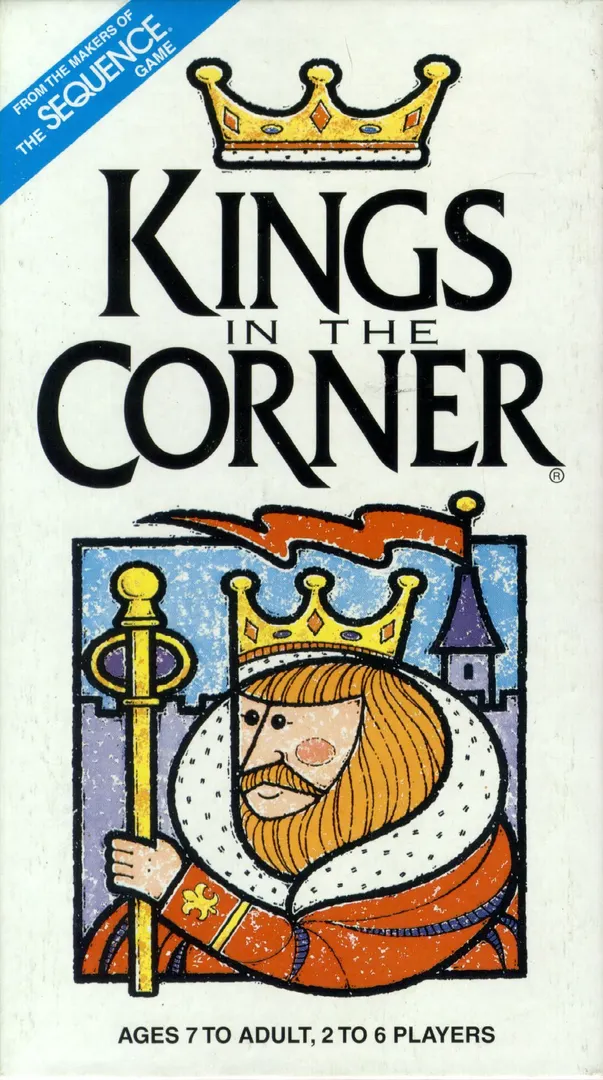
Kings in the Corner è un gioco da tavolo pubblicato nel 1996 per 2–6 giocatori, con partite da 30 minuti e dai 7 anni in su. Le sue meccaniche principali sono Hand Management.




In inglese
"Kings go in the corners. Play your cards solitaire fashion and extend your turn as long as you can. Can't make a single play? Pay the pot. First to empty your hand? You win the pot...plus your opponents' point chips for their unplayed cards! Reach 100 points? You win the game." —description from the publisher Each round, the players shuffle a regular card deck (included), deal out hands of 7 cards and divide up 80 chips among themselves. The shared central playing field is seeded with 4 cards. In turns, each player places cards from their hand into the central field using typical solitaire rules of alternating suit colors and strictly sequential cards in declining value order. Any kings cards in the initial deal or drawn later are placed in the "corner" slots at the player's first opportunity. Solitaire card chains are placed in descending order on the kings. In the retail version the central playing field is a plastic hub which has four "king" slots and four "tabbed" slots for the available places to build the chains of cards. "After one player wins the hand by being the first to get rid of all his/her cards, the other players put one chip in the pot for each of the cards remaining in their hand. The winner of the hand receives all the chips in the pot and records the number of chips for his/her score. Each chip is worth one point. All the chips are then collected to be redistributed for the next hand to be played. The first player to accumulate 100 points is the winner of the game." —description from the publisher The game length can vary quite a bit to get to 100 points for one player.
Secondo il catalogo, Kings in the Corner supporta da 2 a 6 giocatori. L’intervallo corrisponde al numero di giocatori indicato dall’editore, quindi il gioco si può preparare per qualsiasi gruppo entro quei limiti. Preparazione, alcune regole e punteggio possono comunque variare in base al numero di giocatori: controlla la configurazione esatta nel regolamento della tua edizione.
La durata indicata per Kings in the Corner è di 30 minuti, la stima dell’editore per una partita completa. La durata effettiva dipende dal gruppo, dal numero di giocatori e dalla conoscenza delle regole: le prime partite durano di più, i gruppi esperti finiscono prima. Preparazione e spiegazione delle regole non sono comprese nella stima.
Il catalogo indica Kings in the Corner dai 7 anni in su. È la raccomandazione dell’editore e tiene conto della lettura richiesta, della complessità delle regole e dei componenti piccoli, non solo del tema. I più giovani spesso possono giocare con l’aiuto di un adulto: controlla l’età consigliata sulla tua edizione e l’esperienza del tuo gruppo con i giochi da tavolo.
Kings in the Corner ha un punteggio di complessità di 1,1 su 5 secondo i giocatori di BoardGameGeek, il che lo rende un gioco leggero. Il punteggio riflette quanta conoscenza delle regole, pianificazione e decisioni richiede una partita tipica. I giochi impegnativi richiedono una prima spiegazione più lunga, quindi conviene usare una guida di preparazione.
Kings in the Corner appartiene a queste categorie: Card Game e Children's Game. Le sue meccaniche principali sono Hand Management. Le categorie descrivono il tema e l’ambientazione di un gioco, mentre le meccaniche descrivono ciò che i giocatori fanno davvero nel proprio turno. Ogni meccanica porta a una pagina del catalogo con giochi simili.
Il catalogo classifica Kings in the Corner come gioco base. Si gioca da solo con i componenti presenti nella scatola e non richiede altri titoli. Le espansioni, se esistono, aggiungono nuovo contenuto o nuove regole e sono elencate separatamente nel catalogo con un collegamento a questo gioco base.

