
- Valutazione BGG
- 7,1
Le Donjon de Naheulbeuk: La marche Barbare
- 3–6 giocatori
- 60 min
- Complessità 1,0/5
- 2012
2010
Aiuto con le regole di Le Donjon de Naheulbeuk
Spiegazioni chiare di turni, effetti delle carte e situazioni dubbie, con riferimenti alle fonti ufficiali e cronologia delle domande salvata.
Per 3 giocatori
Cosa vuoi sapere?
Le risposte vengono dal regolamento ufficiale, con la pagina da verificare.
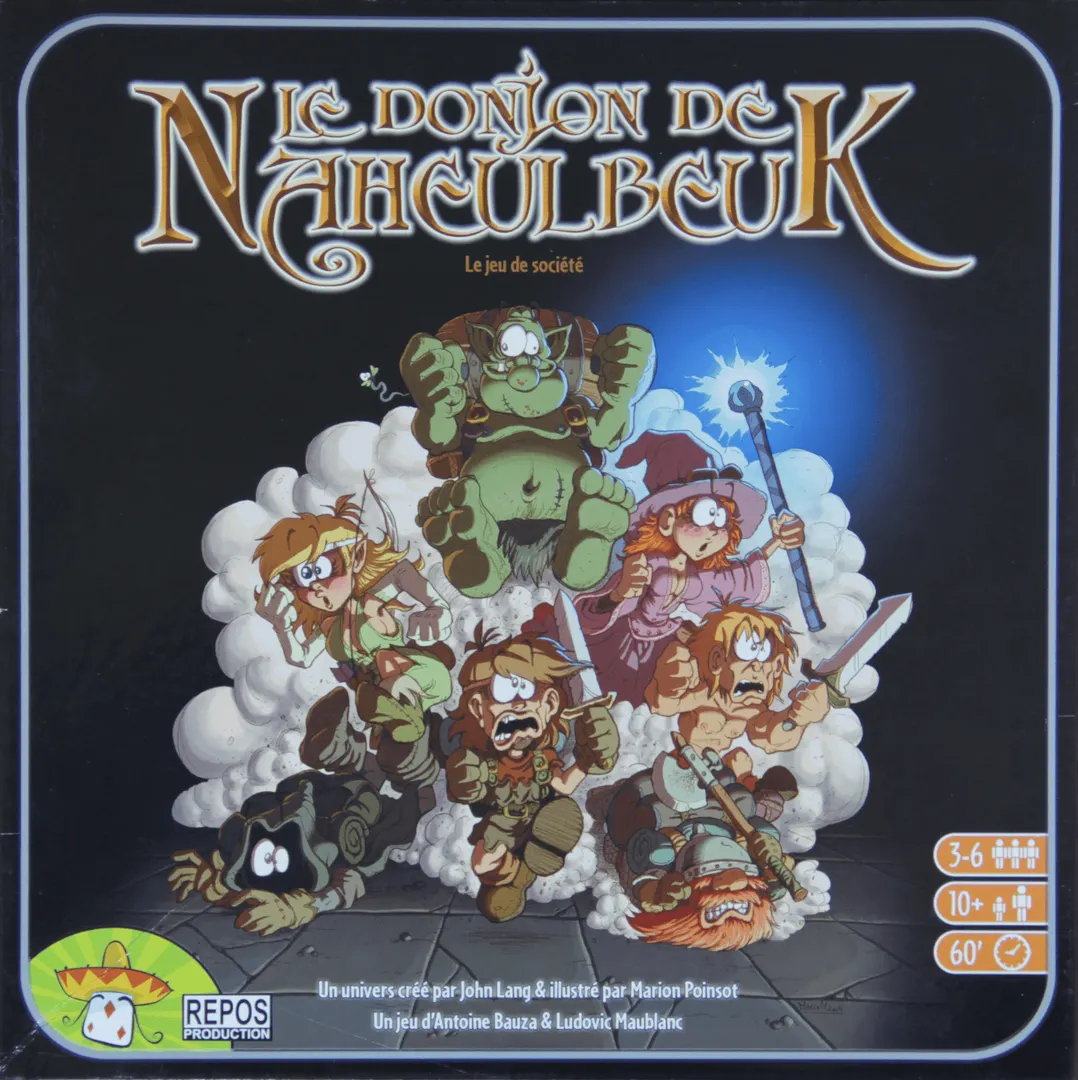
Le Donjon de Naheulbeuk è un gioco da tavolo pubblicato nel 2010 per 3–6 giocatori, con partite da 60 minuti e dai 10 anni in su. È stato ideato da Antoine Bauza e Ludovic Maublanc e le sue meccaniche principali sono Variable Player Powers e Cooperative Game.

In inglese
"Le Donjon de Naheulbeuk" is a cooperative game in which the players try to recover the last of Gladeulfeurha's statuettes. Players embody adventurers in this dungeon-crawling quest, each with a different class, skill and personality: there're the stupid barbarian, the belching ogre, the haughty sorceress, the dumb elf, the coward thief, the ever-singing bard, the cranky dwarf and the ranger who wishes he were a leader… (all the characters and elements of the game are inspired by the audio and comics saga by the same name, parodies of Fantasy RPG — à la Munchkin). In each game, the group must go through 14 of the 56 available dungeon rooms in order to defeat the powerful sorcerer Zangdar. In every room, players will face choices, skill checks or battles, and maybe rewards (as xp, gold or loot cards) There're 8 kind of skill checks, and each checks can slightly differ from the others of the same kind (number of players involved, special rule, etc.). Most of the skill checks use Destiny Tiles (which are 16 thick cards, which also represents monsters) and a special timer (with 3 difficulty levels) Balance Check: the player must put a Destiny Tile on the top of his head, walk/run around and sit down again without letting the tile fall. Climbing Check: the player must put a Destiny Tile on the top of his head, stand up on his chair, then sit down again without letting the tile fall. Dexterity Check: the player must build a house of cards using Destiny Tiles. Speed Check: the player must put a Destiny Tile on the edge of the table, then slap it up the air and catch it before it falls back down. Precision Check: a player stands 3 steps from the table, holding the game box, and the others must throw Destiny Tiles into the box from the other side of the table. Intelligence Check: players play a memory game with the 16 Destiny Tiles Coordination Check: players stands a step from the table, and must circle all the Destiny Tiles around the table, throwing them from one player to the next. Stamina Check: the player must stand on one leg, with a Destiny Tile on his other knee and another one on both of his forefingers, without dropping down either one. The battles are also timed and are played with Letter Cards, that can be exchanged one by one between 2 players. They are used to spell special words (several different words for each character) as blows to the enemy. Every time a player plays cards to spell a word, he draw 3 new cards and keep on playing. At the end of the battle, if there're enough blows, the enemy is defeated. For instance, the sorceress can cast a spell by spelling "wazaaa" with any number of a's at the end, wounding the enemy for every extra a's. The barbarian can misspell a letter in each of his word. The bard and the ranger can make other players draw cards. And so on… For every 3 cards played with a punch symbol on it, a player takes one wound him/herself. Using gold and/or xp, characters can level up (up to level 3) and gain access to more powerful attacks or skills. The party can rest up to 3 times a game to recover from one wound each. If a player dies, he shuffles his character sheet with the other available sheets and pick one : if it's the same, he recovers all his health and keep all his loot, gold and xp; if it's another one, he dies, loses everything, and continues the game as a totally new character. If the players defeat Zangdar the Sorcerer in the 14th room (4 tiles with different rules so every game doesn't end the same way), they win the game.
Secondo il catalogo, Le Donjon de Naheulbeuk supporta da 3 a 6 giocatori. L’intervallo corrisponde al numero di giocatori indicato dall’editore, quindi il gioco si può preparare per qualsiasi gruppo entro quei limiti. Preparazione, alcune regole e punteggio possono comunque variare in base al numero di giocatori: controlla la configurazione esatta nel regolamento della tua edizione.
La durata indicata per Le Donjon de Naheulbeuk è di 60 minuti, la stima dell’editore per una partita completa. La durata effettiva dipende dal gruppo, dal numero di giocatori e dalla conoscenza delle regole: le prime partite durano di più, i gruppi esperti finiscono prima. Preparazione e spiegazione delle regole non sono comprese nella stima.
Il catalogo indica Le Donjon de Naheulbeuk dai 10 anni in su. È la raccomandazione dell’editore e tiene conto della lettura richiesta, della complessità delle regole e dei componenti piccoli, non solo del tema. I più giovani spesso possono giocare con l’aiuto di un adulto: controlla l’età consigliata sulla tua edizione e l’esperienza del tuo gruppo con i giochi da tavolo.
Le Donjon de Naheulbeuk ha un punteggio di complessità di 1,8 su 5 secondo i giocatori di BoardGameGeek, il che lo rende un gioco leggero. Il punteggio riflette quanta conoscenza delle regole, pianificazione e decisioni richiede una partita tipica. I giochi impegnativi richiedono una prima spiegazione più lunga, quindi conviene usare una guida di preparazione.
Le Donjon de Naheulbeuk appartiene a queste categorie: Fantasy, Humor e Comic Book / Strip. Le sue meccaniche principali sono Variable Player Powers e Cooperative Game. Le categorie descrivono il tema e l’ambientazione di un gioco, mentre le meccaniche descrivono ciò che i giocatori fanno davvero nel proprio turno. Ogni meccanica porta a una pagina del catalogo con giochi simili.
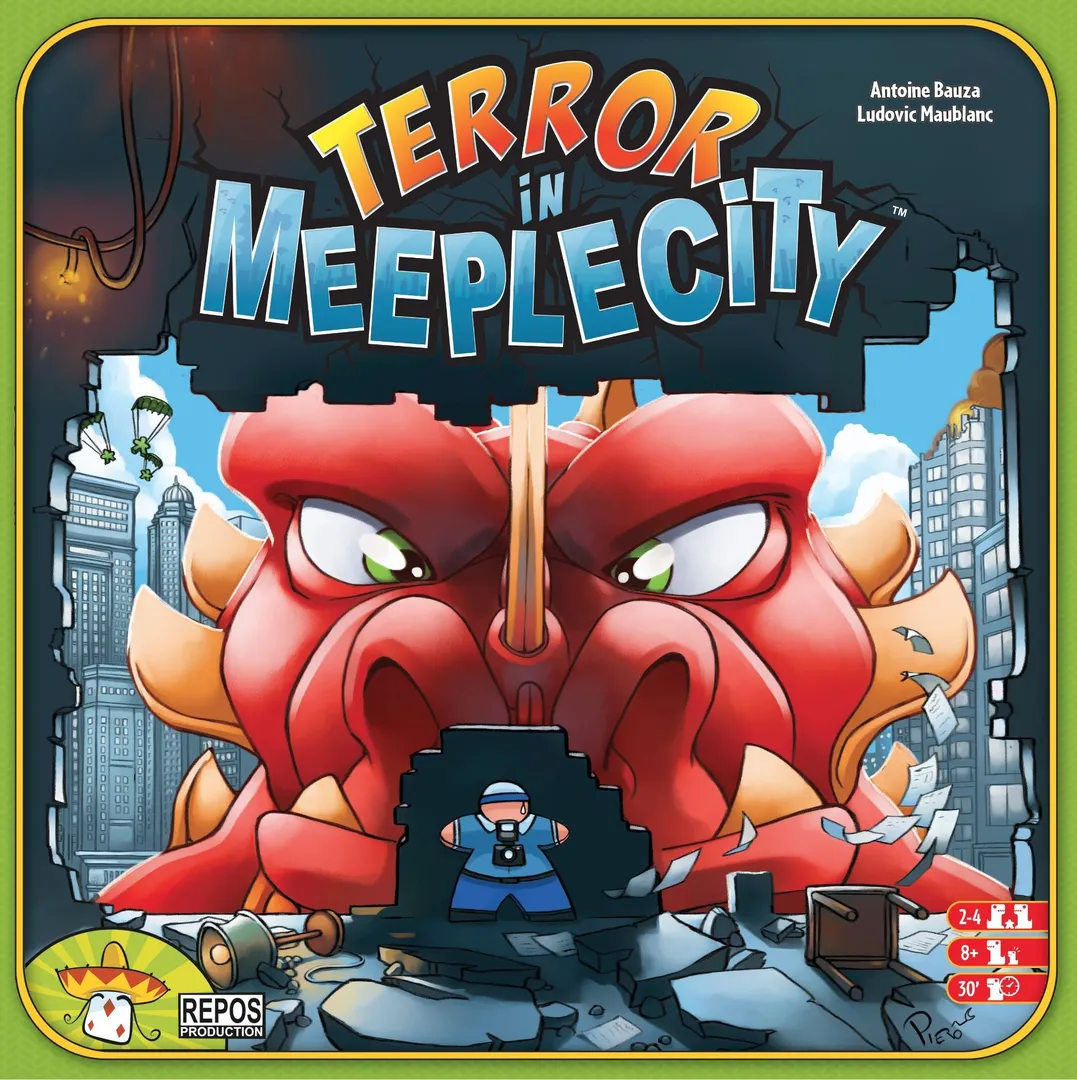
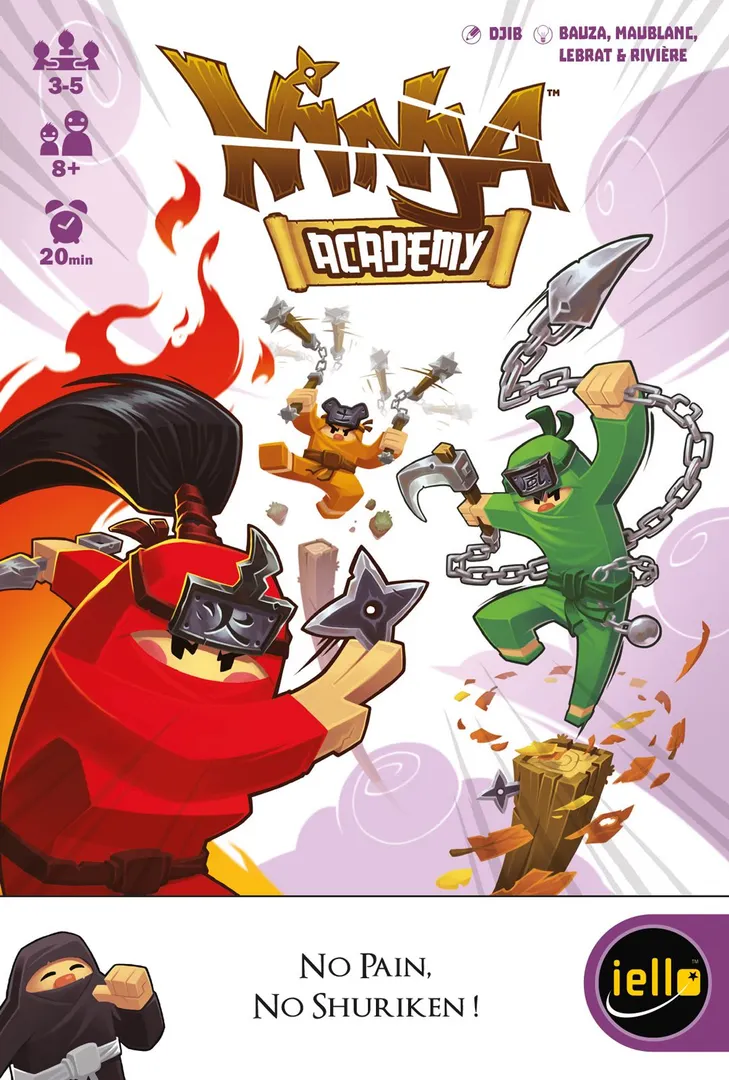
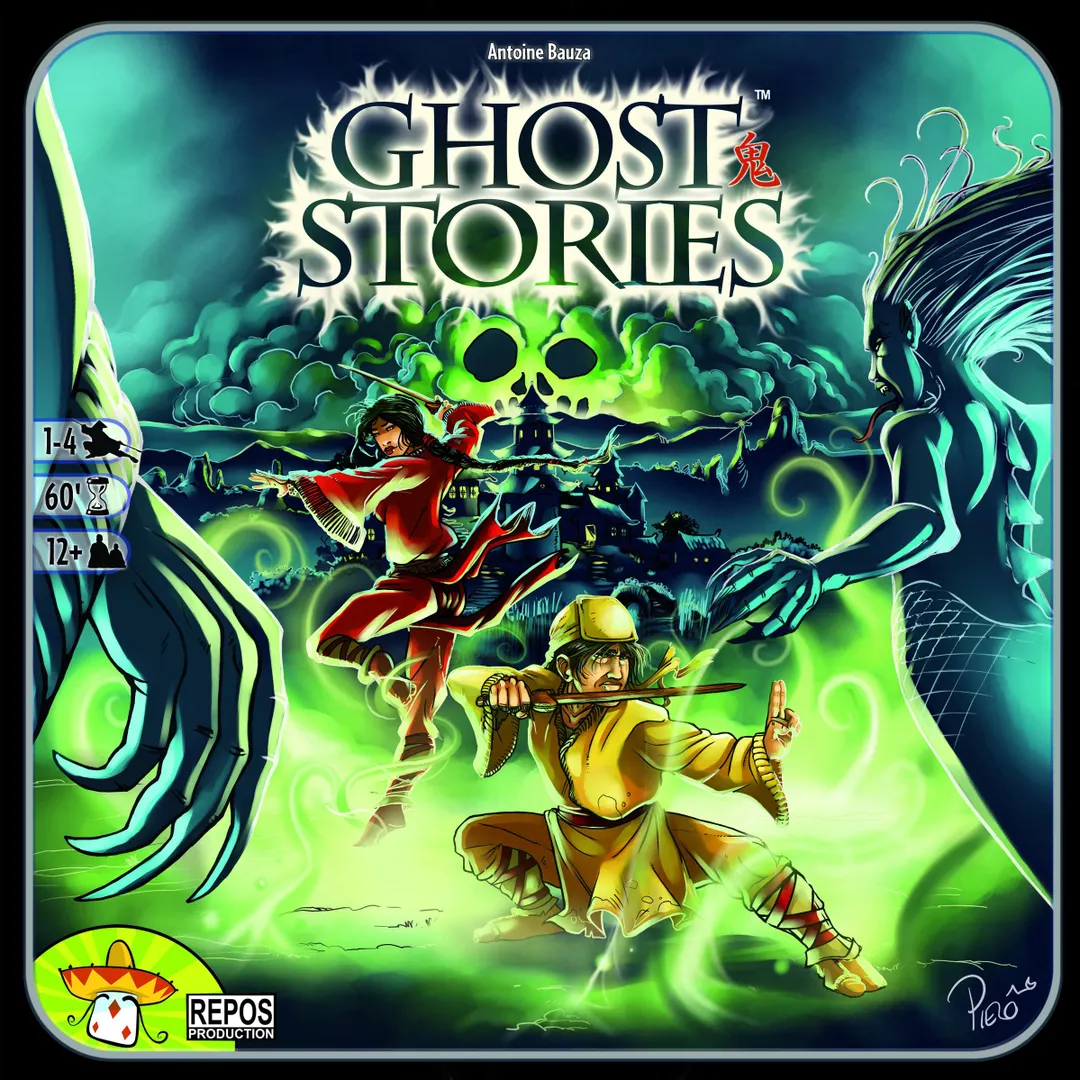
Gli autori accreditati di Le Donjon de Naheulbeuk sono: Antoine Bauza e Ludovic Maublanc. Questi crediti provengono dai dati pubblicati del gioco e indicano le persone responsabili della sua progettazione, non gli illustratori o gli editori. Le pagine degli autori su MeepleRules raccolgono altri titoli degli stessi autori, utili quando un gioco ti piace e ne cerchi di simili.
Il catalogo classifica Le Donjon de Naheulbeuk come gioco base. Si gioca da solo con i componenti presenti nella scatola e non richiede altri titoli. Le espansioni, se esistono, aggiungono nuovo contenuto o nuove regole e sono elencate separatamente nel catalogo con un collegamento a questo gioco base.