- Valutazione BGG
- 6,4
Aiuto con le regole di Lesnaja: 'The Mother of Poltava' September 29, 1708
Spiegazioni chiare di turni, effetti delle carte e situazioni dubbie, con riferimenti alle fonti ufficiali e cronologia delle domande salvata.
- 2 giocatori
- 120–180 min
- 12+
- Complessità 2,5/5

Assistente delle regole di Lesnaja: 'The Mother of Poltava' September 29, 1708
Cosa vuoi sapere?
Le risposte vengono dal regolamento ufficiale, con la pagina da verificare.
Lesnaja: 'The Mother of Poltava' September 29, 1708 è un’espansione di Peter the Great pubblicata nel 1984 per 2 giocatori, con partite da 120 a 180 minuti e dai 12 anni in su. È stato ideato da Peter Englund e le sue meccaniche principali sono Dice Rolling, Variable Set-up e Grid Movement.
Informazioni sul gioco
In inglese
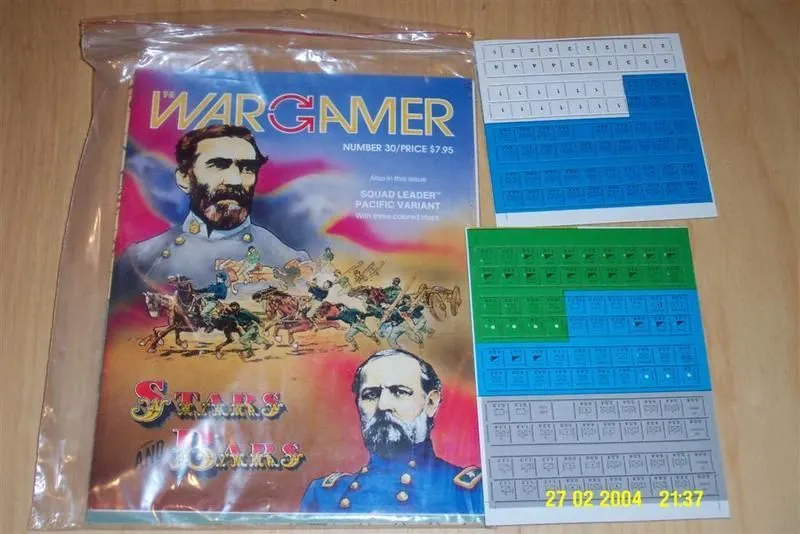
Sub-title:"the Mother of Poltava" in The Wargamer Magazine #30 and is a supplement to the "Peter the Great" game in Wargamer #27 although this is a complete & separate game in itself requiring SOME of the components from the previous game, namely the RULES section. The components for Lesnaja are: a small 8-1/2" by 11", 6-Color Mapsheet; 60-cardboard counters- (die-cut); a RULES sheet; and players must provide their OWN [6]-sided DIE prior to play. The Mapsheet has a very Light YELLOW color overall with Light BLUE (Swamps), Dark BLUE (River), Light GREEN (Groves), Dark GREEN (Woods), RED (Objective & Supply Hexes), & BLACK (Roads, Town, Bridge, Ford, Set-up Letter Hexes). The Game counters are BLUE (Swedish) & GREEN (Russian) with BLACK print on both Front & Back. The RULES sheet is just over a page in length with a Historical commentary, with NEW Terrain, Optional Rules, Victory Conditions, and any Special Rules to be used pertaining to this particular battle.
Meccaniche
Autori
Editori
- 3W (World Wide Wargames)
Domande e risposte
Secondo il catalogo, Lesnaja: 'The Mother of Poltava' September 29, 1708 supporta 2 giocatori. È il numero di giocatori indicato dall’editore, quindi il gioco è pensato esattamente per quel numero di partecipanti. Le varianti per gruppi di altre dimensioni, se esistono, sono descritte nel regolamento della tua edizione: consultalo prima di preparare una configurazione diversa.
La durata indicata per Lesnaja: 'The Mother of Poltava' September 29, 1708 è di 120–180 minuti, la stima dell’editore per una partita completa. La durata effettiva dipende dal gruppo, dal numero di giocatori e dalla conoscenza delle regole: le prime partite durano di più, i gruppi esperti finiscono prima. Preparazione e spiegazione delle regole non sono comprese nella stima.
Il catalogo indica Lesnaja: 'The Mother of Poltava' September 29, 1708 dai 12 anni in su. È la raccomandazione dell’editore e tiene conto della lettura richiesta, della complessità delle regole e dei componenti piccoli, non solo del tema. I più giovani spesso possono giocare con l’aiuto di un adulto: controlla l’età consigliata sulla tua edizione e l’esperienza del tuo gruppo con i giochi da tavolo.
Lesnaja: 'The Mother of Poltava' September 29, 1708 ha un punteggio di complessità di 2,5 su 5 secondo i giocatori di BoardGameGeek, il che lo rende un gioco piuttosto leggero. Il punteggio riflette quanta conoscenza delle regole, pianificazione e decisioni richiede una partita tipica. I giochi impegnativi richiedono una prima spiegazione più lunga, quindi conviene usare una guida di preparazione.
Lesnaja: 'The Mother of Poltava' September 29, 1708 appartiene a queste categorie: Wargame, Expansion for Base-game e Age of Reason. Le sue meccaniche principali sono Dice Rolling, Variable Set-up e Grid Movement. Le categorie descrivono il tema e l’ambientazione di un gioco, mentre le meccaniche descrivono ciò che i giocatori fanno davvero nel proprio turno. Ogni meccanica porta a una pagina del catalogo con giochi simili.
Gli autori accreditati di Lesnaja: 'The Mother of Poltava' September 29, 1708 sono: Peter Englund. Questi crediti provengono dai dati pubblicati del gioco e indicano le persone responsabili della sua progettazione, non gli illustratori o gli editori. Le pagine degli autori su MeepleRules raccolgono altri titoli degli stessi autori, utili quando un gioco ti piace e ne cerchi di simili.
Il catalogo classifica Lesnaja: 'The Mother of Poltava' September 29, 1708 come espansione di Peter the Great. Le espansioni aggiungono contenuti, regole o scenari al gioco base e di solito non si possono giocare da sole, quindi per usarla ti serve Peter the Great. Controlla che la tua edizione di Peter the Great sia compatibile, perché alcune espansioni sono state riviste tra un’edizione e l’altra.