
- Posizione BGG
- BGG #1636
- Valutazione BGG
- 7,3
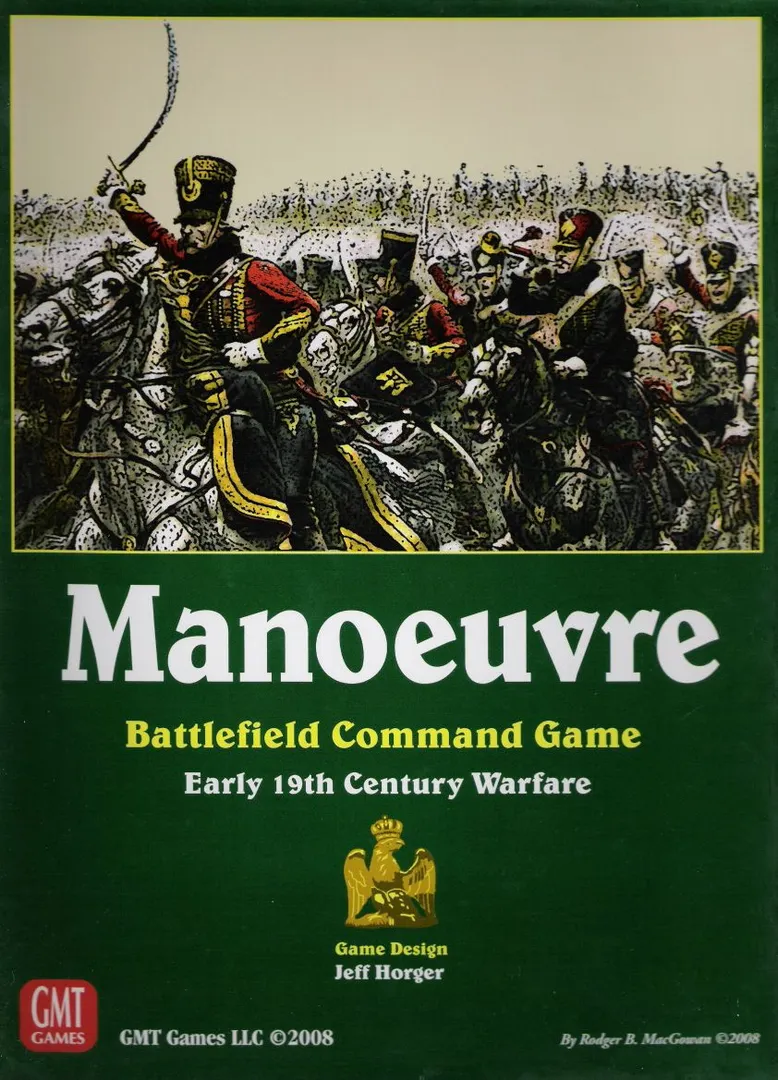
Manoeuvre
- 2 giocatori
- 60 min
- Complessità 2,1/5
- 2008
2017
Aiuto con le regole di Manoeuvre: Distant Lands
Spiegazioni chiare di turni, effetti delle carte e situazioni dubbie, con riferimenti alle fonti ufficiali e cronologia delle domande salvata.
Per 2 giocatori
Cosa vuoi sapere?
Le risposte vengono dal regolamento ufficiale, con la pagina da verificare.
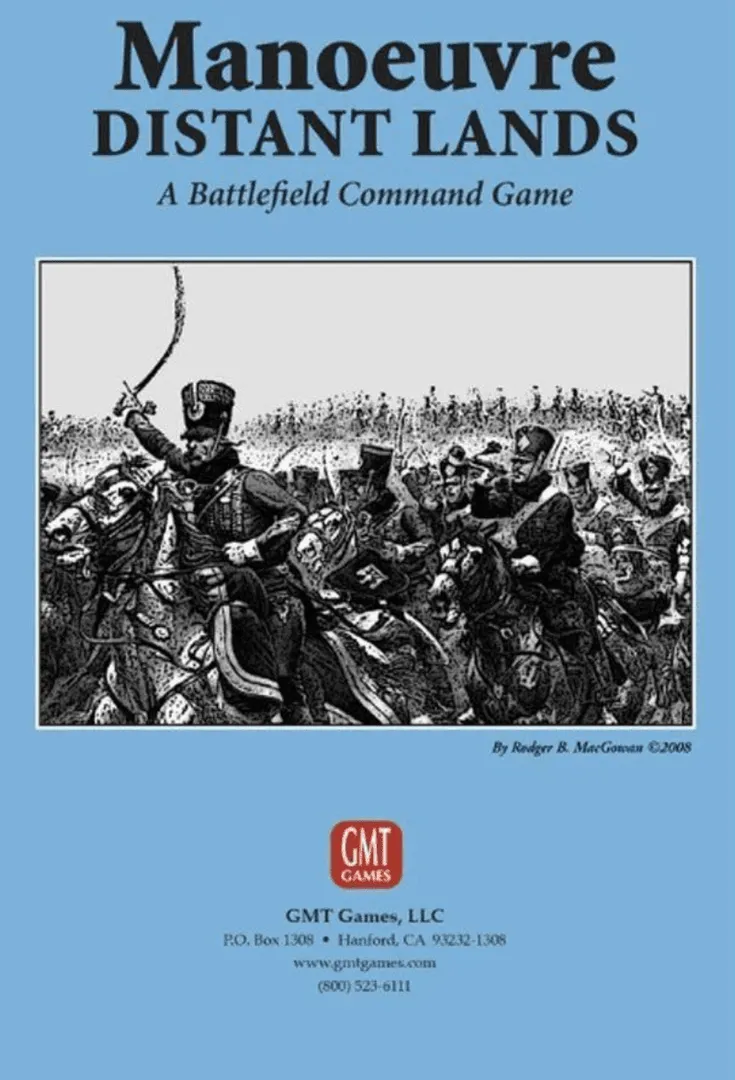
Manoeuvre: Distant Lands è un gioco da tavolo pubblicato nel 2017 per 2 giocatori, con partite da 60 minuti e dai 10 anni in su. È stato ideato da Jeff Horger e Joseph Roush e le sue meccaniche principali sono Variable Player Powers, Hand Management e Dice Rolling.

In inglese
The regiment had fought countless battles across the European continent. War had been waged in Bavaria against the Prussians, Catalonia against the Spaniards, under the great pyramids against the relentless Turk and even at New Orleans against those upstart Americans. Now new challengers have arisen and a completely foreign army is arrayed across the battlefield. The Tri-Color fluttered in the breeze as rocket shells burst in the air. A new type of warfare was about to be unleashed. Manoeuvre: Distant Lands is a stand alone expansion for Manoeuvre. Four new armies are included to allow you to bring the fight from the frozen north to the sub-continent and the mythic east. Included in this set are counters and cards for Sweden, the splintered Kingdoms of India, the Chinese 8-Banner Army and the crumbling remains of the Japanese Shogunate. Also included is a set of 8 new land tiles that will force veteran players to learn new tactics among the swamps and fields of the Orient as well as the forests of Scandinavia. Sweden: The Swedes are reminiscent of the more traditional European powers and fit nicely into the current game hierarchy to allow for more balanced tournament play. The Swedish army fits the mold of both the Prussians and Russians but falls into line just below them in overall strength. Indians: The Kingdoms of the Marathas, Mughals, Mysore and Sikhs from the Punjab have banded together to overthrow the colonial powers of the day. Their problem is overcoming the lack of a true leader that makes it difficult to set aside their rivalries and squabbling. They have speed rivaling the Ottomans but far less of a capacity to use it well. They are a true guerilla force adept at denying their opponents resources or freedom to maneuver. Tokugawa Shogunate: The Shogunate is crumbling. The army seeks to modernize against the will of the Shogun and in a few years Japan will step into the Industrial age. However, at the turn of the 19th Century, insular clans still dominated the military. Every Daimyo leads his own army into battle with their own guns, cavalry, samurai and teppo. Only the Shogun can be called on to make any Clan work with another. Beware the deadly fury of the Banzai charge and even cornered units will fight to the bitter end and the last man. China: The Chinese 8-Banner army boasts a core of elite units, including three cavalry units that can stand their ground against any European foe. Unfortunately, the Han conscripts and the peasants that form the Tuan Lian are ill-suited and under-equipped in relation to their Manchu and Mongol horsemen. Will rockets and witchcraft bring disruption to the orderly European battlefield? "I have not imagined that the Napoleonic experience can be brought to the orient!" - Thunder Wong, Playtester Extraordinaire Components: 32 Unit counters (8 for each nationality) 240 Cards (60 for each nationality) 8 Terrain tiles Rules for the new abilities and some advanced Manoeuvre additions. 3 Advance-to-Contact Counters Designers: Jeff Horger and Joe Roush
Secondo il catalogo, Manoeuvre: Distant Lands supporta 2 giocatori. È il numero di giocatori indicato dall’editore, quindi il gioco è pensato esattamente per quel numero di partecipanti. Le varianti per gruppi di altre dimensioni, se esistono, sono descritte nel regolamento della tua edizione: consultalo prima di preparare una configurazione diversa.
La durata indicata per Manoeuvre: Distant Lands è di 60 minuti, la stima dell’editore per una partita completa. La durata effettiva dipende dal gruppo, dal numero di giocatori e dalla conoscenza delle regole: le prime partite durano di più, i gruppi esperti finiscono prima. Preparazione e spiegazione delle regole non sono comprese nella stima.
Il catalogo indica Manoeuvre: Distant Lands dai 10 anni in su. È la raccomandazione dell’editore e tiene conto della lettura richiesta, della complessità delle regole e dei componenti piccoli, non solo del tema. I più giovani spesso possono giocare con l’aiuto di un adulto: controlla l’età consigliata sulla tua edizione e l’esperienza del tuo gruppo con i giochi da tavolo.
Manoeuvre: Distant Lands ha un punteggio di complessità di 2,0 su 5 secondo i giocatori di BoardGameGeek, il che lo rende un gioco piuttosto leggero. Il punteggio riflette quanta conoscenza delle regole, pianificazione e decisioni richiede una partita tipica. I giochi impegnativi richiedono una prima spiegazione più lunga, quindi conviene usare una guida di preparazione.
Manoeuvre: Distant Lands appartiene a queste categorie: Wargame e Napoleonic. Le sue meccaniche principali sono Variable Player Powers, Hand Management e Dice Rolling. Le categorie descrivono il tema e l’ambientazione di un gioco, mentre le meccaniche descrivono ciò che i giocatori fanno davvero nel proprio turno. Ogni meccanica porta a una pagina del catalogo con giochi simili.
Gli autori accreditati di Manoeuvre: Distant Lands sono: Jeff Horger e Joseph Roush. Questi crediti provengono dai dati pubblicati del gioco e indicano le persone responsabili della sua progettazione, non gli illustratori o gli editori. Le pagine degli autori su MeepleRules raccolgono altri titoli degli stessi autori, utili quando un gioco ti piace e ne cerchi di simili.
Il catalogo classifica Manoeuvre: Distant Lands come gioco base. Si gioca da solo con i componenti presenti nella scatola e non richiede altri titoli. Le espansioni, se esistono, aggiungono nuovo contenuto o nuove regole e sono elencate separatamente nel catalogo con un collegamento a questo gioco base.