
- Valutazione BGG
- 6,8
Monuments: Heroes, Traders, and Science
- 2–4 giocatori
- 60 min
- Complessità 1,0/5
- 2009
2008
Aiuto con le regole di Monuments: Wonders of Antiquity
Spiegazioni chiare di turni, effetti delle carte e situazioni dubbie, con riferimenti alle fonti ufficiali e cronologia delle domande salvata.
Per 2 giocatori
Cosa vuoi sapere?
Le risposte vengono dal regolamento ufficiale, con la pagina da verificare.
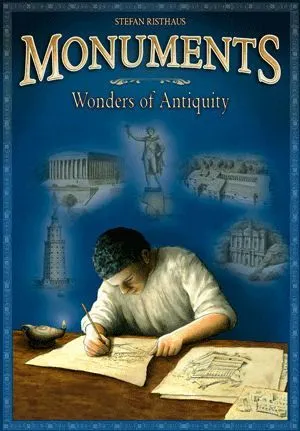
Monuments: Wonders of Antiquity è un gioco da tavolo pubblicato nel 2008 per 2–4 giocatori, con partite da 45 a 60 minuti e dai 10 anni in su. È stato ideato da Stefan Risthaus e le sue meccaniche principali sono Hand Management, Set Collection e Area Majority / Influence.




In inglese
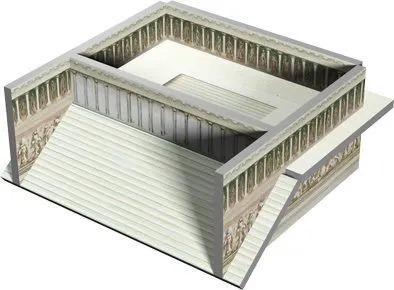
A game of building monuments and historical sources, reporting on these monuments. In order to win the game, you not only have to build the monuments, you have to make sure that history will know them - and your fellow gamers will co-decide about it! And there are copyists, who will dispute the glory you've earned for your monuments... The game shows monument cards with 12 types of ancient monuments like the Pyramids or the Colosseum (9 per type). The game is played in turns and usually you take a "monument turn," consisting of 3 actions allowing you to collect cards, to build monuments, and to expand your existing monuments. For example, it takes you one action per card to draw it either from the draw pile or the 3 faceup cards near it. If you have some cards showing the same monument, you can use another action to erect this monument in your display. In case you are the first one to build this type of monument, you only need two cards - the second player building this same type of monument must have at least 3 cards. And no third player is allowed to build the same monument! Thus, playing your cards early makes it easier for you to erect the monument. But it saves you actions to collect some cards before displaying it, because regardless of the number of cards used, erecting one monument only counts as one single action. Your monuments will receive their eternal fame only, if they are part of history. Each player has 2 (in a 3 player game: 3) historian tokens. In a historian turn, you have no monument action, but only write a history about all of your OPPONENTS' monuments (not your own ones!). Monuments get famous, and the owners receive victory points at the end of the game - the more often your monuments are in such histories, the more points you get. However, only interesting monuments of at least two cards are considered for a history, and by writing a history, the historian takes one card away (removes it from the game)! Thus the monument could be cut down to only one card during the game and will be not interesting to later historians any more. Why should I write a history and make the monuments of my opponents more worthy? If you do not use all of your historian tokens, you will be punished with 12 negative points at the end of the game! And you get additional victory points in the case that you write histories with a lot of monuments mentioned in it. You should make your monuments interesting to historians again. During a monument turn, you may use one action (regardless of the number of cards played at the same time) to add cards to a monument that you have already erected. In MONUMENTS, timing is important, and you have to decide what the best move to do now is: Should I wait for another Petra card, or shall I display the Petra Monument this turn? Is it advisable to make a historian turn now or is it better to choose a monument turn and draw the faceup cards, which I really need - taking the risk that I cannot write a history next turn and wind up getting negative points! Finally, you have to consider that you are not sure about the victory points for your monuments. The points are related to the monument during the game, and if the Akropolis monument is worth 12 Points for example, you will only get 4 points if another player manages to erect an Akropolis monument that is greater than yours. This damn copyist will not only receive all your bad wishes, but 8 of the 12 Akropolis Victory Points - even in the case that his monument was not part of any history. Somehow you will feel that all the glory should be given to you alone!
Secondo il catalogo, Monuments: Wonders of Antiquity supporta da 2 a 4 giocatori. L’intervallo corrisponde al numero di giocatori indicato dall’editore, quindi il gioco si può preparare per qualsiasi gruppo entro quei limiti. Preparazione, alcune regole e punteggio possono comunque variare in base al numero di giocatori: controlla la configurazione esatta nel regolamento della tua edizione.
La durata indicata per Monuments: Wonders of Antiquity è di 45–60 minuti, la stima dell’editore per una partita completa. La durata effettiva dipende dal gruppo, dal numero di giocatori e dalla conoscenza delle regole: le prime partite durano di più, i gruppi esperti finiscono prima. Preparazione e spiegazione delle regole non sono comprese nella stima.
Il catalogo indica Monuments: Wonders of Antiquity dai 10 anni in su. È la raccomandazione dell’editore e tiene conto della lettura richiesta, della complessità delle regole e dei componenti piccoli, non solo del tema. I più giovani spesso possono giocare con l’aiuto di un adulto: controlla l’età consigliata sulla tua edizione e l’esperienza del tuo gruppo con i giochi da tavolo.
Monuments: Wonders of Antiquity ha un punteggio di complessità di 2,4 su 5 secondo i giocatori di BoardGameGeek, il che lo rende un gioco piuttosto leggero. Il punteggio riflette quanta conoscenza delle regole, pianificazione e decisioni richiede una partita tipica. I giochi impegnativi richiedono una prima spiegazione più lunga, quindi conviene usare una guida di preparazione.
Monuments: Wonders of Antiquity appartiene a queste categorie: Ancient. Le sue meccaniche principali sono Hand Management, Set Collection e Area Majority / Influence. Le categorie descrivono il tema e l’ambientazione di un gioco, mentre le meccaniche descrivono ciò che i giocatori fanno davvero nel proprio turno. Ogni meccanica porta a una pagina del catalogo con giochi simili.
Gli autori accreditati di Monuments: Wonders of Antiquity sono: Stefan Risthaus. Questi crediti provengono dai dati pubblicati del gioco e indicano le persone responsabili della sua progettazione, non gli illustratori o gli editori. Le pagine degli autori su MeepleRules raccolgono altri titoli degli stessi autori, utili quando un gioco ti piace e ne cerchi di simili.
Il catalogo classifica Monuments: Wonders of Antiquity come gioco base. Si gioca da solo con i componenti presenti nella scatola e non richiede altri titoli. Le espansioni, se esistono, aggiungono nuovo contenuto o nuove regole e sono elencate separatamente nel catalogo con un collegamento a questo gioco base.