
- Posizione BGG
- BGG #13.103
- Valutazione BGG
- 7,2
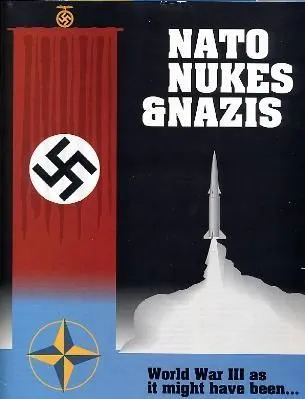
NATO, Nukes & Nazis
- 2 giocatori
- 180 min
- Complessità 3,8/5
- 1990
2012
Aiuto con le regole di Oil War: Iran Strikes
Spiegazioni chiare di turni, effetti delle carte e situazioni dubbie, con riferimenti alle fonti ufficiali e cronologia delle domande salvata.
Per 1 giocatore
Cosa vuoi sapere?
Le risposte vengono dal regolamento ufficiale, con la pagina da verificare.
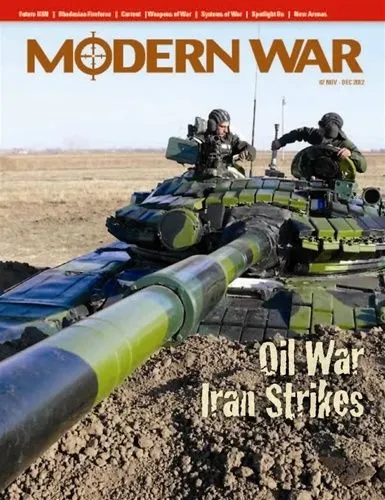
Oil War: Iran Strikes è un gioco da tavolo pubblicato nel 2012 per 1–2 giocatori. È stato ideato da Ty Bomba e le sue meccaniche principali sono Hexagon Grid.
In inglese
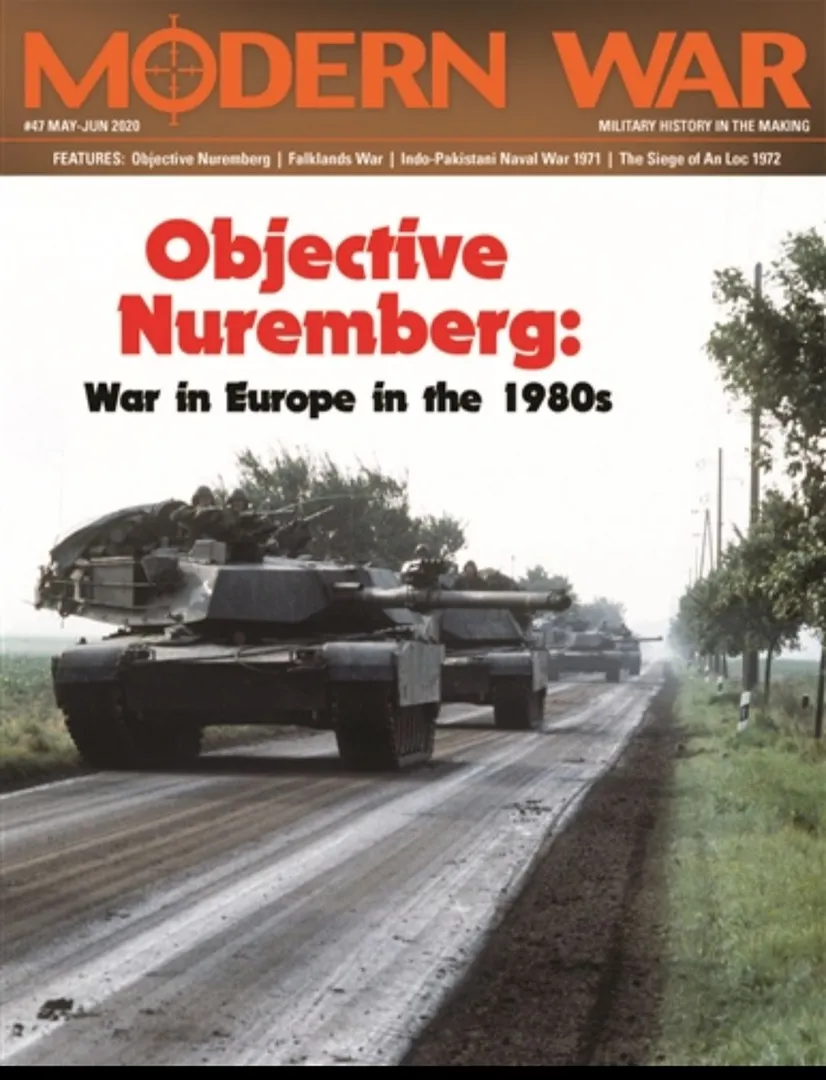
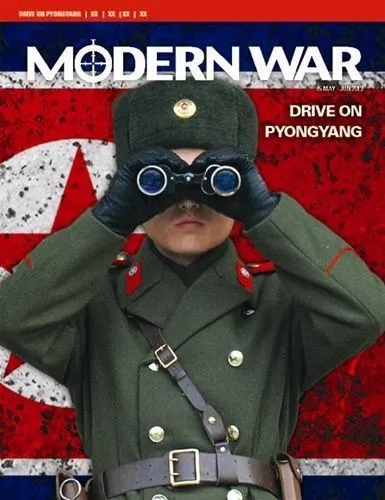
This near-future what-if wargame, designed by Ty Bomba, is an update and expansion of the classic old-SPI Oil War game from the mid-1970s. It has been released on the magazine Modern War. It examines an Iranian strategic alternative that’s becoming increasingly plausible in light of the draw down of US military strength in the Middle East. That is, just as it did in Cold War Europe, the prospect of both sides having nuclear weapons in this “zone of confrontation” may work to create a deterrent umbrella that, at least for some time, could allow for a potentially decisive conventional war to go on underneath the threat of “mutually assured destruction.” Oil War: Iran Strikes (OW) is a low-intermediate complexity design set in a timeframe of the near future – 2013 through 2017 – in which the Iranians may indeed have developed some kind of nuclear capability. At that same time, with the “War on Terror” having likely slithered to an indecisive end by then, and the US therefore likely fallen back into another post-Vietnam-type “neo-isolationist” phase, the possibility for a blitz-style Iranian conventional military victory – aimed at establishing and certifying Tehran as the hegemon of the Gulf region – moves to the fore. OW examines the strategic and operational possibilities and parameters inherent in the opening Iranian offensive of such a war. There are no rules for the use of atomic bombs or other weapons of mass destruction (WMD). The situation is on such a hair trigger in regard to that aspect of things, if one such weapon were to go off, many more detonations would be certain to follow. The idea is for Iran to gain a victory without resorting to “game changing” WMD. Each hex on the map equals 18 miles (30 km) from side to opposite side, and its coverage stretches from Turkey in the north to the UAE in the south, and from the Iranian border and Persian Gulf on the east to Baghdad and Riyadh on the west. Each game turn represents three days, with a full match covering the first month of the war. Units of maneuver are corps, divisions, brigades, and US brigade combat teams (BCT) of various kinds, each containing from about 5,000 to 15,000 men and/or 50 to 400 armored fighting vehicles or helicopters. The most up-to-date data available have been used to establish each participant country’s detailed order or battle, including the Iranian regular army (Artesh), Basij (martyr force) and Revolutionary Guards, along with the ground forces of Iraq (loyalist and insurgent militias and regulars, Kurds, and the “elite” Quick Reaction Force). There are also the armies of Kuwait, Saudi Arabia, Qatar, Bahrain, the UAE, Syria, Turkey and, of course, the US. Special rules cover such things as: sudden death victories and victories on points, variable phase sequences, US naval supremacy, unique Saudi combat5 characteristics, geographic and multi-national movement and combat restrictions, US locking zones of control, US bases, Kuwaiti border defenses, Iraqi unit defections, Al Qods terror attacks, massed Basij suicide attacks, Basra’s critical logistical status, Iranian airborne and marine units, artillery, combat engineers, airpower, UN intervention, unique US BCT capabilities, the legend of the 12th Imam, and much more.
Secondo il catalogo, Oil War: Iran Strikes supporta da 1 a 2 giocatori. L’intervallo corrisponde al numero di giocatori indicato dall’editore, quindi il gioco si può preparare per qualsiasi gruppo entro quei limiti. Preparazione, alcune regole e punteggio possono comunque variare in base al numero di giocatori: controlla la configurazione esatta nel regolamento della tua edizione.
Oil War: Iran Strikes ha un punteggio di complessità di 2,3 su 5 secondo i giocatori di BoardGameGeek, il che lo rende un gioco piuttosto leggero. Il punteggio riflette quanta conoscenza delle regole, pianificazione e decisioni richiede una partita tipica. I giochi impegnativi richiedono una prima spiegazione più lunga, quindi conviene usare una guida di preparazione.
Oil War: Iran Strikes appartiene a queste categorie: Wargame e Modern Warfare. Le sue meccaniche principali sono Hexagon Grid. Le categorie descrivono il tema e l’ambientazione di un gioco, mentre le meccaniche descrivono ciò che i giocatori fanno davvero nel proprio turno. Ogni meccanica porta a una pagina del catalogo con giochi simili.
Gli autori accreditati di Oil War: Iran Strikes sono: Ty Bomba. Questi crediti provengono dai dati pubblicati del gioco e indicano le persone responsabili della sua progettazione, non gli illustratori o gli editori. Le pagine degli autori su MeepleRules raccolgono altri titoli degli stessi autori, utili quando un gioco ti piace e ne cerchi di simili.
Il catalogo classifica Oil War: Iran Strikes come gioco base. Si gioca da solo con i componenti presenti nella scatola e non richiede altri titoli. Le espansioni, se esistono, aggiungono nuovo contenuto o nuove regole e sono elencate separatamente nel catalogo con un collegamento a questo gioco base.