

- Posizione BGG
- BGG #12.851
- Valutazione BGG
- 7,8
Korsun Pocket: Little Stalingrad on the Dnepr
- 2–6 giocatori
- 360–6000 min
- Complessità 4,3/5
- 1979

1997
Aiuto con le regole di Operation Spark: the Relief of Leningrad 1943
Spiegazioni chiare di turni, effetti delle carte e situazioni dubbie, con riferimenti alle fonti ufficiali e cronologia delle domande salvata.
Per 2 giocatori
Cosa vuoi sapere?
Le risposte vengono dal regolamento ufficiale, con la pagina da verificare.
Operation Spark: the Relief of Leningrad 1943 è un gioco da tavolo pubblicato nel 1997 per 2 giocatori e con partite da 180 minuti. È stato ideato da Jack Radey e le sue meccaniche principali sono Dice Rolling e Hexagon Grid.




In inglese
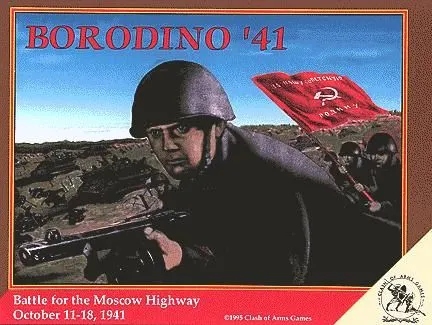
"Operation Spark: The Relief of Leningrad 1943", is a simulation of the Soviet military offensive (Operation Iskra) during World War II, designed to break the German Wehrmacht's Siege of Leningrad. Planning for the operation began shortly after the failure of the Sinyavino Offensive. The German defeat in the Battle of Stalingrad in late 1942 had weakened the German front. By January 1943, Soviet forces were planning or conducting offensive operations across the entire German-Soviet front, especially in southern Russia, Iskra being the northern part of the wider Soviet 1942–1943 winter counter offensive The city of Leningrad, second largest in the USSR, had been cut off by the Germans since September 8, 1941. Now, sixteen months later, the Soviets were about to make their third attempt to relieve the city. The first attack in January 1942 had led to the mauling of the 2nd Shock Army in the swamps to the south, and a second failure between Sinyavino and Mga in the summer of 1942 had also taken heavy casualties, although it had completely derailed von Manstein's planned assault on the city itself. Now in January of 1943 the Red Army was set to try again. Uses the same game system rules as the following Clash of Arms Games wargames, the award winning Black Sea Black Death, Aachen and Borodino '41. The game is set in a frozen peat bog, bordered by a frozen lake and a frozen river, is a slugging match. German fortified lines cut through the snow filled woods and encircle the worker's settlements and the critical Sinyabino Heights. The Red Army appears for the most part in regiment sized units of riflemen, artillery and heavy mortars, backed up by battalions of tanks (half of them light T-60s), skiers, marines, engineers, as well as by naval artillery, air power, and a few odd units like aerosans and observation balloons. The Germans have most of their units in infantry and artillery battalions, backed up by companies of Tiger and Pzkw.III tanks, deadly 88mm flak guns, and STUG IIIs. The Germans also field everything from a battalion of Spanish fascists to a railroad battery. They also field battalions of heavy artillery, nebelwerfers, and captured French coastal guns, as well as mountain troops, jaegers, the SS Polizei Division, and several overstrength independent regiments plus their Tiger tanks (here seen in their debut performance). Game Scale: Turn: Impulses = 4-5 hours, 5-6 impulses per day Hex: 880 yards / 804 meters Units: Company to Regiment Game Inventory: One 22 x 34" full-color mapsheets Three dual-side printed countersheets (2 combat, 1 markers - 620 1/2" counters) One 32-page Operation Spark rules booklet Six Player Aid cards Two 10-sided dice Players: 1 or more Playing Time: 2-20 hours Complexity: Medium Solitaire Suitability: Moderate
Secondo il catalogo, Operation Spark: the Relief of Leningrad 1943 supporta 2 giocatori. È il numero di giocatori indicato dall’editore, quindi il gioco è pensato esattamente per quel numero di partecipanti. Le varianti per gruppi di altre dimensioni, se esistono, sono descritte nel regolamento della tua edizione: consultalo prima di preparare una configurazione diversa.
La durata indicata per Operation Spark: the Relief of Leningrad 1943 è di 180 minuti, la stima dell’editore per una partita completa. La durata effettiva dipende dal gruppo, dal numero di giocatori e dalla conoscenza delle regole: le prime partite durano di più, i gruppi esperti finiscono prima. Preparazione e spiegazione delle regole non sono comprese nella stima.
Operation Spark: the Relief of Leningrad 1943 ha un punteggio di complessità di 3,8 su 5 secondo i giocatori di BoardGameGeek, il che lo rende un gioco impegnativo. Il punteggio riflette quanta conoscenza delle regole, pianificazione e decisioni richiede una partita tipica. I giochi impegnativi richiedono una prima spiegazione più lunga, quindi conviene usare una guida di preparazione.
Operation Spark: the Relief of Leningrad 1943 appartiene a queste categorie: Wargame e World War II. Le sue meccaniche principali sono Dice Rolling e Hexagon Grid. Le categorie descrivono il tema e l’ambientazione di un gioco, mentre le meccaniche descrivono ciò che i giocatori fanno davvero nel proprio turno. Ogni meccanica porta a una pagina del catalogo con giochi simili.
Gli autori accreditati di Operation Spark: the Relief of Leningrad 1943 sono: Jack Radey. Questi crediti provengono dai dati pubblicati del gioco e indicano le persone responsabili della sua progettazione, non gli illustratori o gli editori. Le pagine degli autori su MeepleRules raccolgono altri titoli degli stessi autori, utili quando un gioco ti piace e ne cerchi di simili.
Il catalogo classifica Operation Spark: the Relief of Leningrad 1943 come gioco base. Si gioca da solo con i componenti presenti nella scatola e non richiede altri titoli. Le espansioni, se esistono, aggiungono nuovo contenuto o nuove regole e sono elencate separatamente nel catalogo con un collegamento a questo gioco base.