
- Posizione BGG
- BGG #12.123
- Valutazione BGG
- 6,3
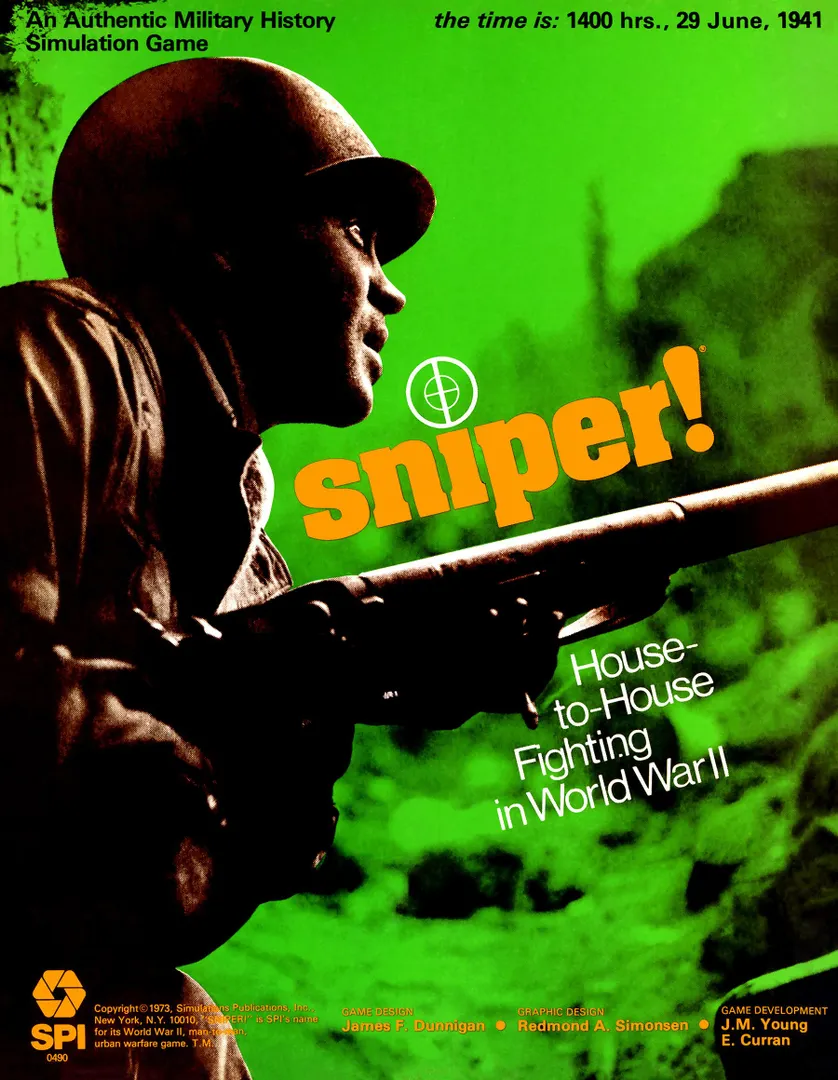
Sniper!
- 2 giocatori
- 180 min
- Complessità 3,3/5
- 1973
1974
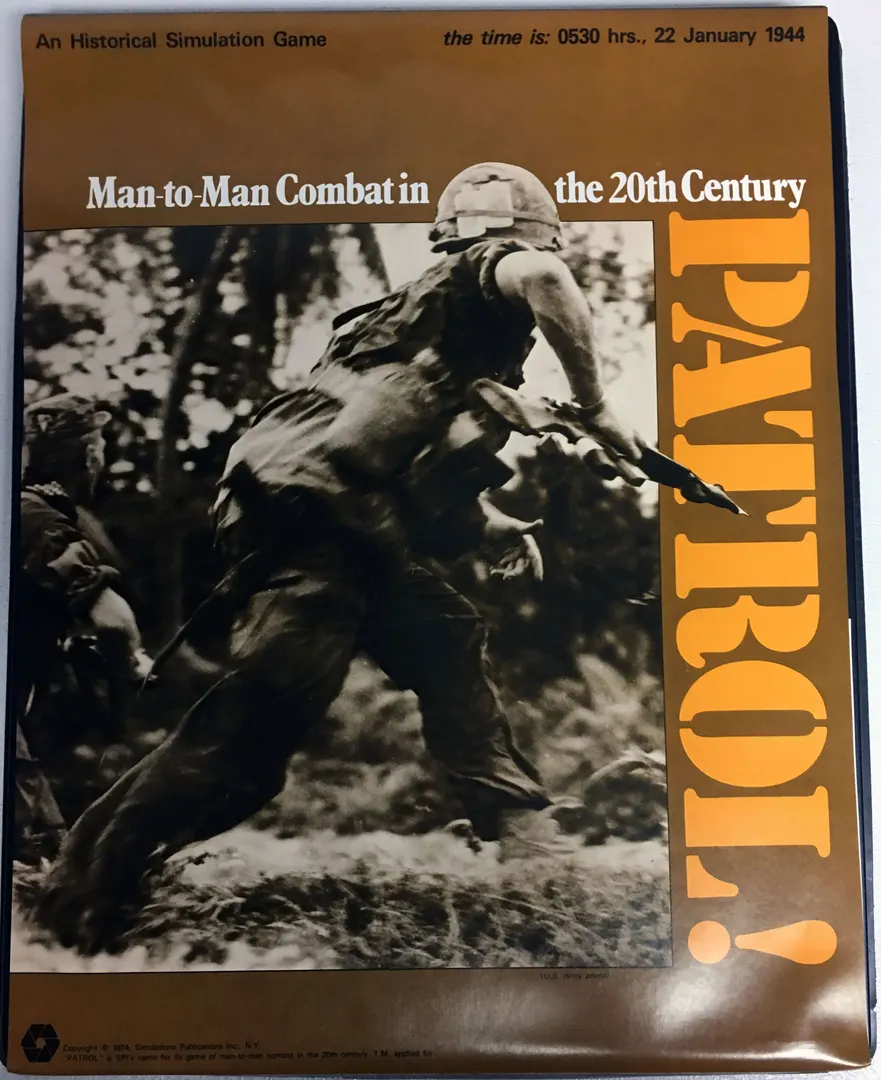
Aiuto con le regole di Patrol!: Man-to-Man Combat in the 20th Century
Spiegazioni chiare di turni, effetti delle carte e situazioni dubbie, con riferimenti alle fonti ufficiali e cronologia delle domande salvata.
Per 1 giocatore
Cosa vuoi sapere?
Le risposte vengono dal regolamento ufficiale, con la pagina da verificare.
Patrol!: Man-to-Man Combat in the 20th Century è un gioco da tavolo pubblicato nel 1974 per 1–3 giocatori, con partite da 240 minuti e dai 12 anni in su. È stato ideato da Jim Dunnigan e le sue meccaniche principali sono Dice Rolling, Variable Set-up e Simultaneous Action Selection.



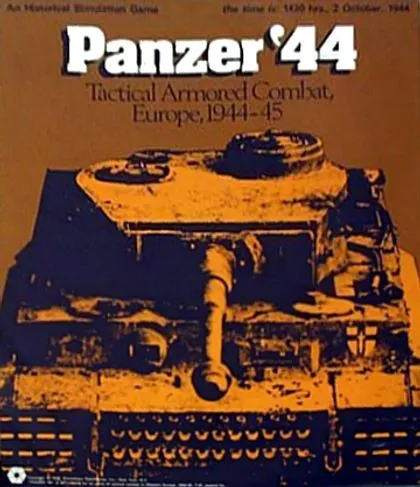


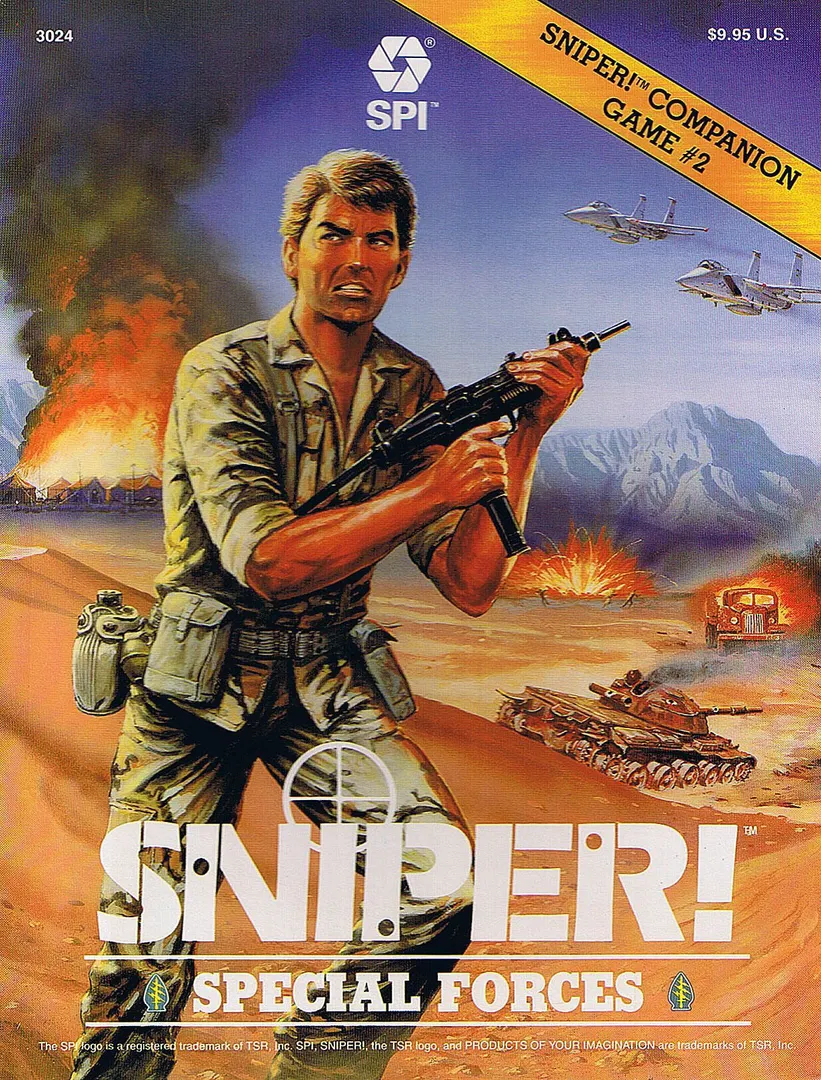
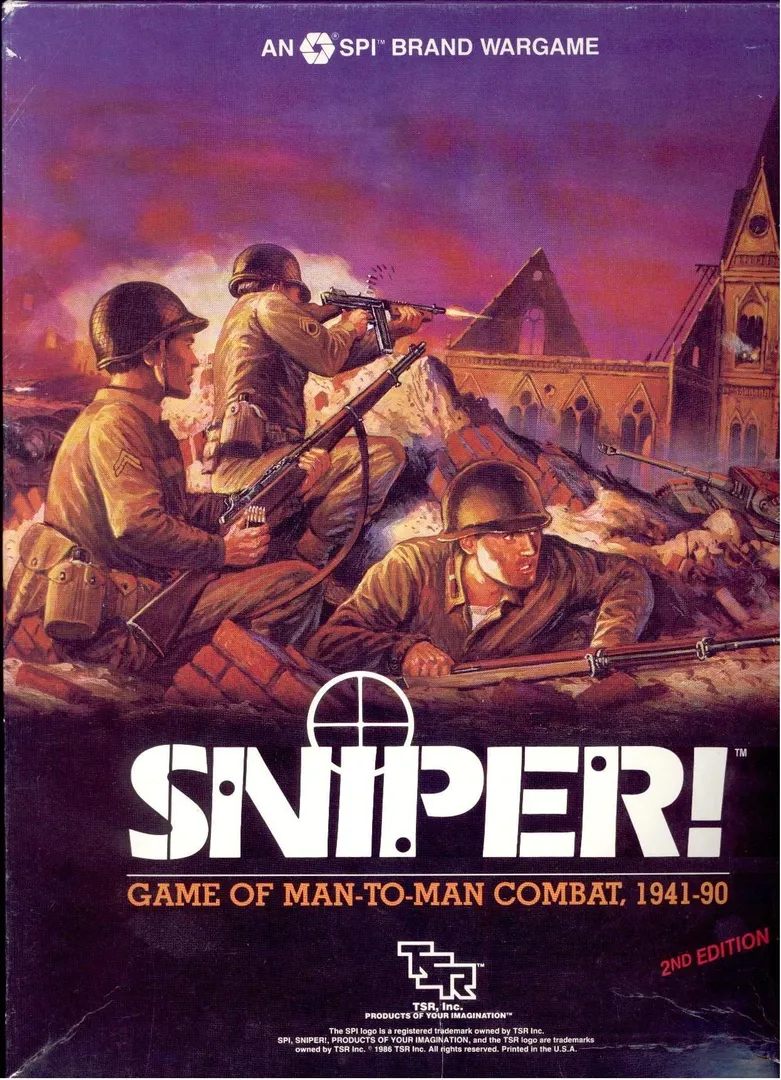

In inglese
Patrol: Man-to-Man Combat in the 20th Century, is an individual man level simulation of non-urban infantry combat from World War 1 to the present. The game features various scenarios in which the average infantry squad would become involved. Typical scenarios simulate meeting engagements, ambushes, raids, snatch missions and assualts on fortified positions. Sequel to the game Sniper! Popular tactical combat system. As in Sniper, each player controls the equivalent of a squad of 5 to 15 men depending on the period, the scenario, and whether you attack or defend. One scenario corresponds to a few (one to five) minutes of real time action. The scale is a little larger than in Sniper (5 meters/hex, 5 seconds/turn vs 3 and 3 in Sniper), and there is no facing. The game system (though rated 7.1, ie pretty high, on SPI complexity scale), is quite straightforward and easy to learn. In the beginning of each turn, players secretly "buy" actions for all of their men. A normal man has 10 Movement Points to expend per turn. Fire, direct or opportunity, consumes all MP, as reloading one's weapon, or rearming (ie readying to use it after throwing a grenade or shooting a rifle grenade). Standing up, preparing a grenade, throwing it, cost 5MP. And movement costs MP depending on terrain... After all actions have been plotted, players check for panic: a certain percentage of all your men, depending on their hex number, have their actions canceled, or move randomly. (although very annoying, this rule does wonders at simulating low level control problems). Then, all remaining actions are performed: combat, movement, and finally grenade and artillery impacts. Rules cover a large variety of equipment: weapons like rifles, MP, MG, rocket launchers, grenade launchers and flamethrowers, but also barbed wire, pillboxes, artillery, mines, and up to one vehicle (APC or tank) per side. Five kind of combat situations are covered: patrol, reconnaissance, ambush, raid and assault. Some lending themselves quite well to solitaire play. A large number of scenarios (from WWI to modern) are provided, and you can easily design your own. A standard scenario plays in a couple of hours. Altogether, I think the system is pretty good for such a man to man combat situation. However, be warned that this very detailed scale has a peculiar feeling, which not all "tactical" game players (ie players used to ASL or Gamers TCS, which focus on company/battalion level units) will like: in Patrol! the player is a sergeant, not a captain. review by: Francois Charton Game Scale: Game Turn: 5 seconds to 5 minutes Hex: 5.4 yards / 5 meters Units: Individual Soldiers & Vehicles Game Inventory: Six 9 x 9" four color maps One dual-side printed countersheet (400 1/2" counters) One 32-page Patrol rulebook Foure Player Aids Cards Two 6-sided dice Solitaire Playability: Medium Complexity Level: Medium Players: 1 or more Playing Time: 2-6 hours
Secondo il catalogo, Patrol!: Man-to-Man Combat in the 20th Century supporta da 1 a 3 giocatori. L’intervallo corrisponde al numero di giocatori indicato dall’editore, quindi il gioco si può preparare per qualsiasi gruppo entro quei limiti. Preparazione, alcune regole e punteggio possono comunque variare in base al numero di giocatori: controlla la configurazione esatta nel regolamento della tua edizione.
La durata indicata per Patrol!: Man-to-Man Combat in the 20th Century è di 240 minuti, la stima dell’editore per una partita completa. La durata effettiva dipende dal gruppo, dal numero di giocatori e dalla conoscenza delle regole: le prime partite durano di più, i gruppi esperti finiscono prima. Preparazione e spiegazione delle regole non sono comprese nella stima.
Il catalogo indica Patrol!: Man-to-Man Combat in the 20th Century dai 12 anni in su. È la raccomandazione dell’editore e tiene conto della lettura richiesta, della complessità delle regole e dei componenti piccoli, non solo del tema. I più giovani spesso possono giocare con l’aiuto di un adulto: controlla l’età consigliata sulla tua edizione e l’esperienza del tuo gruppo con i giochi da tavolo.
Patrol!: Man-to-Man Combat in the 20th Century ha un punteggio di complessità di 3,3 su 5 secondo i giocatori di BoardGameGeek, il che lo rende un gioco di media complessità. Il punteggio riflette quanta conoscenza delle regole, pianificazione e decisioni richiede una partita tipica. I giochi impegnativi richiedono una prima spiegazione più lunga, quindi conviene usare una guida di preparazione.
Patrol!: Man-to-Man Combat in the 20th Century appartiene a queste categorie: Wargame, World War II e Modern Warfare. Le sue meccaniche principali sono Dice Rolling, Variable Set-up e Simultaneous Action Selection. Le categorie descrivono il tema e l’ambientazione di un gioco, mentre le meccaniche descrivono ciò che i giocatori fanno davvero nel proprio turno. Ogni meccanica porta a una pagina del catalogo con giochi simili.
Gli autori accreditati di Patrol!: Man-to-Man Combat in the 20th Century sono: Jim Dunnigan. Questi crediti provengono dai dati pubblicati del gioco e indicano le persone responsabili della sua progettazione, non gli illustratori o gli editori. Le pagine degli autori su MeepleRules raccolgono altri titoli degli stessi autori, utili quando un gioco ti piace e ne cerchi di simili.
Il catalogo classifica Patrol!: Man-to-Man Combat in the 20th Century come gioco base. Si gioca da solo con i componenti presenti nella scatola e non richiede altri titoli. Le espansioni, se esistono, aggiungono nuovo contenuto o nuove regole e sono elencate separatamente nel catalogo con un collegamento a questo gioco base.