
- Valutazione BGG
- 7,9
Pharaon: Conflits
- 1–5 giocatori
- Complessità 2,8/5
- 2021
2019
Aiuto con le regole di Pharaon
Spiegazioni chiare di turni, effetti delle carte e situazioni dubbie, con riferimenti alle fonti ufficiali e cronologia delle domande salvata.
Per 1 giocatore
Cosa vuoi sapere?
Le risposte vengono dal regolamento ufficiale, con la pagina da verificare.
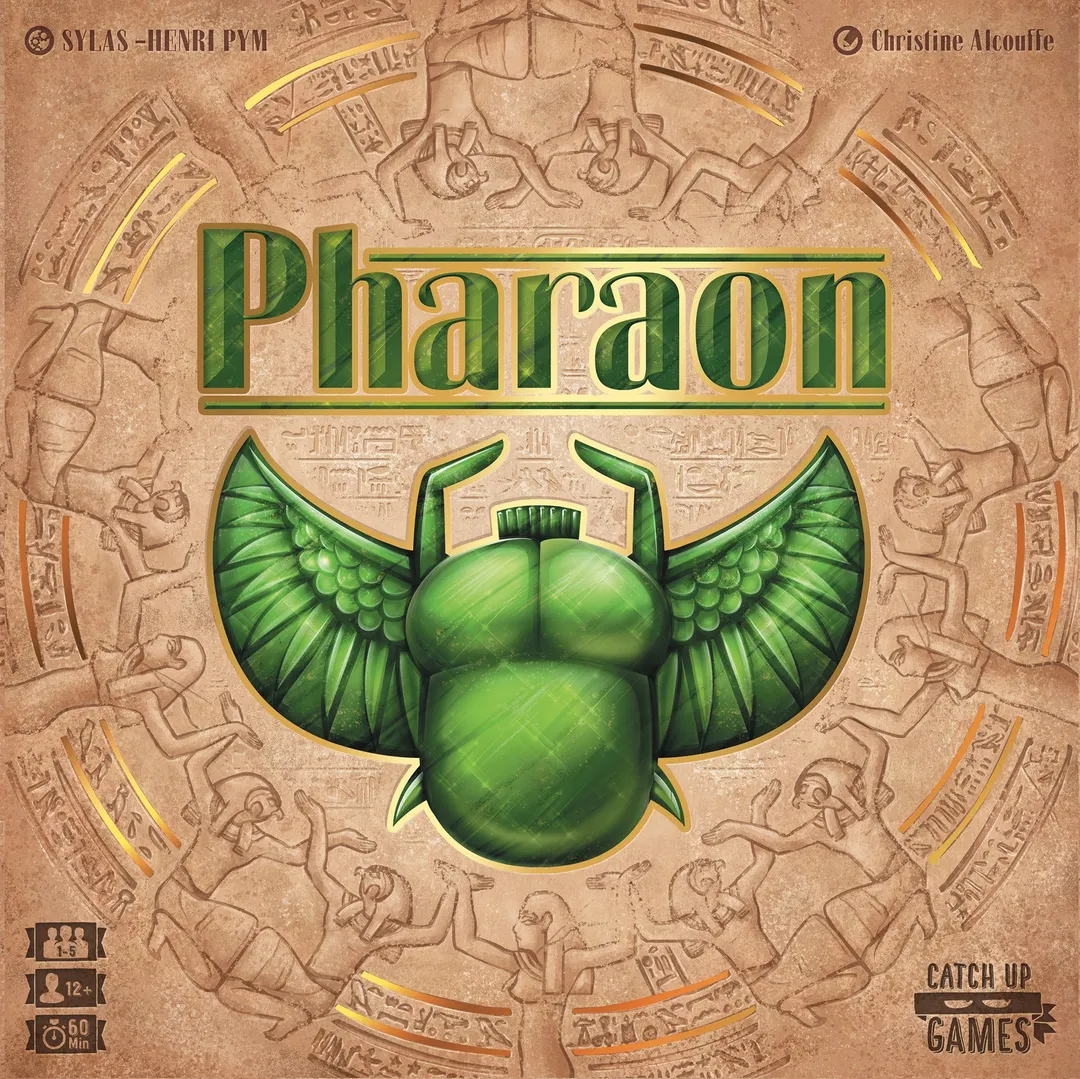
Pharaon è un gioco da tavolo pubblicato nel 2019 per 1–5 giocatori, con partite da 30 a 75 minuti e dai 12 anni in su. È stato ideato da Henri Pym e Sylas e le sue meccaniche principali sono Variable Player Powers, Variable Set-up e Modular Board.
In inglese
You are one of Pharaoh’s children. Like your brothers and sisters, you will spend a huge part of your life preparing for your journey towards the Afterlife. Getting the support of loyal nobles and talented artisans, building a magnificent burial chamber, making offerings to the Gods… here are the main tasks set for you. But the gods are looking at you and you will have to do your best in order to satisfy their demands. Each of your actions will be judged during the weighing of your heart. Pharaon is a game mixing resource management and worker placement into a single mechanism, thanks to its Wheel of Actions. It is located at the center of the gameboard, surrounded by 5 areas, representing the 5 actions featured in the game. Each round, the Wheel indicates which resource has to be spent for accessing the matching action. As the wheel rotates from one segment by the end of each of the 5 rounds, this access cost to actions fluctuates throughout the game. As a consequence, players have to plan their actions, anticipating which resources they may need for the next round. But there are a limited amount of available spots on the wheel, forcing you to watch your opponents, which resources they have, and what they may intend. How to play ? A game of Pharaon is played in 5 rounds, during which the players take turns one after the other, until everyone has passed. On their turn, a player performs one of the 5 actions on the board. The actions can provide Prestige Points (PP), determining who wins at the end of the game, but they can also help getting new resources for further turns. To be allowed to perform an action, the player has to pay its Access cost, by spending the resource indicated by the Wheel of Actions for the area in which they want to act. They then pay the Action Cost by spending the corresponding resources. The resource spent on the Wheel to access this area gets deducted from the Action Cost, if it can match. So, it is useful to anticipate the rotation of the Wheel for taking the actions at their best cost. But there is a limit on how many times an action can be performed, and your opponents may need the same as you. Moreover, the game will be closely watched by the Gods. You will have to fulfill as many of their demands as possible to get their support and some extra PP. —description from the publisher
Secondo il catalogo, Pharaon supporta da 1 a 5 giocatori. L’intervallo corrisponde al numero di giocatori indicato dall’editore, quindi il gioco si può preparare per qualsiasi gruppo entro quei limiti. Preparazione, alcune regole e punteggio possono comunque variare in base al numero di giocatori: controlla la configurazione esatta nel regolamento della tua edizione.
La durata indicata per Pharaon è di 30–75 minuti, la stima dell’editore per una partita completa. La durata effettiva dipende dal gruppo, dal numero di giocatori e dalla conoscenza delle regole: le prime partite durano di più, i gruppi esperti finiscono prima. Preparazione e spiegazione delle regole non sono comprese nella stima.
Il catalogo indica Pharaon dai 12 anni in su. È la raccomandazione dell’editore e tiene conto della lettura richiesta, della complessità delle regole e dei componenti piccoli, non solo del tema. I più giovani spesso possono giocare con l’aiuto di un adulto: controlla l’età consigliata sulla tua edizione e l’esperienza del tuo gruppo con i giochi da tavolo.
Pharaon ha un punteggio di complessità di 2,7 su 5 secondo i giocatori di BoardGameGeek, il che lo rende un gioco piuttosto leggero. Il punteggio riflette quanta conoscenza delle regole, pianificazione e decisioni richiede una partita tipica. I giochi impegnativi richiedono una prima spiegazione più lunga, quindi conviene usare una guida di preparazione.
Pharaon appartiene a queste categorie: Economic e Ancient. Le sue meccaniche principali sono Variable Player Powers, Variable Set-up e Modular Board. Le categorie descrivono il tema e l’ambientazione di un gioco, mentre le meccaniche descrivono ciò che i giocatori fanno davvero nel proprio turno. Ogni meccanica porta a una pagina del catalogo con giochi simili.
Gli autori accreditati di Pharaon sono: Henri Pym e Sylas. Questi crediti provengono dai dati pubblicati del gioco e indicano le persone responsabili della sua progettazione, non gli illustratori o gli editori. Le pagine degli autori su MeepleRules raccolgono altri titoli degli stessi autori, utili quando un gioco ti piace e ne cerchi di simili.
Il catalogo classifica Pharaon come gioco base. Si gioca da solo con i componenti presenti nella scatola e non richiede altri titoli. Le espansioni, se esistono, aggiungono nuovo contenuto o nuove regole e sono elencate separatamente nel catalogo con un collegamento a questo gioco base.