
- Posizione BGG
- BGG #4406
- Valutazione BGG
- 7,0
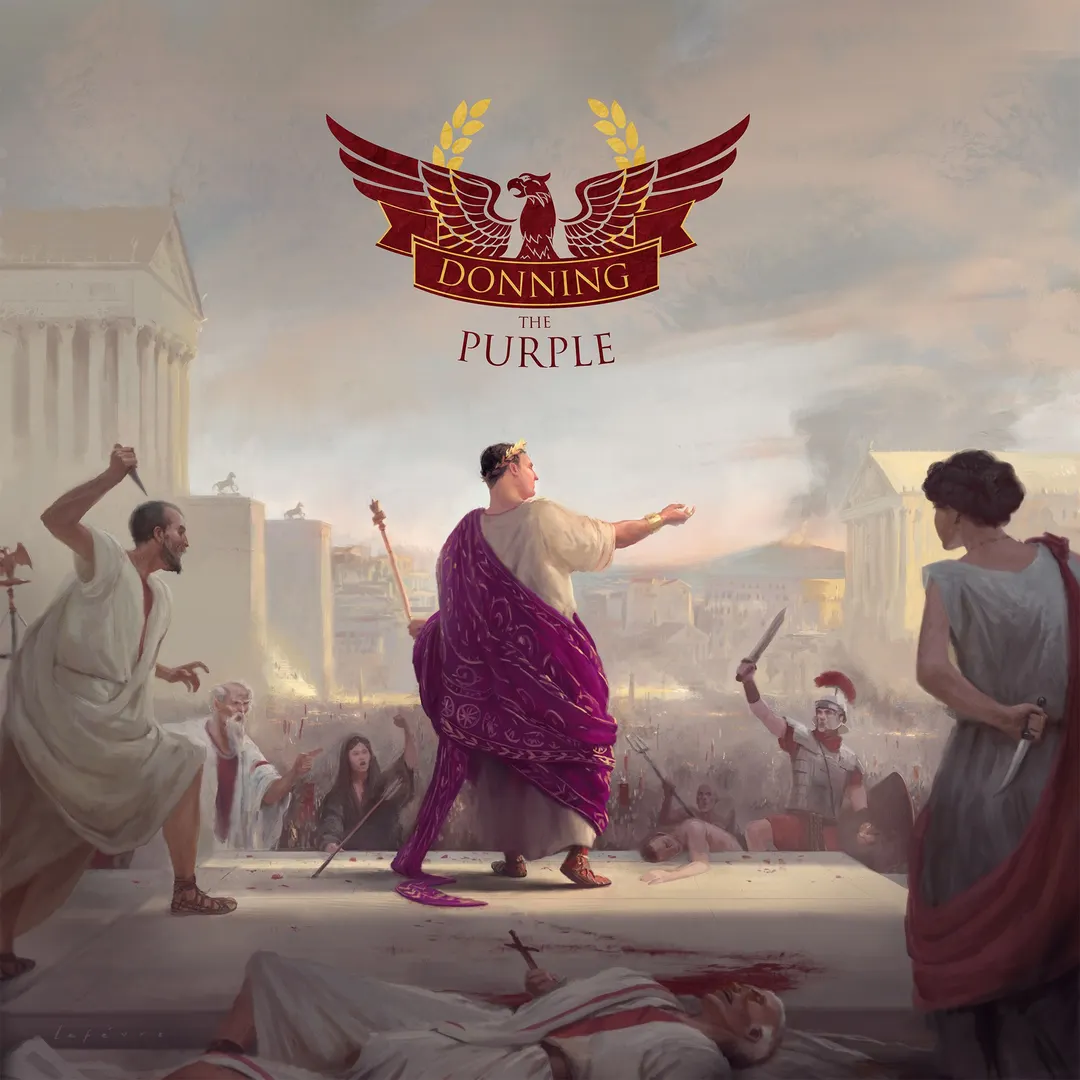
Donning the Purple
- 1–3 giocatori
- 70–90 min
- Complessità 3,0/5
- 2018
2025
Aiuto con le regole di Pompeii
Spiegazioni chiare di turni, effetti delle carte e situazioni dubbie, con riferimenti alle fonti ufficiali e cronologia delle domande salvata.
Cosa vuoi sapere?
Le risposte vengono dal regolamento ufficiale, con la pagina da verificare.
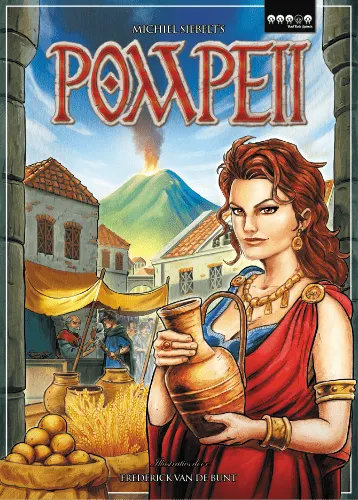
Pompeii è un gioco da tavolo pubblicato nel 2025 per 1–4 giocatori, con partite da 60 a 120 minuti e dai 12 anni in su. È stato ideato da Michiel Siebelt e le sue meccaniche principali sono Deck, Bag, and Pool Building, Worker Placement e Semi-Cooperative Game.



In inglese
Shape a City. Share a Fate Step into ancient Pompeii — a thriving Roman city known for its wealthy inhabitants and luxurious villas. In Pompeii, players lead their citizens to grow the city through smart planning, resourceful trading, and meaningful choices. Oh mighty player, set your subjects to work and and carve your legacy in the history of Pompeii. However, in Pompeii it was ambition, greed and envy that angered the gods ... and buried the city beneath a smoldering layer of volcanic ash! Together players must share sufficient offerings to appease Vesuvius. If you fixate on your own wealth, you may also find yourselves buried under layers of suffocating and toxic ash. Pompeii is a game of thoughtful strategy and shared responsibility. Can you guide the city to prosperity — and keep it standing? Or would you risk pursuing power, even if it brings downfall upon all? Gameplay Pompeii is a develoment game with a twist. A light-to-medium strategy game: easy to learn, full of meaningful choices. Each round, your workers can perform 1 of the following standard worker actions: 1. Gather raw materials 2. Produce refined goods 3. Construct buildings 4. Trade goods, or 5. Train specialists Next to standard actions, you can also choose to take a card action: activated specialists and city locations with immediate actions or recurring actions. The twist is in the two phases in which Pompeii is played: The Calm and The Awakening: During The Calm, players built the backbone of Pompeii while working on their strategy (gathering supplies, building a nice card engine, et cetera). However, during The Awakening, the Vesuvius is a force to be reckoned with: players have to negotiate shared offerings to the Vesuvius to prevent an eruption and possible loss of hard-earned goods. The Looming Threat of Vesuvius Vesuvius watches from a distance, and its patience is limited. During The Calm, Vesuvius is asleep. But when the first prestigious building is constructed, players' ambitions become clear and Vesuvius awakens. As of this moment, players must pay shared offerings to prevent an eruption of Vesuvius and thereby loss of valuable goods. You’ll need to weigh your ambitions carefully — focus too much on personal gain, and you risk the wrath of the gods. Forget the volcano, and you may all fall together. Pompeii challenges you not only to claim the city for yourself, but also to survive as a group! A Balance Between Ambition and Harmony While you grow your part of the city, others are doing the same. Each player has their own vision for Pompeii’s future, and everyone’s progress is interwoven. The most successful leader will station their army at the Castrum, the military camp outside the city gates, taking control of the city’s fate. But remember: there’s more at stake than victory alone. Together, you must also keep the gods appeased. Greed and neglect can stir Vesuvius. Ignore this smoldering primal force, and your fate may take a very different turn. What makes Pompeii so special? Unique gameplay – You’ll face the ultimate dilemma: claim victory for yourself, but survive as a group. Will your ambitions lead to your personal triumph, or the city’s ruin? In Pompeii, your fate is tied to your rivals – and the looming threat of the volcano. Relive Pompeii’s glory in a boardgame – See Pompeii come to life as you play. You build the city with every turn – from bustling workshops to grand public buildings. While you shape Pompeii, the evocative artwork breathes life into the ruins, capturing the city in its prime. Beautiful hand-drawn illustrations using pencil and watercolor paint by Frederick van de Bunt – Immerse yourself in a visually stunning world, where every card is a miniature work of art. Respect for history – Artwork and theme pay respect to the history and site of Pompeii. Historically accurate architecture and ethnicity of the citizens; every detail is thoughtfully crafted to honor Pompeii’s legacy. Experience the city’s final days with a touch of reverence and awe. Gateway game – The game gradually increases in complexity, allowing you to ease into it. Whether you’re a casual player or a seasoned gamer, Pompeii welcomes all. —description from the publisher
Secondo il catalogo, Pompeii supporta da 1 a 4 giocatori. L’intervallo corrisponde al numero di giocatori indicato dall’editore, quindi il gioco si può preparare per qualsiasi gruppo entro quei limiti. Preparazione, alcune regole e punteggio possono comunque variare in base al numero di giocatori: controlla la configurazione esatta nel regolamento della tua edizione.
La durata indicata per Pompeii è di 60–120 minuti, la stima dell’editore per una partita completa. La durata effettiva dipende dal gruppo, dal numero di giocatori e dalla conoscenza delle regole: le prime partite durano di più, i gruppi esperti finiscono prima. Preparazione e spiegazione delle regole non sono comprese nella stima.
Il catalogo indica Pompeii dai 12 anni in su. È la raccomandazione dell’editore e tiene conto della lettura richiesta, della complessità delle regole e dei componenti piccoli, non solo del tema. I più giovani spesso possono giocare con l’aiuto di un adulto: controlla l’età consigliata sulla tua edizione e l’esperienza del tuo gruppo con i giochi da tavolo.
Pompeii ha un punteggio di complessità di 2,6 su 5 secondo i giocatori di BoardGameGeek, il che lo rende un gioco piuttosto leggero. Il punteggio riflette quanta conoscenza delle regole, pianificazione e decisioni richiede una partita tipica. I giochi impegnativi richiedono una prima spiegazione più lunga, quindi conviene usare una guida di preparazione.
Pompeii appartiene a queste categorie: Ancient, City Building e Civilization. Le sue meccaniche principali sono Deck, Bag, and Pool Building, Worker Placement e Semi-Cooperative Game. Le categorie descrivono il tema e l’ambientazione di un gioco, mentre le meccaniche descrivono ciò che i giocatori fanno davvero nel proprio turno. Ogni meccanica porta a una pagina del catalogo con giochi simili.
Gli autori accreditati di Pompeii sono: Michiel Siebelt. Questi crediti provengono dai dati pubblicati del gioco e indicano le persone responsabili della sua progettazione, non gli illustratori o gli editori. Le pagine degli autori su MeepleRules raccolgono altri titoli degli stessi autori, utili quando un gioco ti piace e ne cerchi di simili.
Il catalogo classifica Pompeii come gioco base. Si gioca da solo con i componenti presenti nella scatola e non richiede altri titoli. Le espansioni, se esistono, aggiungono nuovo contenuto o nuove regole e sono elencate separatamente nel catalogo con un collegamento a questo gioco base.