
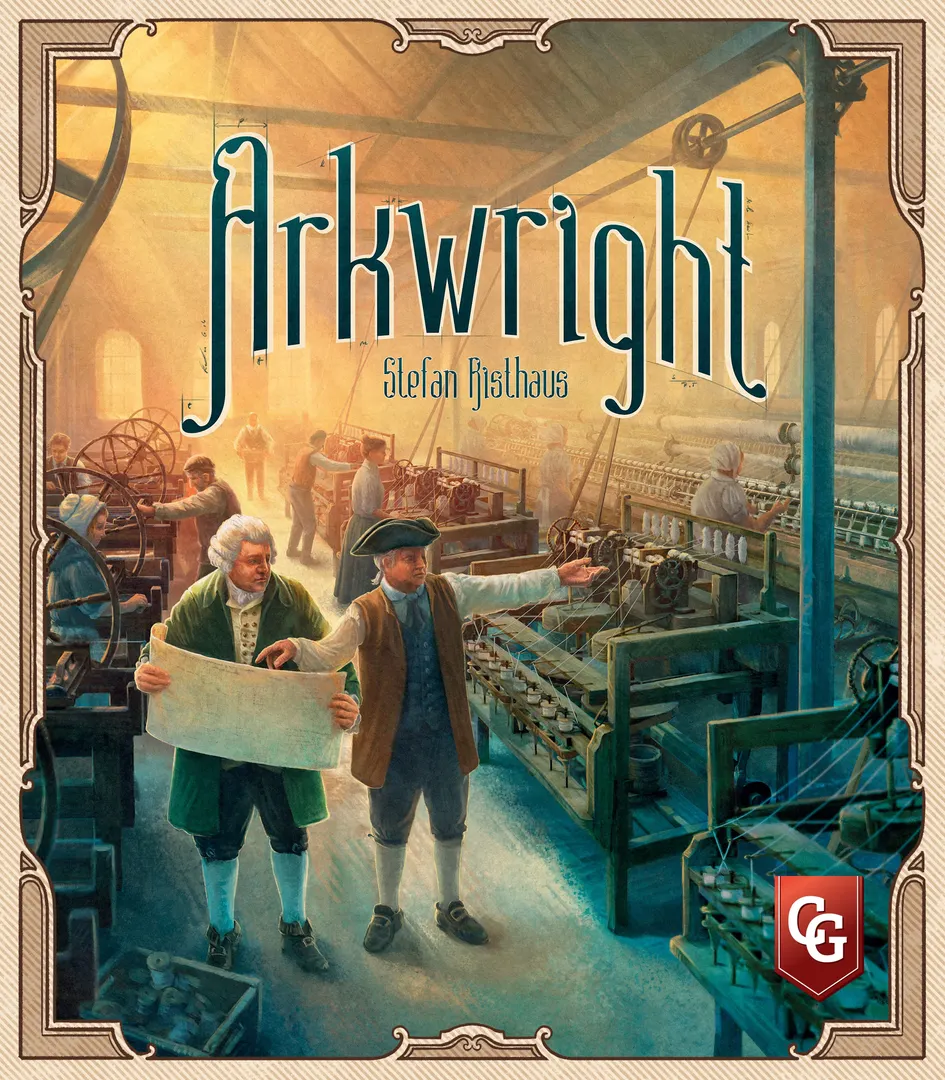
- Posizione BGG
- BGG #882
- Valutazione BGG
- 7,8
Arkwright
- 1–4 giocatori
- 120–240 min
- Complessità 4,6/5
- 2014
2026
Aiuto con le regole di Ports of Call: The Board Game
Spiegazioni chiare di turni, effetti delle carte e situazioni dubbie, con riferimenti alle fonti ufficiali e cronologia delle domande salvata.
Per 2 giocatori
Cosa vuoi sapere?
Le risposte vengono dal regolamento ufficiale, con la pagina da verificare.
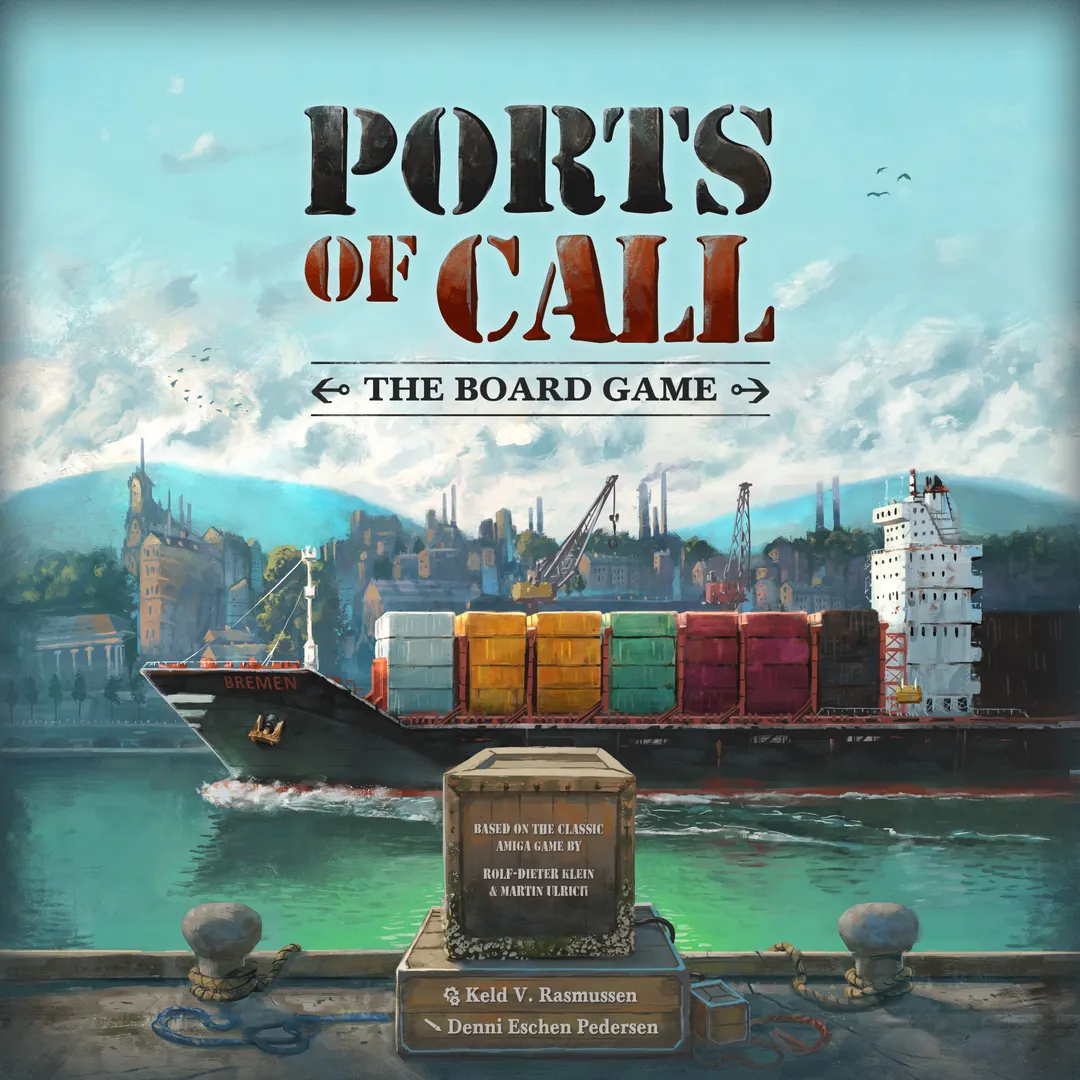
Ports of Call: The Board Game è un gioco da tavolo pubblicato nel 2026 per 2–4 giocatori, con partite da 90 a 240 minuti e dai 15 anni in su. È stato ideato da Keld V. Rasmussen e le sue meccaniche principali sono Point to Point Movement, End Game Bonuses e Events.









In inglese
Ports of Call: The Board Game brings the classic 1987 computer game, created by Rolf-Dieter Klein and Martin Ulrich, to the tabletop. Players compete to build the world's most valuable shipping company by transporting goods across the oceans, fulfilling commercial orders, establishing factories, and expanding their maritime empires. Starting with two ships, a home port, and limited financial resources, players must navigate international trade routes, manage their fleets, and make strategic investments, while dealing with pirates, rats, unpredictable weather, closed ports, and smuggling. The winner is the player who, by the end of the game, has built the most valuable shipping company. A World of Trade and Opportunity The game features 15 port cities connected by shipping routes across the globe. Five commodities – wind turbines, steel, electronics, wine, and oil – form the foundation of international trade. Each port specialises in producing one commodity, creating a worldwide network of trading opportunities. Players purchase containers, transport them between cities, and sell their cargo for profit. One of the main objectives is to fulfil commercial orders. Each Order Card requires two specific commodities to be delivered to a designated port. Players must plan efficient routes, acquire the necessary goods, and coordinate their ships to complete these contracts and increase their company's value. Build Your Fleet and Industrial Network As their businesses grow, players can invest in additional ships and establish factories in port cities around the world. Small ships are inexpensive and efficient, while large ships offer greater cargo capacity at higher purchase and maintenance costs. Expanding your fleet increases your transportation capabilities but also creates additional financial obligations. Factories allow players to produce their own containers and supply goods to the global Container Terminal, a shared marketplace where commodity prices fluctuate as containers are added and purchased. When another player purchases a container you have produced, you receive the payment. Producing goods also advances your position on the Production Track, unlocking valuable bonuses. Players must decide whether to focus on shipping contracts, industrial production, commodity trading, or a combination of these strategies. Strategic Decisions and Economic Challenges Each player manages their company through an individual Office Board and a limited number of Action Points. The number of Action Points depends on the size of the player's fleet, rewarding expansion with greater flexibility. Actions include purchasing ships, constructing factories, acquiring orders, buying containers, and producing goods. Ship movement and selling cargo do not require Action Points. Players must carefully balance investments, transportation efficiency, and available cash. Meanwhile, News Cards introduce unexpected events at the end of each quarter. Pirates, unpredictable weather, closed ports, smuggling, and changing market conditions can disrupt shipping operations and create new challenges or opportunities. Financial management is equally important. At the end of each fiscal year, companies receive income based on their Stock Exchange value but must pay maintenance costs for their ships. Poor financial planning can force players to sell shares or even face bankruptcy. Become the World's Leading Shipping Company The game takes place over four fiscal years, each consisting of four quarters, giving every player 16 turns to develop their business. Throughout the game, players increase their company's value by completing orders, earning Achievement Cards, and making strategic investments. The Stock Exchange tracks each company's value and ultimately determines the winner. At the end of the final year, unfinished orders result in penalties, while achievements provide additional rewards. The player with the highest company value wins! Ports of Call: The Board Game combines maritime logistics, economic strategy, market competition, and business development into a challenging trading experience where every decision matters. Welcome aboard! —description from the publisher
Secondo il catalogo, Ports of Call: The Board Game supporta da 2 a 4 giocatori. L’intervallo corrisponde al numero di giocatori indicato dall’editore, quindi il gioco si può preparare per qualsiasi gruppo entro quei limiti. Preparazione, alcune regole e punteggio possono comunque variare in base al numero di giocatori: controlla la configurazione esatta nel regolamento della tua edizione.
La durata indicata per Ports of Call: The Board Game è di 90–240 minuti, la stima dell’editore per una partita completa. La durata effettiva dipende dal gruppo, dal numero di giocatori e dalla conoscenza delle regole: le prime partite durano di più, i gruppi esperti finiscono prima. Preparazione e spiegazione delle regole non sono comprese nella stima.
Il catalogo indica Ports of Call: The Board Game dai 15 anni in su. È la raccomandazione dell’editore e tiene conto della lettura richiesta, della complessità delle regole e dei componenti piccoli, non solo del tema. I più giovani spesso possono giocare con l’aiuto di un adulto: controlla l’età consigliata sulla tua edizione e l’esperienza del tuo gruppo con i giochi da tavolo.
Ports of Call: The Board Game ha un punteggio di complessità di 3,0 su 5 secondo i giocatori di BoardGameGeek, il che lo rende un gioco di media complessità. Il punteggio riflette quanta conoscenza delle regole, pianificazione e decisioni richiede una partita tipica. I giochi impegnativi richiedono una prima spiegazione più lunga, quindi conviene usare una guida di preparazione.
Ports of Call: The Board Game appartiene a queste categorie: Economic, Video Game Theme e Industry / Manufacturing. Le sue meccaniche principali sono Point to Point Movement, End Game Bonuses e Events. Le categorie descrivono il tema e l’ambientazione di un gioco, mentre le meccaniche descrivono ciò che i giocatori fanno davvero nel proprio turno. Ogni meccanica porta a una pagina del catalogo con giochi simili.
Gli autori accreditati di Ports of Call: The Board Game sono: Keld V. Rasmussen. Questi crediti provengono dai dati pubblicati del gioco e indicano le persone responsabili della sua progettazione, non gli illustratori o gli editori. Le pagine degli autori su MeepleRules raccolgono altri titoli degli stessi autori, utili quando un gioco ti piace e ne cerchi di simili.
Il catalogo classifica Ports of Call: The Board Game come gioco base. Si gioca da solo con i componenti presenti nella scatola e non richiede altri titoli. Le espansioni, se esistono, aggiungono nuovo contenuto o nuove regole e sono elencate separatamente nel catalogo con un collegamento a questo gioco base.