
- Posizione BGG
- BGG #25.290
- Valutazione BGG
- 5,7
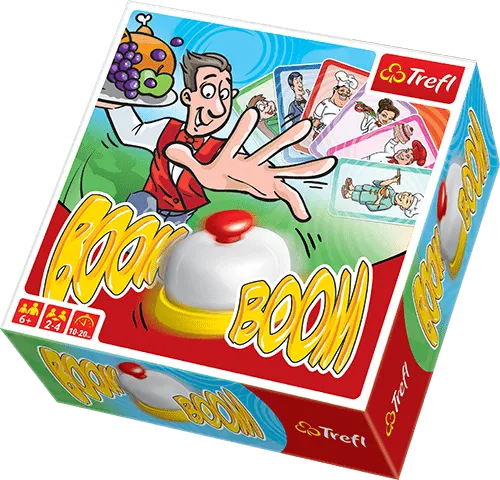
Boom Boom
- 2–4 giocatori
- 10 min
- Complessità 1,0/5
- 2013
2015
Aiuto con le regole di Prison Run
Spiegazioni chiare di turni, effetti delle carte e situazioni dubbie, con riferimenti alle fonti ufficiali e cronologia delle domande salvata.
Per 2 giocatori
Cosa vuoi sapere?
Le risposte vengono dal regolamento ufficiale, con la pagina da verificare.
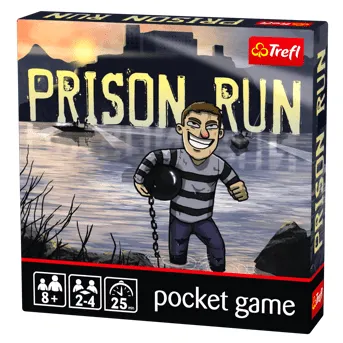
Prison Run è un gioco da tavolo pubblicato nel 2015. È stato ideato da Piotr Milewski e le sue meccaniche principali sono Track Movement.

In inglese
Free your falsely accused friends from a closely guarded prison! Be the first to help other players escape before wardens realize what’s happening and thwart your plans. Unfortunately, not everyone can succeed, so you need to choose carefully when to help others, when to obstruct them, and when to bluff your way out. Maybe your strategy will be the most effective. It’s time to begin Prison Run! In Prison Run, each player tries to bail his companions out of jail. The cards with the list of prisoners who are the members of the player’s gang should not be revealed to the other players. To make escape of their people possible, the players use simple actions. They can choose the prisoner who will break out from the cell or who will be move forward on the escape track. If one of the prisoners will make it to the last space, the players votes secretly if the prisoner will successfully escape or will go back to the cell. If at least one of the voters is against the escape, the prisoner returns to the jail. However, the players have to be careful and count their odds, because each player has limited amount of the objections. The player who at the end of the game has the largest number of bailed out prisoners from their gang is the winner.
Prison Run ha un punteggio di complessità di 1,0 su 5 secondo i giocatori di BoardGameGeek, il che lo rende un gioco leggero. Il punteggio riflette quanta conoscenza delle regole, pianificazione e decisioni richiede una partita tipica. I giochi impegnativi richiedono una prima spiegazione più lunga, quindi conviene usare una guida di preparazione.
Prison Run appartiene a queste categorie: Card Game, Humor e Bluffing. Le sue meccaniche principali sono Track Movement. Le categorie descrivono il tema e l’ambientazione di un gioco, mentre le meccaniche descrivono ciò che i giocatori fanno davvero nel proprio turno. Ogni meccanica porta a una pagina del catalogo con giochi simili.
Gli autori accreditati di Prison Run sono: Piotr Milewski. Questi crediti provengono dai dati pubblicati del gioco e indicano le persone responsabili della sua progettazione, non gli illustratori o gli editori. Le pagine degli autori su MeepleRules raccolgono altri titoli degli stessi autori, utili quando un gioco ti piace e ne cerchi di simili.
Il catalogo classifica Prison Run come gioco base. Si gioca da solo con i componenti presenti nella scatola e non richiede altri titoli. Le espansioni, se esistono, aggiungono nuovo contenuto o nuove regole e sono elencate separatamente nel catalogo con un collegamento a questo gioco base.