
- Posizione BGG
- BGG #9316
- Valutazione BGG
- 7,6
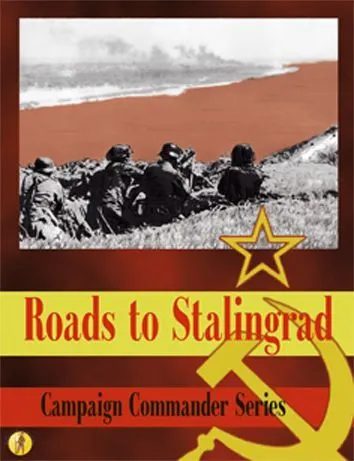
Roads to Stalingrad: Campaign Commander Series
- 2 giocatori
- 180 min
- Complessità 2,5/5
- 2009
2011
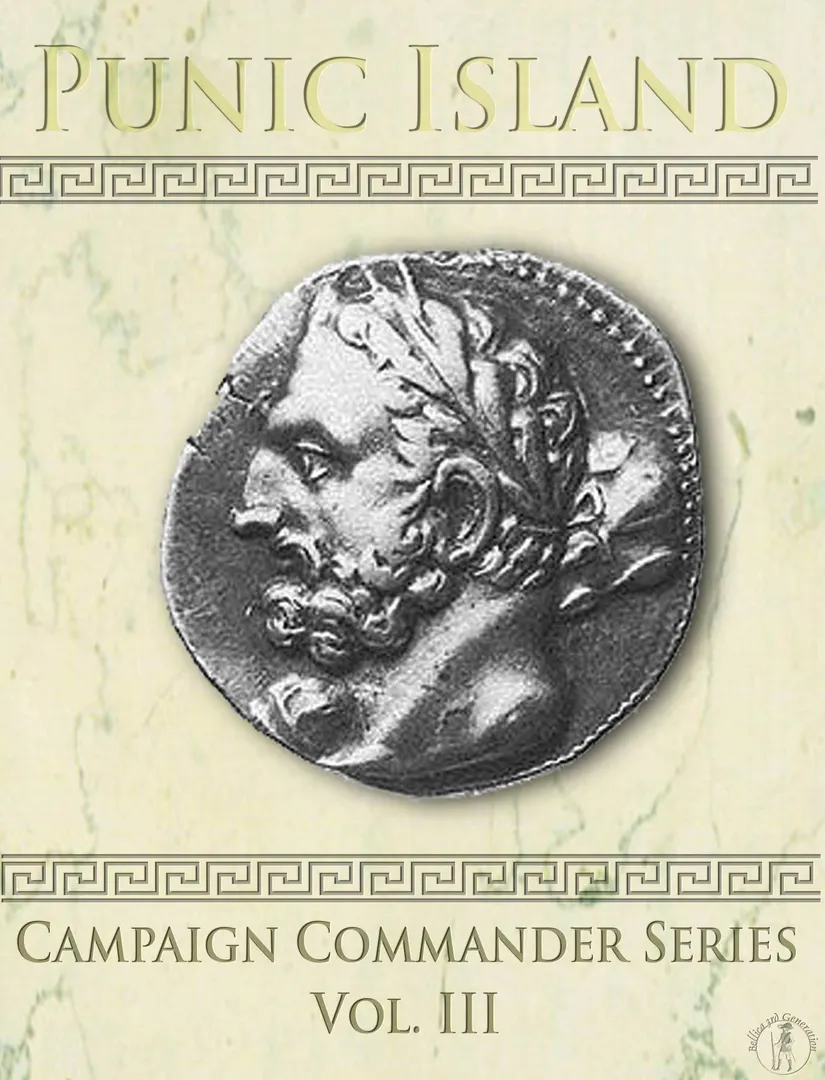
Aiuto con le regole di Punic Island: Campaign Commander Volume III
Spiegazioni chiare di turni, effetti delle carte e situazioni dubbie, con riferimenti alle fonti ufficiali e cronologia delle domande salvata.
Per 2 giocatori
Cosa vuoi sapere?
Le risposte vengono dal regolamento ufficiale, con la pagina da verificare.
Punic Island: Campaign Commander Volume III è un gioco da tavolo pubblicato nel 2011 per 2 giocatori, con partite da 180 a 240 minuti e dai 12 anni in su. È stato ideato da Francisco Ronco e le sue meccaniche principali sono Area Movement, Dice Rolling e Simultaneous Action Selection.
In inglese
“Punic Island” is the third volume in the Campaign Commander series and simulates the campaign for Sicily and North Africa during the First Punic War. The system takes away from Second World War and goes to Ancients. In 264 Roma was summoned to Messina by Mamertines mercenaries to help in their quarrel with Cartage, the main power in Sicily. Carthaginians count on Hiero the Tirant of Syracuse to help defeating the Mamertines. Here begins the First Punic War. Romans and Carthaginians fought for 22 year over Sicily and in North Africa. Rome emerged victorious and Cartage was obliged to quit his long standing presence in Sicily. The land campaign was a long string of Roman victories as city after city was subdued and every Carthaginian army was defeated in battle. Syracuse was forced to make an alliance with Rome and Cartage was left with only a few fortresses in the island. Anyway the war was won and lost in the sea. The war saw the emergence of Rome as a sea-power and a long string of naval victories allow Roman troops to menace even Cartage proper. Only to be saved by Xantipus and his mercenary army at the Bagradas Plains battle. Naval warfare played a prominent role in this war and will give Carthage Senate his las blow. Carthage tried to spend the Roman effort during the whole war. His strategy was of attrition and was unsuccessful; Rome never gave up a prize. The game is developed in an operational scale – area-based map. It is designed for two players with one running the ROMAN forces and the other the CARTHAGINIAN forces -including Syracuse. The game lasts approximately 3-4 hours and uses a two sided system to handle the mechanics of play: cards and counters. The players will have to use their troops and their resources to obtain victory points while eliminating enemy forces and occupying cities in the map. It is not a card driven game as the cards are used to bring about events that influence battles, secure reinforcements, and provide resources with which to carry on the fight. The ROMAN player will be on the offensive during the whole game as he has to conquer the whole island to get victory. CARTHAGINIAN player focuses on spoiling Roman campaigns and plans with ambushes, sallies and bad weather cards. Also he has to recruit an army as he doesn´t has any at the beginning of the game. The ROMAN player must plan his offensives carefully as he will need a new army and resources for each one. Also he will need to build a fleet his doesn´t have at the start of the war. The sea contest will be evenly match and you better take into account bad weather as it sinks more ships than enemy action. Siege warfare takes a prominent role in this game as every city in the game map is a walled on with his own intrinsic garrison. Like all the games of this Series, the rules are simple and straight forward. Our objective was to create games that are very interactive, and offer players a pleasant creative experience. We aim for solid games for players who do not have the time or the space to leave a game setup and in place over a long period of play. Components: - 1 80x60 cm map of Sicily and North Africa. - two ten-sided dice - 176 unit counters - 1 Rules Book for the Series “Campaign Commander” and Exclusive Rules of “Punic Island”; historical and designer notes. - 70 cards (divided in two decks, plus help cards) - 3 plastic bags.
Secondo il catalogo, Punic Island: Campaign Commander Volume III supporta 2 giocatori. È il numero di giocatori indicato dall’editore, quindi il gioco è pensato esattamente per quel numero di partecipanti. Le varianti per gruppi di altre dimensioni, se esistono, sono descritte nel regolamento della tua edizione: consultalo prima di preparare una configurazione diversa.
La durata indicata per Punic Island: Campaign Commander Volume III è di 180–240 minuti, la stima dell’editore per una partita completa. La durata effettiva dipende dal gruppo, dal numero di giocatori e dalla conoscenza delle regole: le prime partite durano di più, i gruppi esperti finiscono prima. Preparazione e spiegazione delle regole non sono comprese nella stima.
Il catalogo indica Punic Island: Campaign Commander Volume III dai 12 anni in su. È la raccomandazione dell’editore e tiene conto della lettura richiesta, della complessità delle regole e dei componenti piccoli, non solo del tema. I più giovani spesso possono giocare con l’aiuto di un adulto: controlla l’età consigliata sulla tua edizione e l’esperienza del tuo gruppo con i giochi da tavolo.
Punic Island: Campaign Commander Volume III ha un punteggio di complessità di 3,2 su 5 secondo i giocatori di BoardGameGeek, il che lo rende un gioco di media complessità. Il punteggio riflette quanta conoscenza delle regole, pianificazione e decisioni richiede una partita tipica. I giochi impegnativi richiedono una prima spiegazione più lunga, quindi conviene usare una guida di preparazione.
Punic Island: Campaign Commander Volume III appartiene a queste categorie: Wargame e Ancient. Le sue meccaniche principali sono Area Movement, Dice Rolling e Simultaneous Action Selection. Le categorie descrivono il tema e l’ambientazione di un gioco, mentre le meccaniche descrivono ciò che i giocatori fanno davvero nel proprio turno. Ogni meccanica porta a una pagina del catalogo con giochi simili.
Gli autori accreditati di Punic Island: Campaign Commander Volume III sono: Francisco Ronco. Questi crediti provengono dai dati pubblicati del gioco e indicano le persone responsabili della sua progettazione, non gli illustratori o gli editori. Le pagine degli autori su MeepleRules raccolgono altri titoli degli stessi autori, utili quando un gioco ti piace e ne cerchi di simili.
Il catalogo classifica Punic Island: Campaign Commander Volume III come gioco base. Si gioca da solo con i componenti presenti nella scatola e non richiede altri titoli. Le espansioni, se esistono, aggiungono nuovo contenuto o nuove regole e sono elencate separatamente nel catalogo con un collegamento a questo gioco base.