
- Valutazione BGG
- 9,0
Shibumi: Further Games
- 2–6 giocatori
- 10–20 min
- 2020
2011
Aiuto con le regole di Shibumi
Spiegazioni chiare di turni, effetti delle carte e situazioni dubbie, con riferimenti alle fonti ufficiali e cronologia delle domande salvata.
Per 1 giocatore
Cosa vuoi sapere?
Le risposte vengono dal regolamento ufficiale, con la pagina da verificare.
Shibumi è un gioco da tavolo pubblicato nel 2011 per 1–8 giocatori, con partite da 15 minuti e dai 6 anni in su. È stato ideato da Cameron Browne e le sue meccaniche principali sono Hand Management, Network and Route Building e Enclosure.




In inglese
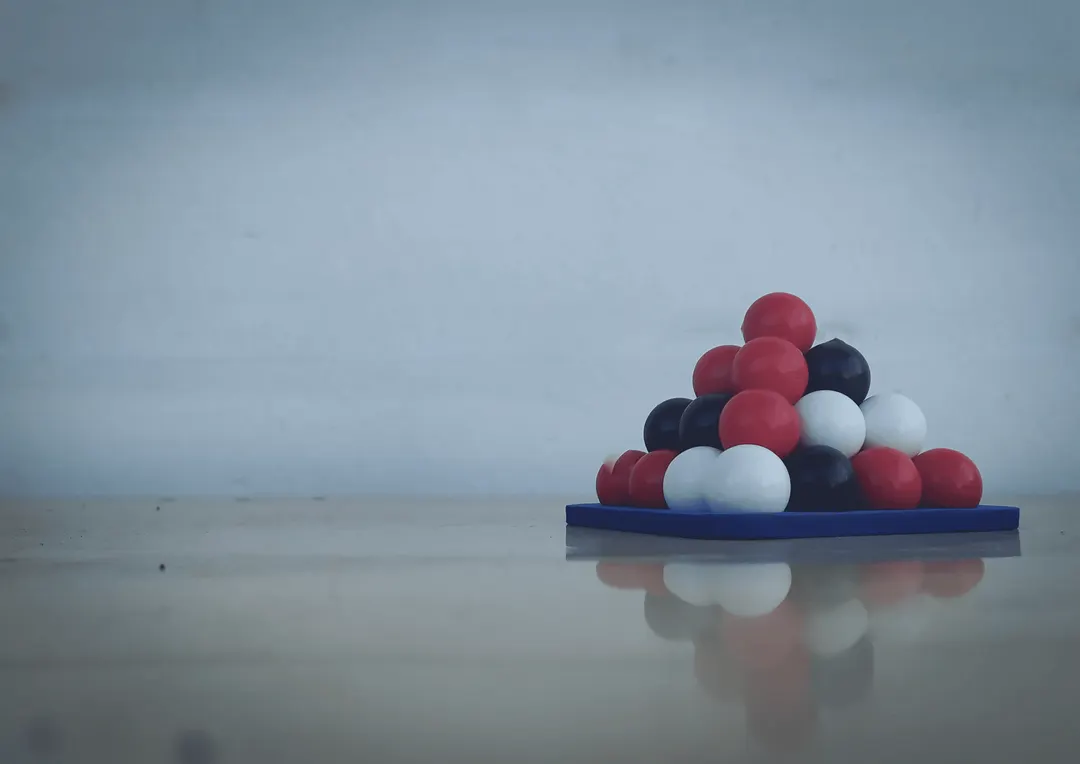
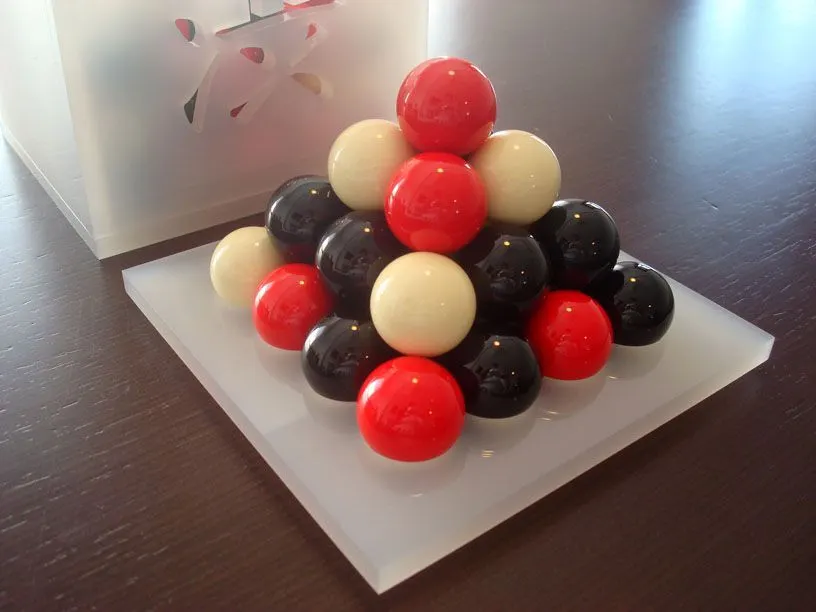
INTRODUCTION Shibumi is the essence of beauty, or elegance in its minimal form. A shibumi object may appear simple but will reward the viewer with hidden depths as it is explored over time. Shibumi is simplicity hiding complexity. COMPONENTS The Shibumi set is not a single game but many games; it is the simplest of game systems. The set includes a square board with 4x4 holes and 48 white, black and red balls (16 each). Balls may only stack on 2x2 platforms of existing balls. Conversely, if a ball is removed then any others that it supports will drop. Any ball that directly supports two or more on the level above is pinned and cannot be removed. If a ball is not pinned then it’s free. EDITIONS Published by nestorgames, it is presented in 3 editions: - Ninja: Small, light, portable. It includes a black and small cotton bag, a blue foam board, 19mm plastic balls in 3 colours (16 each of white, black and red), and a sheet with rules for 7 games. - Samurai: Big, solid, strong. It includes a big white bag, a laser-cut 8mm thick 'ice' acrylic board and 25mm phenolic resin balls (same material as snooker balls) in 3 colours (16 each of white, black and red), and a sheet with rules for 7 games. Optionaly 3 bowls for the marbles can be purchased. - Shogun: The executive edition for the big boss. It includes a big laser-cut 8mm thick 'ice' acrylic box with 4x4 holes on its lid, a big white bag, 25mm phenolic resin balls in 3 colours (16 each of white, black and red), and a pendrive with rules for many games. You will be able download future games and computer versions into your pendrive as they become available. The phenolic balls are absolutely exquisite as they are: - Light: around 15 grams each. - Round: each ball is perfectly spherical without blemish; they stack and drop correctly every time. - Warm: both in temperature and in the nice snooker ball "clack" they make when struck together. - Tough: they won't chip or crack and seem pretty much indestructible. They look and feel fantastic. When you pick them up you just want to keep fondling them. HISTORY Games and puzzles based on square pyramidal stackings have existed at least since Edouard Lucas' cannon-ball stacking problem of 1875. The most famous 4x4 square pyramidal game is Pylos (published by Gigamic). Shibumi is different due to the third ball colour, drop mechanism, different numbers of players, lack of a board gutter, and the fact that it's a system for playing many games rather than the embodiment of a single game. Some Shibumi games may be playable with a Pylos set but many will not. Shibumi game system concept by Cameron Browne 2011. GAMES This is the official geeklist of Shibumi games: Official Shibumi games list Please feel free to create your own game for this system! The names of these games all start with ‘SP’ because they're Square Pyramidal games:
Secondo il catalogo, Shibumi supporta da 1 a 8 giocatori. L’intervallo corrisponde al numero di giocatori indicato dall’editore, quindi il gioco si può preparare per qualsiasi gruppo entro quei limiti. Preparazione, alcune regole e punteggio possono comunque variare in base al numero di giocatori: controlla la configurazione esatta nel regolamento della tua edizione.
La durata indicata per Shibumi è di 15 minuti, la stima dell’editore per una partita completa. La durata effettiva dipende dal gruppo, dal numero di giocatori e dalla conoscenza delle regole: le prime partite durano di più, i gruppi esperti finiscono prima. Preparazione e spiegazione delle regole non sono comprese nella stima.
Il catalogo indica Shibumi dai 6 anni in su. È la raccomandazione dell’editore e tiene conto della lettura richiesta, della complessità delle regole e dei componenti piccoli, non solo del tema. I più giovani spesso possono giocare con l’aiuto di un adulto: controlla l’età consigliata sulla tua edizione e l’esperienza del tuo gruppo con i giochi da tavolo.
Shibumi ha un punteggio di complessità di 2,8 su 5 secondo i giocatori di BoardGameGeek, il che lo rende un gioco piuttosto leggero. Il punteggio riflette quanta conoscenza delle regole, pianificazione e decisioni richiede una partita tipica. I giochi impegnativi richiedono una prima spiegazione più lunga, quindi conviene usare una guida di preparazione.
Shibumi appartiene a queste categorie: Abstract Strategy, Puzzle e Game System. Le sue meccaniche principali sono Hand Management, Network and Route Building e Enclosure. Le categorie descrivono il tema e l’ambientazione di un gioco, mentre le meccaniche descrivono ciò che i giocatori fanno davvero nel proprio turno. Ogni meccanica porta a una pagina del catalogo con giochi simili.
Gli autori accreditati di Shibumi sono: Cameron Browne. Questi crediti provengono dai dati pubblicati del gioco e indicano le persone responsabili della sua progettazione, non gli illustratori o gli editori. Le pagine degli autori su MeepleRules raccolgono altri titoli degli stessi autori, utili quando un gioco ti piace e ne cerchi di simili.
Il catalogo classifica Shibumi come gioco base. Si gioca da solo con i componenti presenti nella scatola e non richiede altri titoli. Le espansioni, se esistono, aggiungono nuovo contenuto o nuove regole e sono elencate separatamente nel catalogo con un collegamento a questo gioco base.