
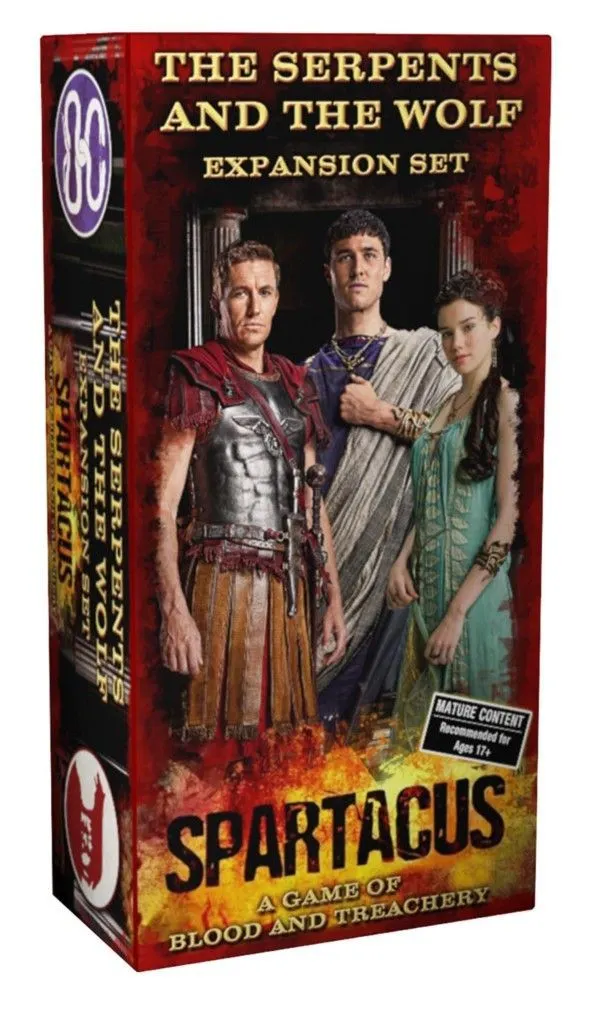
- Valutazione BGG
- 8,0
Spartacus: The Serpents and the Wolf Expansion Set
- 3–6 giocatori
- 120–180 min
- Complessità 2,6/5
- 2013
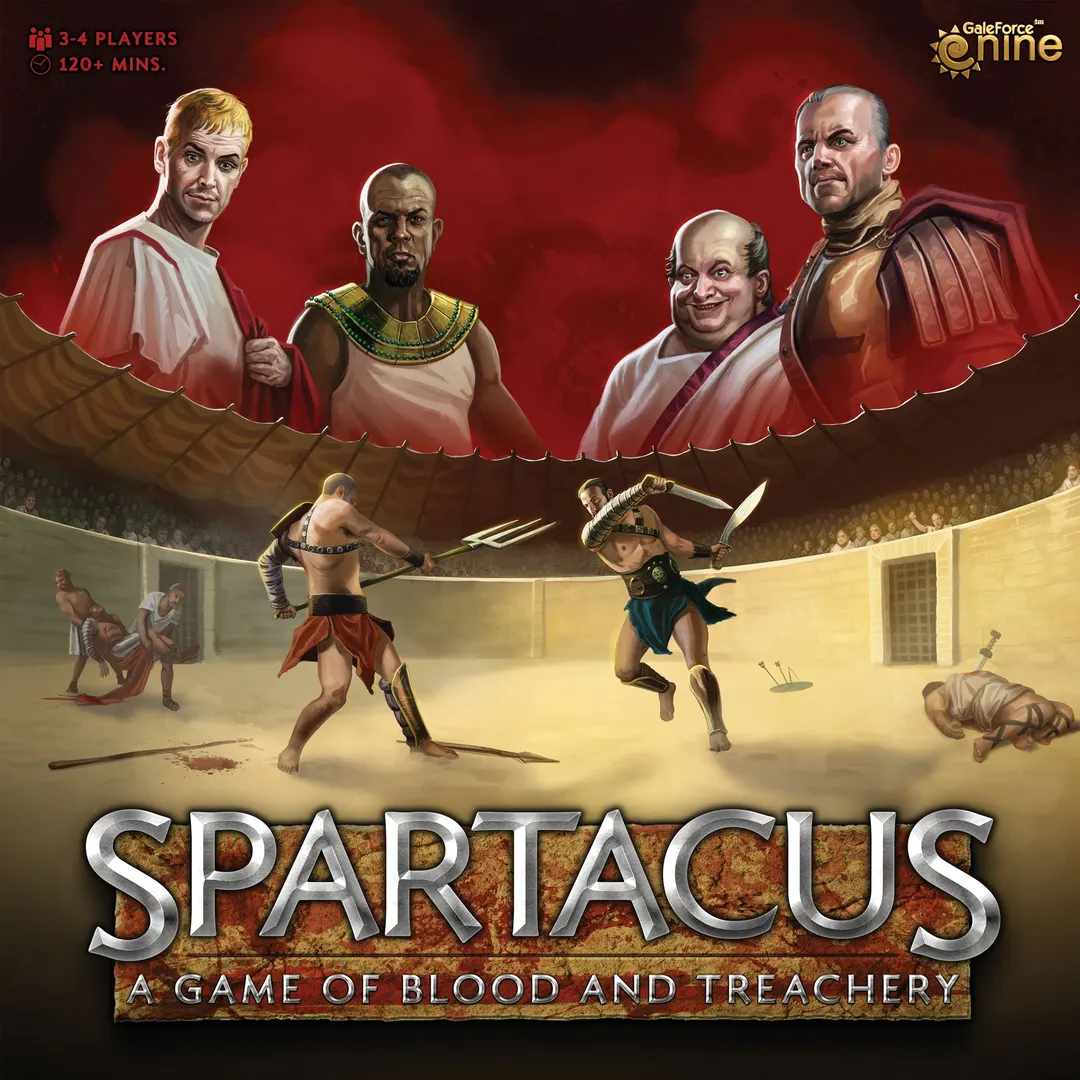
2012
Aiuto con le regole di Spartacus: A Game of Blood and Treachery
Spiegazioni chiare di turni, effetti delle carte e situazioni dubbie, con riferimenti alle fonti ufficiali e cronologia delle domande salvata.
Per 3 giocatori
Cosa vuoi sapere?
Le risposte vengono dal regolamento ufficiale, con la pagina da verificare.
Spartacus: A Game of Blood and Treachery è un gioco da tavolo pubblicato nel 2012 per 3–4 giocatori, con partite da 120 a 180 minuti e dai 17 anni in su. È stato ideato da John Kovaleski, Sean Sweigart e Aaron Dill e le sue meccaniche principali sono Variable Player Powers, Hand Management e Trading.
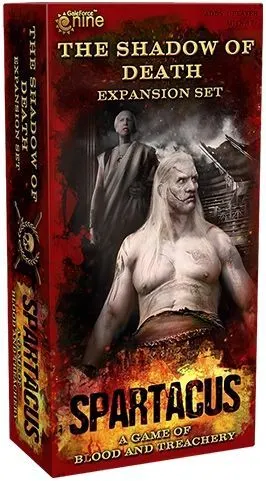






In inglese
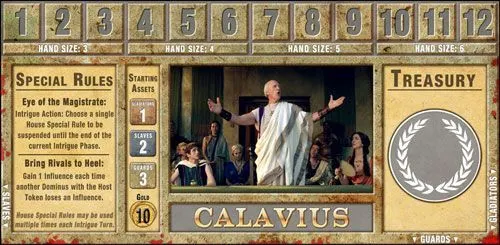
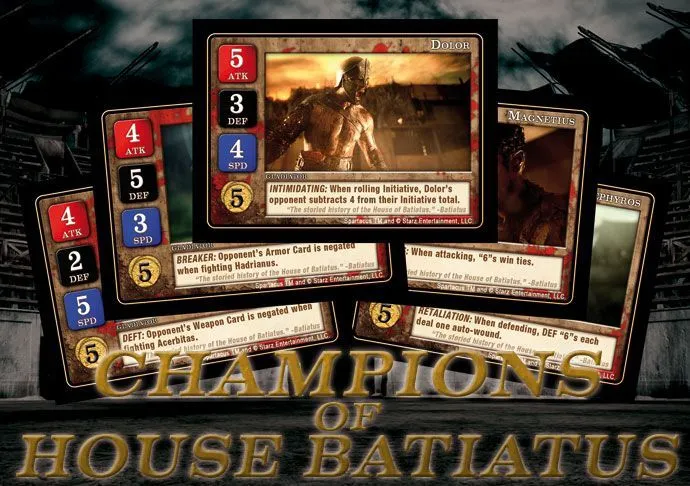
In Spartacus: A Game of Blood & Treachery, an exciting game of twisted schemes and bloody combats inspired by the hit STARZ Original series, each player takes on the role of Dominus, head of a rising house in the ancient Roman city of Capua. Each house is competing for Influence to gain the favor of Rome. Through a combination of political schemes and glorious battles on the arena sands your house will rise in fame and stature. As Dominus, you have a variety of resources at your disposal. Guards protect you from schemes launched by rivals. Slaves run your household and earn gold. Gladiators compete to bring glory to themselves and influence to their Dominus. Three main phases occur in each game round of Spartacus: A Game of Blood & Treachery. The Intrigue Phase is when players launch their Schemes, hoping to raise their fortunes while undermining their rivals. Schemes and Reactions are represented by cards in the Intrigue Deck. Players wield their Influence to put their Schemes into play, often asking for (or bribing) another player’s help in hatching the most complex plots. The Market Phase is when players buy, sell and trade Assets (Gladiators, Slaves, Equipment and Guards). Players also bid against each other to acquire new Assets at Auction. Wealth is not the only path to success as players bluff and bargain with each other to acquire the Assets they covet. The Arena Phase is when the bloody games are held. Gladiators from two rival Houses are pitted against each other in a brutal fight for glory. The spectacles of the games are represented by miniature combat on the arena board. Fighters pit their Attack, Defense and Speed dice against one another to determine the victor. All players seek to increase their fortunes by betting on the outcome of the gruesome conflict. Fighters who emerge from the arena victorious gain Favor and their Dominus gain Influence. The goal of the game is to become the most influential house in Capua, securing your family’s power for years to come. During the game, players will bribe, poison, betray, steal, blackmail, and undermine each other. Gold will change hands again and again to buy support, stay someone’s hand or influence their decisions. Will you be the honorable player whose word is their bond or the treacherous schemer whose alliances change with the wind? —description from the publisher
Secondo il catalogo, Spartacus: A Game of Blood and Treachery supporta da 3 a 4 giocatori. L’intervallo corrisponde al numero di giocatori indicato dall’editore, quindi il gioco si può preparare per qualsiasi gruppo entro quei limiti. Preparazione, alcune regole e punteggio possono comunque variare in base al numero di giocatori: controlla la configurazione esatta nel regolamento della tua edizione.
La durata indicata per Spartacus: A Game of Blood and Treachery è di 120–180 minuti, la stima dell’editore per una partita completa. La durata effettiva dipende dal gruppo, dal numero di giocatori e dalla conoscenza delle regole: le prime partite durano di più, i gruppi esperti finiscono prima. Preparazione e spiegazione delle regole non sono comprese nella stima.
Il catalogo indica Spartacus: A Game of Blood and Treachery dai 17 anni in su. È la raccomandazione dell’editore e tiene conto della lettura richiesta, della complessità delle regole e dei componenti piccoli, non solo del tema. I più giovani spesso possono giocare con l’aiuto di un adulto: controlla l’età consigliata sulla tua edizione e l’esperienza del tuo gruppo con i giochi da tavolo.
Spartacus: A Game of Blood and Treachery ha un punteggio di complessità di 2,7 su 5 secondo i giocatori di BoardGameGeek, il che lo rende un gioco piuttosto leggero. Il punteggio riflette quanta conoscenza delle regole, pianificazione e decisioni richiede una partita tipica. I giochi impegnativi richiedono una prima spiegazione più lunga, quindi conviene usare una guida di preparazione.
Spartacus: A Game of Blood and Treachery appartiene a queste categorie: Fighting, Movies / TV / Radio theme e Dice. Le sue meccaniche principali sono Variable Player Powers, Hand Management e Trading. Le categorie descrivono il tema e l’ambientazione di un gioco, mentre le meccaniche descrivono ciò che i giocatori fanno davvero nel proprio turno. Ogni meccanica porta a una pagina del catalogo con giochi simili.
Gli autori accreditati di Spartacus: A Game of Blood and Treachery sono: John Kovaleski, Sean Sweigart e Aaron Dill. Questi crediti provengono dai dati pubblicati del gioco e indicano le persone responsabili della sua progettazione, non gli illustratori o gli editori. Le pagine degli autori su MeepleRules raccolgono altri titoli degli stessi autori, utili quando un gioco ti piace e ne cerchi di simili.
Il catalogo classifica Spartacus: A Game of Blood and Treachery come gioco base. Si gioca da solo con i componenti presenti nella scatola e non richiede altri titoli. Le espansioni, se esistono, aggiungono nuovo contenuto o nuove regole e sono elencate separatamente nel catalogo con un collegamento a questo gioco base.