
- Valutazione BGG
- 7,1
The Artemis Project: "Alien Relic" Mini-Expansion
- 1–5 giocatori
- 60–75 min
- Complessità 3,0/5
- 2019
2019
Aiuto con le regole di The Artemis Project
Spiegazioni chiare di turni, effetti delle carte e situazioni dubbie, con riferimenti alle fonti ufficiali e cronologia delle domande salvata.
Per 1 giocatore
Cosa vuoi sapere?
Le risposte vengono dal regolamento ufficiale, con la pagina da verificare.
The Artemis Project è un gioco da tavolo pubblicato nel 2019 per 1–5 giocatori, con partite da 60 a 75 minuti e dai 13 anni in su. È stato ideato da Daryl Chow e Daniel Rocchi e le sue meccaniche principali sono Set Collection, Auction / Bidding e Dice Rolling.


In inglese
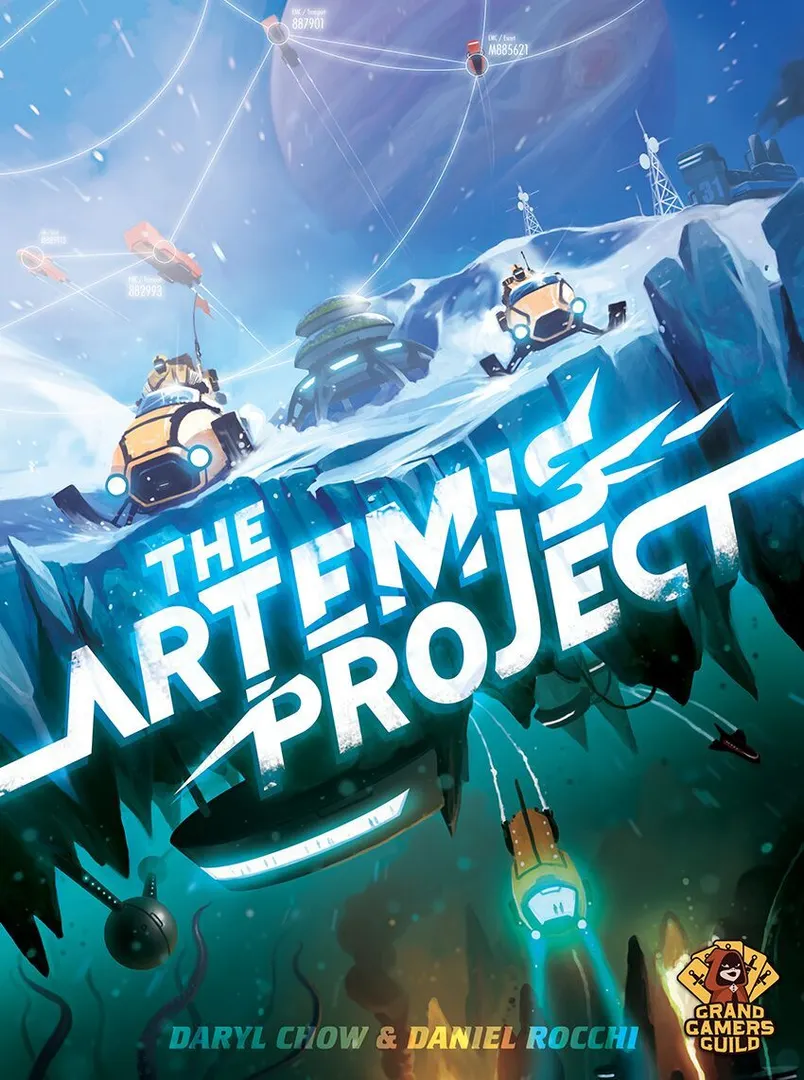
Europa, Jupiter's moon. Deep beneath the crust, the oceans are teeming with alien sea life. Shellfish, plants, corals, arthropods, even strange fish and larger sea creatures populate a wide-ranging interconnected web of hidden seas. Volcanism is rampant, warming the mineral-rich waters and creating excellent conditions for energy-harvesting. The largest cavern close to the surface is known as The Pocket. This is where the initial teams of Stabilizers built their first outposts, with the intent to establish long-term communities capable of surviving indefinitely. Aqua-farming is well established; food and other sundries are efficiently gathered. The Pocket has many deposits of minerals and crystals that can be mined and processed to create strong and versatile construction materials locally. Colonists arrive at the Doorstep at regular intervals when the Threshold is opened. The arrivals are of four general types: Pioneers (who are tasked with exploring the changing surface of the moon and the labyrinth of seas beneath), Engineers (who develop and operate the machinery and structures needed to run the colonies), Marines (who defend the colonies from hostile sea life, unwanted intruders, and other colonies), and Stewards (overseers responsible for strategy and negotiation). Colony development mostly occurs beneath the ice; this is where all of the moon’s resources are concentrated, so this is where the effort is best spent. To keep close to the surface, most colony structures are built clinging onto the underside of the ice crust. Surface structures will be built only once an undersea outpost is well established and beginning to thrive. In addition to construction and resource-gathering, colonies spend a lot of effort on exploring this new environment. The volcanic action and mineral-heavy waters make long-range scanning unreliable, so physical exploration is required to plumb the depths. As the Pocket is explored and expanded, the established colonies have been making some unusual discoveries beneath the ice. Deep in the trenches, artifacts of non-human origin are starting to be found. The dark seas hide many secrets. Squads of mercenaries occasionally appear on the surface and beneath the sea, penetrating the Threshold somehow to carry out an unknown mission on the moon. These aspects are worrisome but can’t distract the colonies from their main goals. It is still early in the Artemis project. A foothold on life here has been gained, but it will take tenacious effort from the competing colonies to reach the point where Europa is truly viable as a home. The Artemis Project is a dice (dis)placement and engine building game that has you fighting the planet as well as the other players. Roll your dice and place them tactically to thwart the other colonists. Harvest energy and minerals. Bid for buildings. Work together to go on Expeditions to earn rewards. Train workers. Will your efforts be enough to survive?
Secondo il catalogo, The Artemis Project supporta da 1 a 5 giocatori. L’intervallo corrisponde al numero di giocatori indicato dall’editore, quindi il gioco si può preparare per qualsiasi gruppo entro quei limiti. Preparazione, alcune regole e punteggio possono comunque variare in base al numero di giocatori: controlla la configurazione esatta nel regolamento della tua edizione.
La durata indicata per The Artemis Project è di 60–75 minuti, la stima dell’editore per una partita completa. La durata effettiva dipende dal gruppo, dal numero di giocatori e dalla conoscenza delle regole: le prime partite durano di più, i gruppi esperti finiscono prima. Preparazione e spiegazione delle regole non sono comprese nella stima.
Il catalogo indica The Artemis Project dai 13 anni in su. È la raccomandazione dell’editore e tiene conto della lettura richiesta, della complessità delle regole e dei componenti piccoli, non solo del tema. I più giovani spesso possono giocare con l’aiuto di un adulto: controlla l’età consigliata sulla tua edizione e l’esperienza del tuo gruppo con i giochi da tavolo.
The Artemis Project ha un punteggio di complessità di 2,9 su 5 secondo i giocatori di BoardGameGeek, il che lo rende un gioco piuttosto leggero. Il punteggio riflette quanta conoscenza delle regole, pianificazione e decisioni richiede una partita tipica. I giochi impegnativi richiedono una prima spiegazione più lunga, quindi conviene usare una guida di preparazione.
The Artemis Project appartiene a queste categorie: Dice, Science Fiction e Space Exploration. Le sue meccaniche principali sono Set Collection, Auction / Bidding e Dice Rolling. Le categorie descrivono il tema e l’ambientazione di un gioco, mentre le meccaniche descrivono ciò che i giocatori fanno davvero nel proprio turno. Ogni meccanica porta a una pagina del catalogo con giochi simili.
Gli autori accreditati di The Artemis Project sono: Daryl Chow e Daniel Rocchi. Questi crediti provengono dai dati pubblicati del gioco e indicano le persone responsabili della sua progettazione, non gli illustratori o gli editori. Le pagine degli autori su MeepleRules raccolgono altri titoli degli stessi autori, utili quando un gioco ti piace e ne cerchi di simili.
Il catalogo classifica The Artemis Project come gioco base. Si gioca da solo con i componenti presenti nella scatola e non richiede altri titoli. Le espansioni, se esistono, aggiungono nuovo contenuto o nuove regole e sono elencate separatamente nel catalogo con un collegamento a questo gioco base.