
- Posizione BGG
- BGG #13.332
- Valutazione BGG
- 6,7
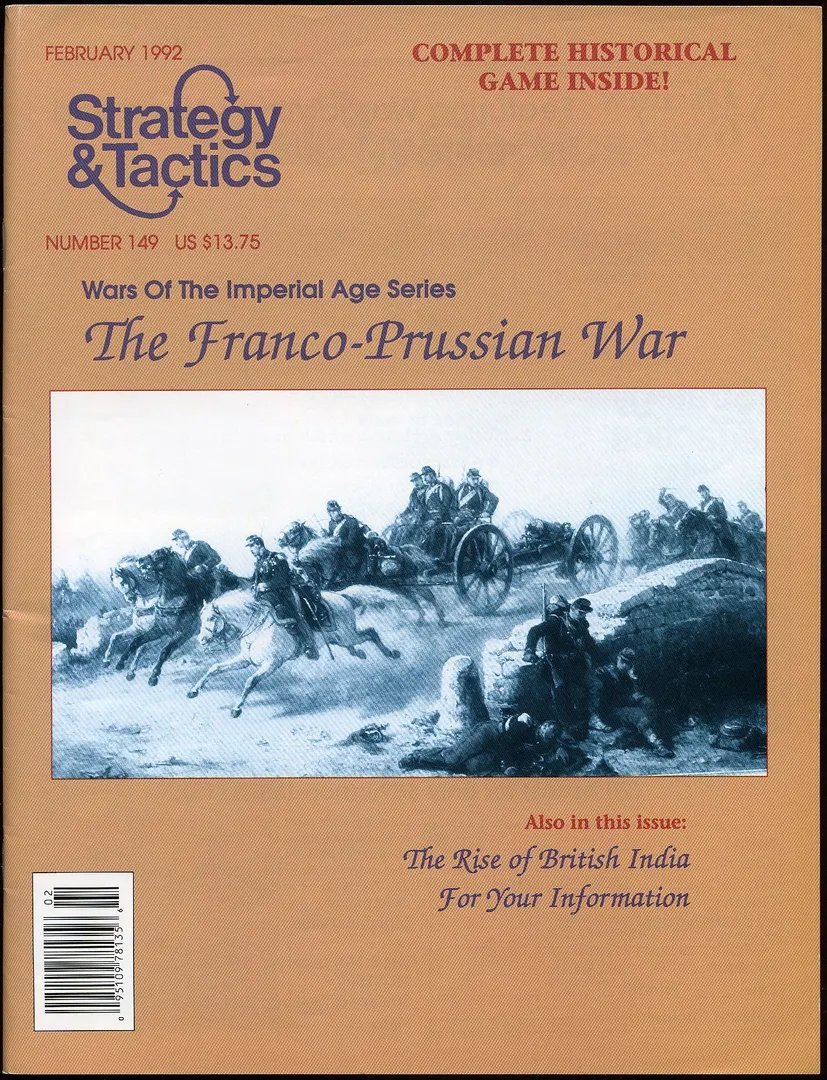
The Franco-Prussian War
- 2 giocatori
- 360–600 min
- Complessità 3,1/5
- 1992
1992
Aiuto con le regole di The Russo-Turkish War, 1877-78
Spiegazioni chiare di turni, effetti delle carte e situazioni dubbie, con riferimenti alle fonti ufficiali e cronologia delle domande salvata.
Per 2 giocatori
Cosa vuoi sapere?
Le risposte vengono dal regolamento ufficiale, con la pagina da verificare.
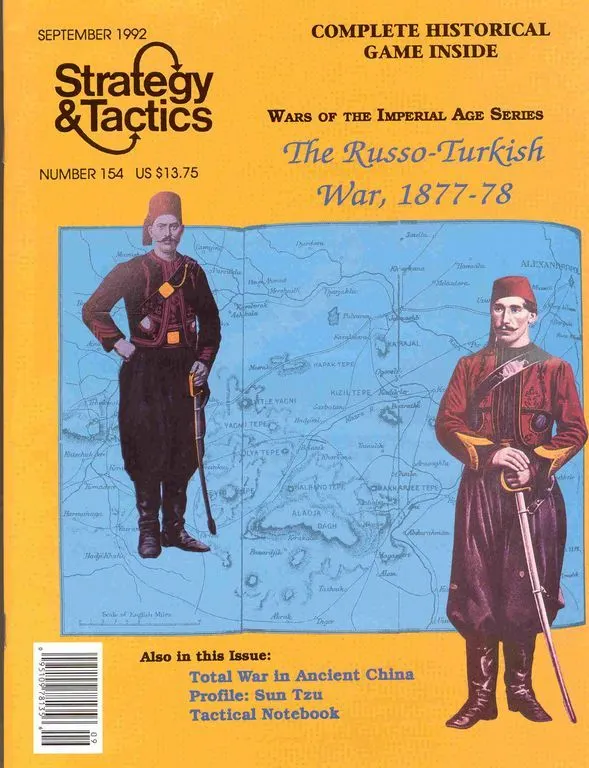
The Russo-Turkish War, 1877-78 è un gioco da tavolo pubblicato nel 1992 per 2 giocatori, con partite da 120 minuti e dai 12 anni in su. È stato ideato da Joseph Miranda e le sue meccaniche principali sono Dice Rolling e Hexagon Grid.
%2Fpic1139728.jpg@webp)

In inglese
The Struggle between the Russian and Ottoman Empires was already centuries old when war broke out in 1877. It had its origins in the bitter conflict between Muslims and Christians, Slavs and Turks. The war proved to be a turning point in that it completely altered the balance of power in the east. In less than 40 years this helped produce the European catastrophe known as the Great War (WW I). Echoes of these ethnic and religious troubles resound today, as the peoples of Balkans and Near East still fight each other in a struggle for dominance. The Russo-Turkish War did not just cripple the Ottoman Empire. It made Russia into the dominant power in the East, and demonstrated the twin impact of modern technology and modern ideology on warfare. The System rules apply to all games in the Wars of the Imperial Age series, and simulate the conditions of warfare in the late 19th century. This is a revision of the System rules presented with Franco-Prussian War (S&T #149), and completely replaces the System rules book found there. Important changes from the original version are indicated by a double pound sign (##) at the beginning of the rule. Players familiarizing themselves with the game may wish to use just the System rules. The Specific Rules that apply only to the particular game and cover military and political conditions unique to the specific situation. Units represent historical leaders and headquarters staffs; corps, division-, and brigade-sized units; and fortifications. Each unit is rated for its combat strength, training class, and movement ability. (Specific Rules) Additionally, headquarters are rated for their Operations capability to enhance movement and combat capabilities, as well as conduct various politically oriented functions. All units are deployed face down, and are revealed to the enemy only if he conducts reconnaissance or intelligence operations. Movement is performed by the moving force rolling on one of four March tables (Regular March, Forced March, Railroad, Naval) and applying the result. Combat is fought between enemy units in individual adjacent hexes; each player draws a Battle Results marker at random. This gives the number of enemy combat factors eliminated, effects on enemy morale, and special results for cavalry, and siege guns.The typical size of units are brigades. Politics are a factor in the game. Each side has a National Will Index which gives the current level of popular support. This is affected by combat outcomes and other game events. (Specific Rules) Each turn, players have the opportunity to draw Political Events markers, representing various factors affecting the outcome of the conflict. Published in Strategy & Tactics magazine #154, Sep 1992. Errata was published in S&T #157 & 159. Replacement counters were issued in S&T #162 (2 counters) and S&T #171 (1 counter).
Secondo il catalogo, The Russo-Turkish War, 1877-78 supporta 2 giocatori. È il numero di giocatori indicato dall’editore, quindi il gioco è pensato esattamente per quel numero di partecipanti. Le varianti per gruppi di altre dimensioni, se esistono, sono descritte nel regolamento della tua edizione: consultalo prima di preparare una configurazione diversa.
La durata indicata per The Russo-Turkish War, 1877-78 è di 120 minuti, la stima dell’editore per una partita completa. La durata effettiva dipende dal gruppo, dal numero di giocatori e dalla conoscenza delle regole: le prime partite durano di più, i gruppi esperti finiscono prima. Preparazione e spiegazione delle regole non sono comprese nella stima.
Il catalogo indica The Russo-Turkish War, 1877-78 dai 12 anni in su. È la raccomandazione dell’editore e tiene conto della lettura richiesta, della complessità delle regole e dei componenti piccoli, non solo del tema. I più giovani spesso possono giocare con l’aiuto di un adulto: controlla l’età consigliata sulla tua edizione e l’esperienza del tuo gruppo con i giochi da tavolo.
The Russo-Turkish War, 1877-78 ha un punteggio di complessità di 3,2 su 5 secondo i giocatori di BoardGameGeek, il che lo rende un gioco di media complessità. Il punteggio riflette quanta conoscenza delle regole, pianificazione e decisioni richiede una partita tipica. I giochi impegnativi richiedono una prima spiegazione più lunga, quindi conviene usare una guida di preparazione.
The Russo-Turkish War, 1877-78 appartiene a queste categorie: Wargame e Post-Napoleonic. Le sue meccaniche principali sono Dice Rolling e Hexagon Grid. Le categorie descrivono il tema e l’ambientazione di un gioco, mentre le meccaniche descrivono ciò che i giocatori fanno davvero nel proprio turno. Ogni meccanica porta a una pagina del catalogo con giochi simili.
Gli autori accreditati di The Russo-Turkish War, 1877-78 sono: Joseph Miranda. Questi crediti provengono dai dati pubblicati del gioco e indicano le persone responsabili della sua progettazione, non gli illustratori o gli editori. Le pagine degli autori su MeepleRules raccolgono altri titoli degli stessi autori, utili quando un gioco ti piace e ne cerchi di simili.
Il catalogo classifica The Russo-Turkish War, 1877-78 come gioco base. Si gioca da solo con i componenti presenti nella scatola e non richiede altri titoli. Le espansioni, se esistono, aggiungono nuovo contenuto o nuove regole e sono elencate separatamente nel catalogo con un collegamento a questo gioco base.