
- Valutazione BGG
- 7,6
Thunderstone: Doomgate Legion
- 1–5 giocatori
- 60 min
- Complessità 2,8/5
- 2010
2009
Aiuto con le regole di Thunderstone
Spiegazioni chiare di turni, effetti delle carte e situazioni dubbie, con riferimenti alle fonti ufficiali e cronologia delle domande salvata.
Per 1 giocatore
Cosa vuoi sapere?
Le risposte vengono dal regolamento ufficiale, con la pagina da verificare.
Thunderstone è un gioco da tavolo pubblicato nel 2009 per 1–5 giocatori, con partite da 60 minuti e dai 12 anni in su. È stato ideato da Mike Elliott e le sue meccaniche principali sono Hand Management, Open Drafting e Deck, Bag, and Pool Building.
In inglese
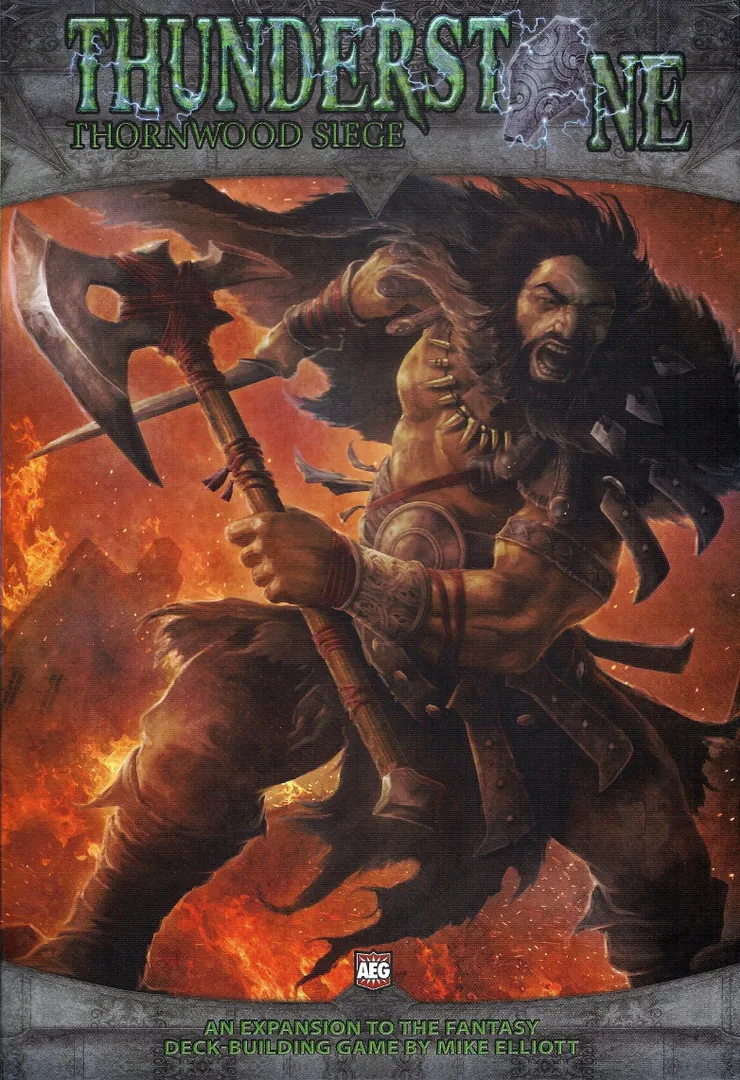
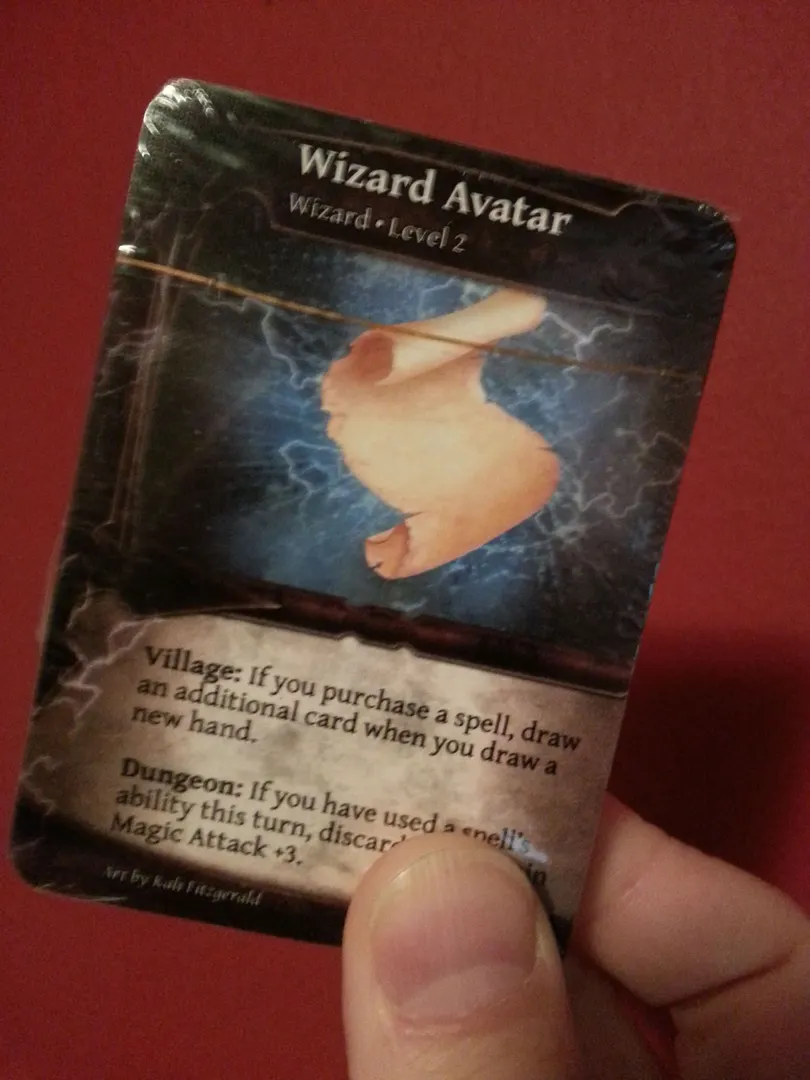
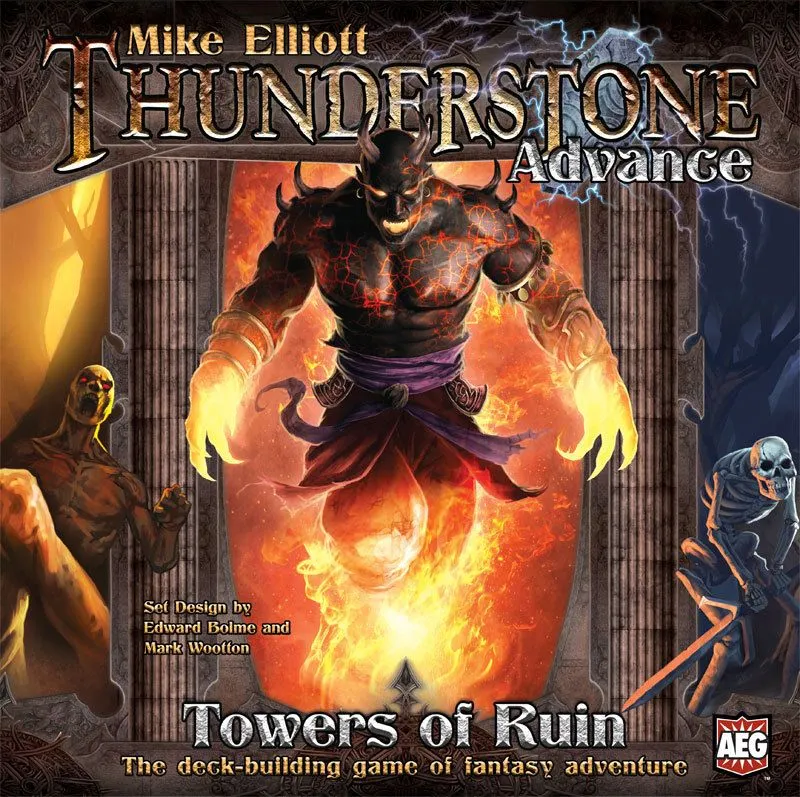
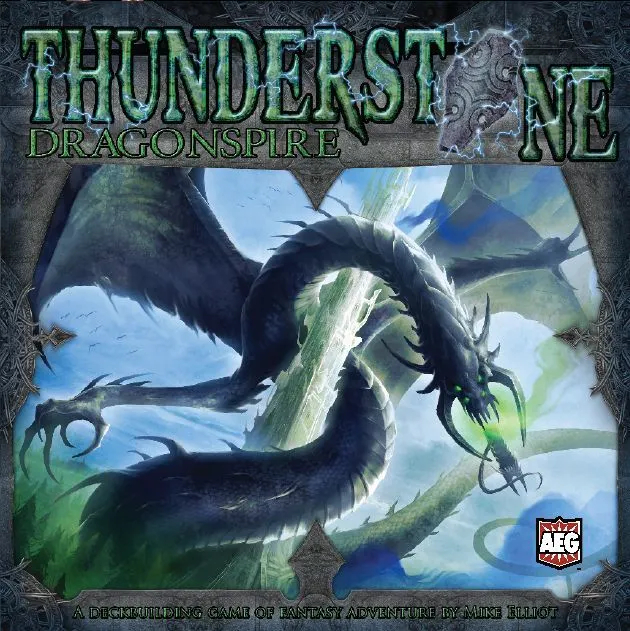
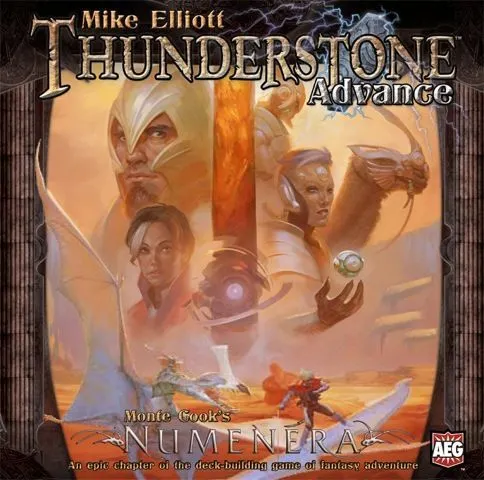
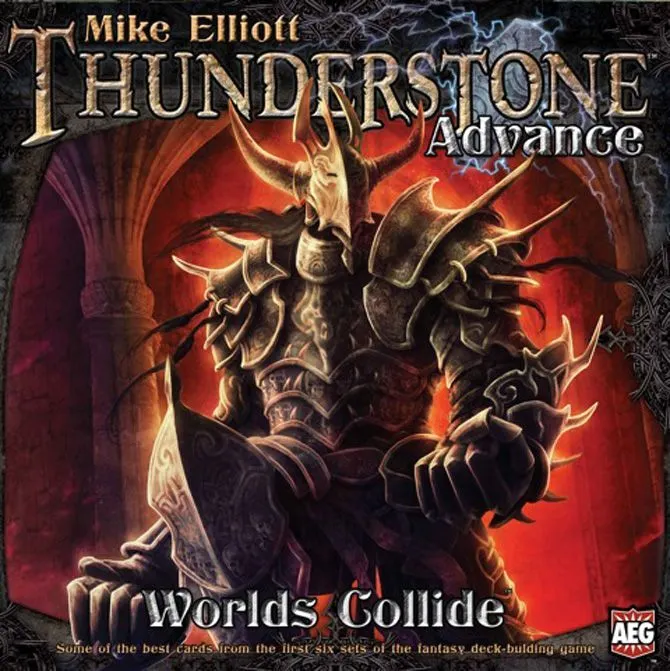
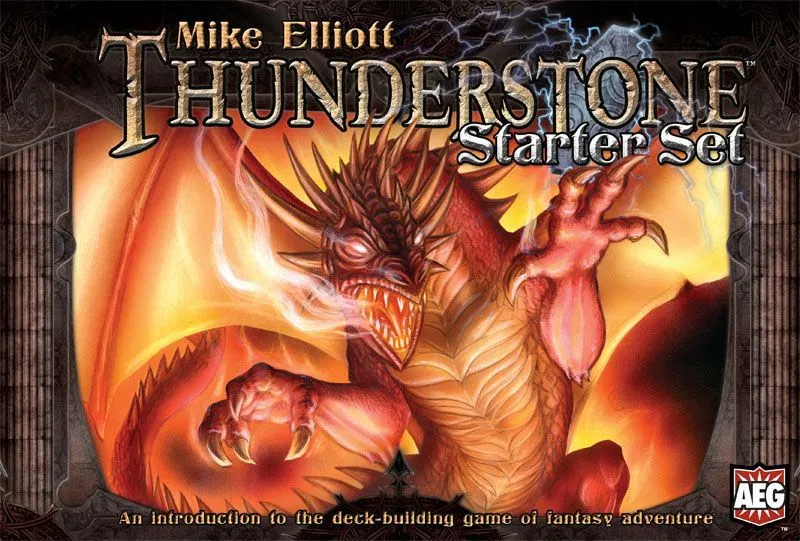
For ages the vile Doom Knights have sought to gather the remaining Thunderstones to fulfill a prophecy of corruption over the lands. Now the first Thunderstone has been discovered in the Dungeons of Grimhold and the Doom Knights have sent their minions to claim the relic. The Villagers of Barrowsdale gather brave souls to face the dungeon and keep the Thunderstone out of the hands of the Doom Knights. Thunderstone is a fantasy deck-building game much in the style of Dominion. Before the game starts a selection of Village and Hero cards will be randomnly chosen that players may add to their specific decks. Like Dominion, every player starts with a basic deck of weaker cards that they can use to purchase other more powerful cards. In Thunderstone these cards may be different Heroes such as mages, archers, thieves, or warriors or they may be supplies the heroes need like weapons, rations, or light to reach further into the dungeon. A dungeon deck is also created by combining several different groups of monsters. Certain groups of monsters may be more or less susceptible to different Hero types, so players will have to take this into account when they choose what to buy. Rather than buying puny Victory Points, players will use their deck to defeat monsters in the dungeon. From the monster deck a row of cards is laid out. Players may on their turn choose to attack a monster in the deck rather than visit town and buy cards. If they do this they play cards from their hand and resolve their abilities in order to boost strength and have enough light to reach a specific monster. Some monsters also have special abilities which may hinder the player. If they have enough strength they defeat the monster and place that card in their deck. This card is worth victory points and often can be used as money to purchase other cards. In addition to this, players are awarded experience points for defeating monsters which can be used to upgrade their heroes into more powerful versions. The game is played until the Thunderstone is revealed from the dungeon and a player is able to claim it. The player with the most victory points in their deck is the winner. The basic Thunderstone framework was updated in the implementation of Thunderstone: Advance. Integrates with Thunderstone Advance: Towers of Ruin Thunderstone: Dragonspire Thunderstone: Starter Set
Secondo il catalogo, Thunderstone supporta da 1 a 5 giocatori. L’intervallo corrisponde al numero di giocatori indicato dall’editore, quindi il gioco si può preparare per qualsiasi gruppo entro quei limiti. Preparazione, alcune regole e punteggio possono comunque variare in base al numero di giocatori: controlla la configurazione esatta nel regolamento della tua edizione.
La durata indicata per Thunderstone è di 60 minuti, la stima dell’editore per una partita completa. La durata effettiva dipende dal gruppo, dal numero di giocatori e dalla conoscenza delle regole: le prime partite durano di più, i gruppi esperti finiscono prima. Preparazione e spiegazione delle regole non sono comprese nella stima.
Il catalogo indica Thunderstone dai 12 anni in su. È la raccomandazione dell’editore e tiene conto della lettura richiesta, della complessità delle regole e dei componenti piccoli, non solo del tema. I più giovani spesso possono giocare con l’aiuto di un adulto: controlla l’età consigliata sulla tua edizione e l’esperienza del tuo gruppo con i giochi da tavolo.
Thunderstone ha un punteggio di complessità di 2,5 su 5 secondo i giocatori di BoardGameGeek, il che lo rende un gioco piuttosto leggero. Il punteggio riflette quanta conoscenza delle regole, pianificazione e decisioni richiede una partita tipica. I giochi impegnativi richiedono una prima spiegazione più lunga, quindi conviene usare una guida di preparazione.
Thunderstone appartiene a queste categorie: Card Game, Fantasy e Fighting. Le sue meccaniche principali sono Hand Management, Open Drafting e Deck, Bag, and Pool Building. Le categorie descrivono il tema e l’ambientazione di un gioco, mentre le meccaniche descrivono ciò che i giocatori fanno davvero nel proprio turno. Ogni meccanica porta a una pagina del catalogo con giochi simili.
Gli autori accreditati di Thunderstone sono: Mike Elliott. Questi crediti provengono dai dati pubblicati del gioco e indicano le persone responsabili della sua progettazione, non gli illustratori o gli editori. Le pagine degli autori su MeepleRules raccolgono altri titoli degli stessi autori, utili quando un gioco ti piace e ne cerchi di simili.
Il catalogo classifica Thunderstone come gioco base. Si gioca da solo con i componenti presenti nella scatola e non richiede altri titoli. Le espansioni, se esistono, aggiungono nuovo contenuto o nuove regole e sono elencate separatamente nel catalogo con un collegamento a questo gioco base.