
- Posizione BGG
- BGG #1254
- Valutazione BGG
- 7,2
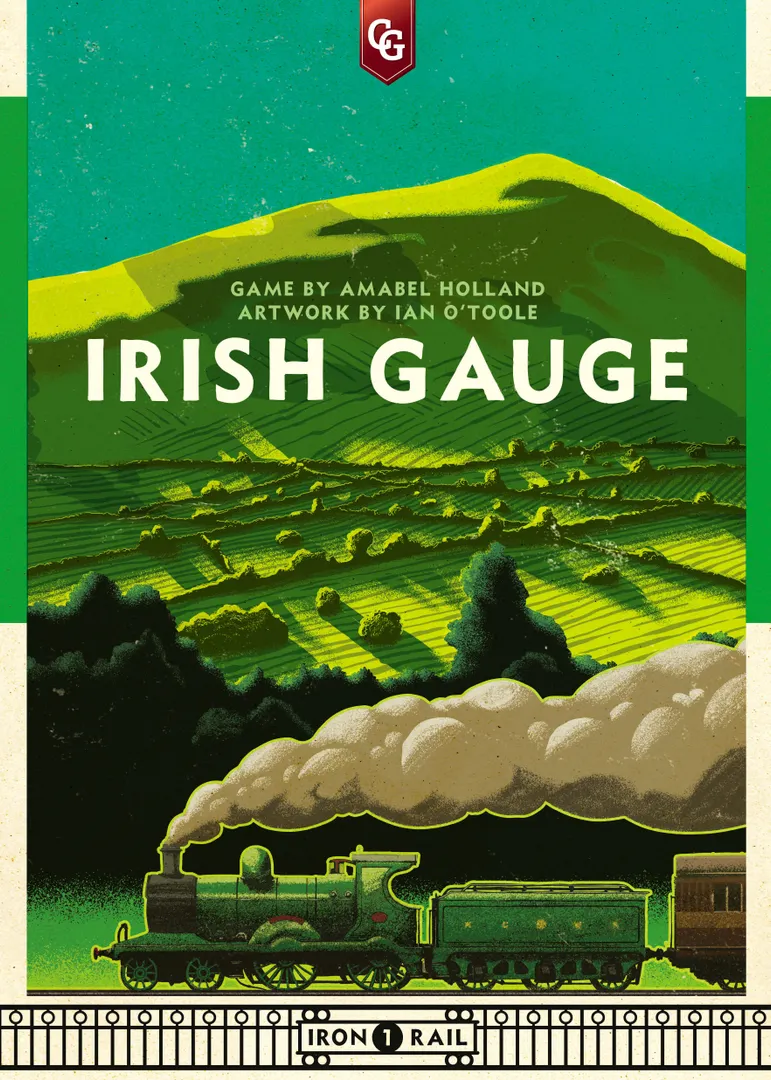
Irish Gauge
- 3–5 giocatori
- 60 min
- Complessità 2,3/5
- 2014
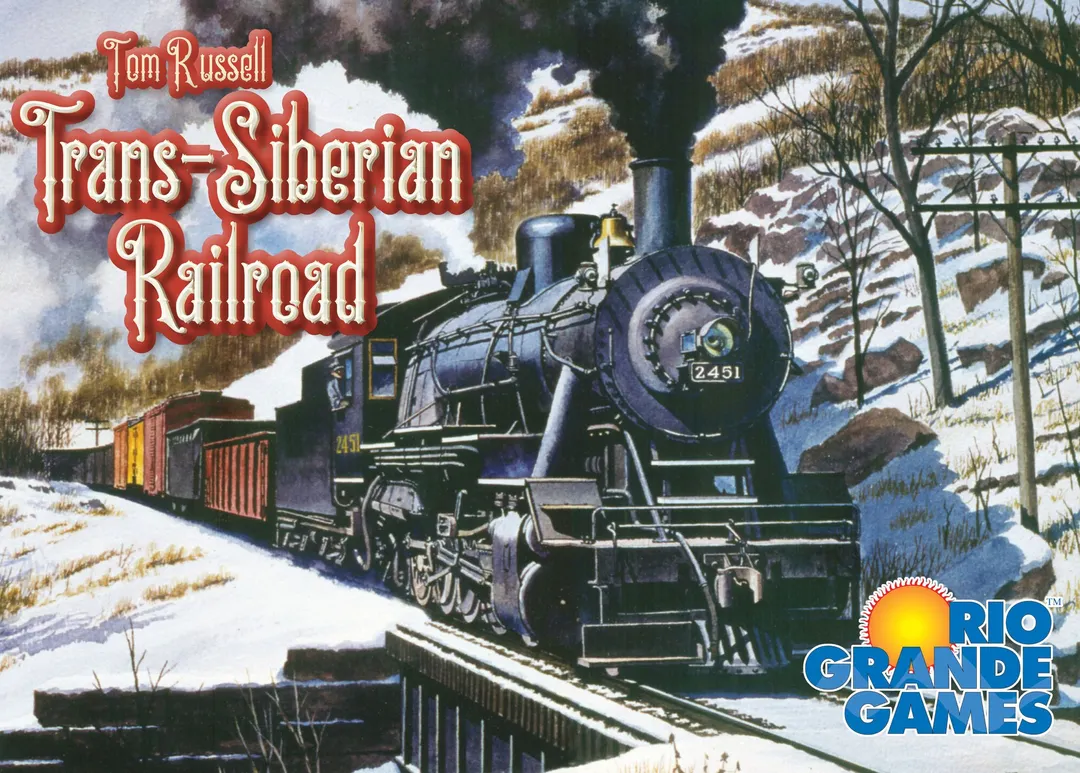
2015
Aiuto con le regole di Trans-Siberian Railroad
Spiegazioni chiare di turni, effetti delle carte e situazioni dubbie, con riferimenti alle fonti ufficiali e cronologia delle domande salvata.
Per 3 giocatori
Cosa vuoi sapere?
Le risposte vengono dal regolamento ufficiale, con la pagina da verificare.
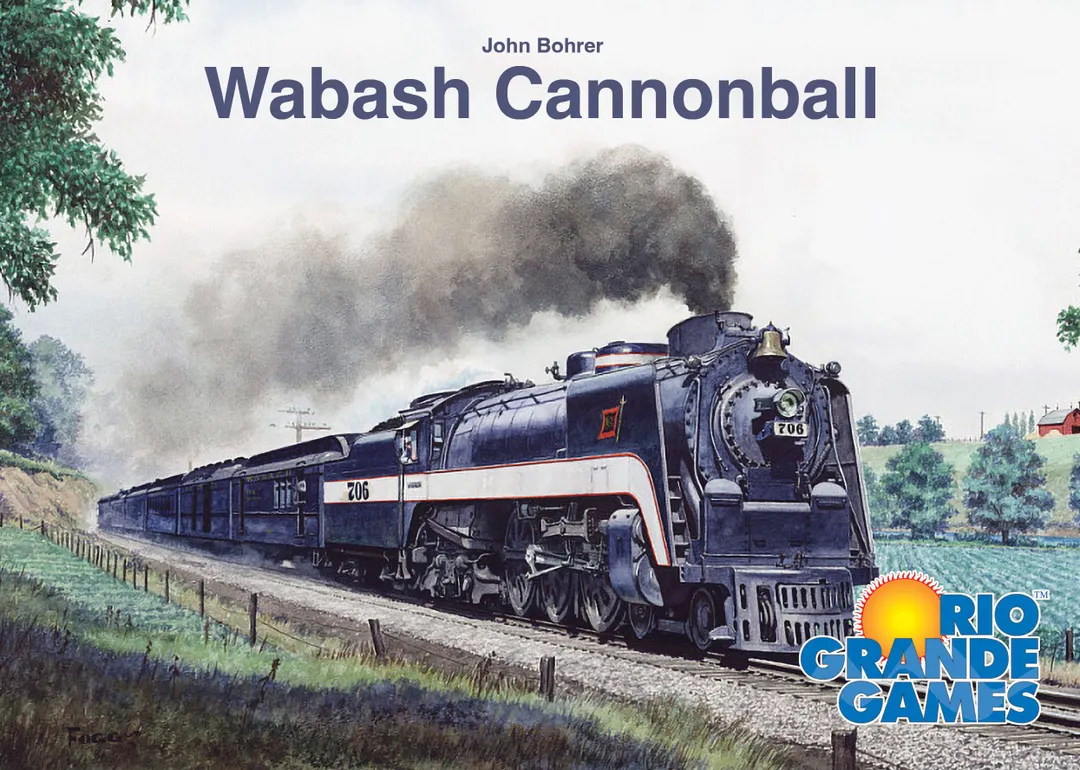
Trans-Siberian Railroad è un gioco da tavolo pubblicato nel 2015 per 3–5 giocatori, con partite da 60 minuti e dai 14 anni in su. È stato ideato da Amabel Holland e le sue meccaniche principali sono Auction / Bidding, Income e Network and Route Building.




In inglese
In the late 19th century, the Russian government commissioned a project to build a railroad that would connect Moscow in the west with Vladivostok in the east. You and your fellow players are buying shares of the railroads that will expand across Russia, attempting to enrich yourself along the way and not lose control of railroads to the Tsar! Trans-Siberian Railroad — originally one of three titles in Winsome Games' 2015 Essen Set — shares some similarities with older Winsome titles in which the rail network is already printed on the board and individual railroad companies purchase the links that are printed. Four companies (Red, Blue, Green, and Yellow) are active at the start of the game, with one share of each company auctioned to the players in that order to provide starting capital for those companies. The winner of each auction chooses an unoccupied link from Moscow to another city; each link has a value listed in it, and the railroad's initial income is set to this value. Once the game begins, on a turn you can: • Buy stock, specifically one share in one company or one share each in two different companies; the money paid is placed in the railroad's treasury, and when you buy two shares, you must pay an additional $4 to one of the two companies. • Build links, specifically one link, two links, or one external link (i.e. to a location on Russia's border) — but only if the railroad is public (i.e., at least two shares have been purchased) and you hold at least as many shares in that railroad as each other player. (If a railroad has had only one share of stock purchased, it is private.) You can build direct links that extend that railroad's existing network or you can jump another railroad's links to extend the network in a more convoluted way. When you build two links, the second link must start from where the first link built that turn ended. The cost to build an internal link is $4, and if you jump another railroad's links, you must pay $2 to that railroad's treasury; the cost to build an external link is $8, plus $4 to each railroad per link you jumped. When you build a link, the value of that link — 2-6 — is added to that railroad's income. Each time a railroad's income marker lands on or passes over a black mark on the income track, that railroad's stock value is bumped up one level. Additionally, when you build two links or an external link, that railroad's stock value is bumped up one level. • Pass. When you buy two shares, build two links, build one external link, or pass, you move the timing token one space on the timing track. When this token reaches the end of the track, each railroad pays dividends to those who hold stock in it, with the railroad's income being divided by the number of shares owned, then rounded up. If Red has $11 income and you own two shares and another player owns one, then you receive $8 and the other player $4. After paying out dividends (and re-setting the timing token to 0), if any railroad has a stock value of at least $48, then the game enters phase 2, which starts with an auction for a share of the black and white railroads, with the winner of each auction claiming any one non-external link for that railroad that connects to another railroad's network. In phase 2, once you pay out dividends, you check to see whether any railroad's stock value is equal to or less than the nationalization value, which starts at $24 and which increases after each dividend payout in phase 1, each failure to auction a railroad's share at the start of either phase, and each dividend payout in phase 2 during which no railroads were nationalized. If a railroad's stock value is less than the nationalization value, that railroad is nationalized, with each owner of its stock getting one final dividend payment, after which all shares of that railroad are removed from the game. Once all nationalizations are complete, the nationalization value is increased three levels for each nationalization that took place. If at this point any railroad has a stock value of $75 or the dividend marker has reached the end of the track, the game ends; otherwise players continue playing. When the game ends, players sum the value of the stocks they hold in public railroads with any money they have on hand. The player with the most money wins.
Secondo il catalogo, Trans-Siberian Railroad supporta da 3 a 5 giocatori. L’intervallo corrisponde al numero di giocatori indicato dall’editore, quindi il gioco si può preparare per qualsiasi gruppo entro quei limiti. Preparazione, alcune regole e punteggio possono comunque variare in base al numero di giocatori: controlla la configurazione esatta nel regolamento della tua edizione.
La durata indicata per Trans-Siberian Railroad è di 60 minuti, la stima dell’editore per una partita completa. La durata effettiva dipende dal gruppo, dal numero di giocatori e dalla conoscenza delle regole: le prime partite durano di più, i gruppi esperti finiscono prima. Preparazione e spiegazione delle regole non sono comprese nella stima.
Il catalogo indica Trans-Siberian Railroad dai 14 anni in su. È la raccomandazione dell’editore e tiene conto della lettura richiesta, della complessità delle regole e dei componenti piccoli, non solo del tema. I più giovani spesso possono giocare con l’aiuto di un adulto: controlla l’età consigliata sulla tua edizione e l’esperienza del tuo gruppo con i giochi da tavolo.
Trans-Siberian Railroad ha un punteggio di complessità di 2,9 su 5 secondo i giocatori di BoardGameGeek, il che lo rende un gioco piuttosto leggero. Il punteggio riflette quanta conoscenza delle regole, pianificazione e decisioni richiede una partita tipica. I giochi impegnativi richiedono una prima spiegazione più lunga, quindi conviene usare una guida di preparazione.
Trans-Siberian Railroad appartiene a queste categorie: Economic e Trains. Le sue meccaniche principali sono Auction / Bidding, Income e Network and Route Building. Le categorie descrivono il tema e l’ambientazione di un gioco, mentre le meccaniche descrivono ciò che i giocatori fanno davvero nel proprio turno. Ogni meccanica porta a una pagina del catalogo con giochi simili.
Gli autori accreditati di Trans-Siberian Railroad sono: Amabel Holland. Questi crediti provengono dai dati pubblicati del gioco e indicano le persone responsabili della sua progettazione, non gli illustratori o gli editori. Le pagine degli autori su MeepleRules raccolgono altri titoli degli stessi autori, utili quando un gioco ti piace e ne cerchi di simili.
Il catalogo classifica Trans-Siberian Railroad come gioco base. Si gioca da solo con i componenti presenti nella scatola e non richiede altri titoli. Le espansioni, se esistono, aggiungono nuovo contenuto o nuove regole e sono elencate separatamente nel catalogo con un collegamento a questo gioco base.