- Valutazione BGG
- 7,2
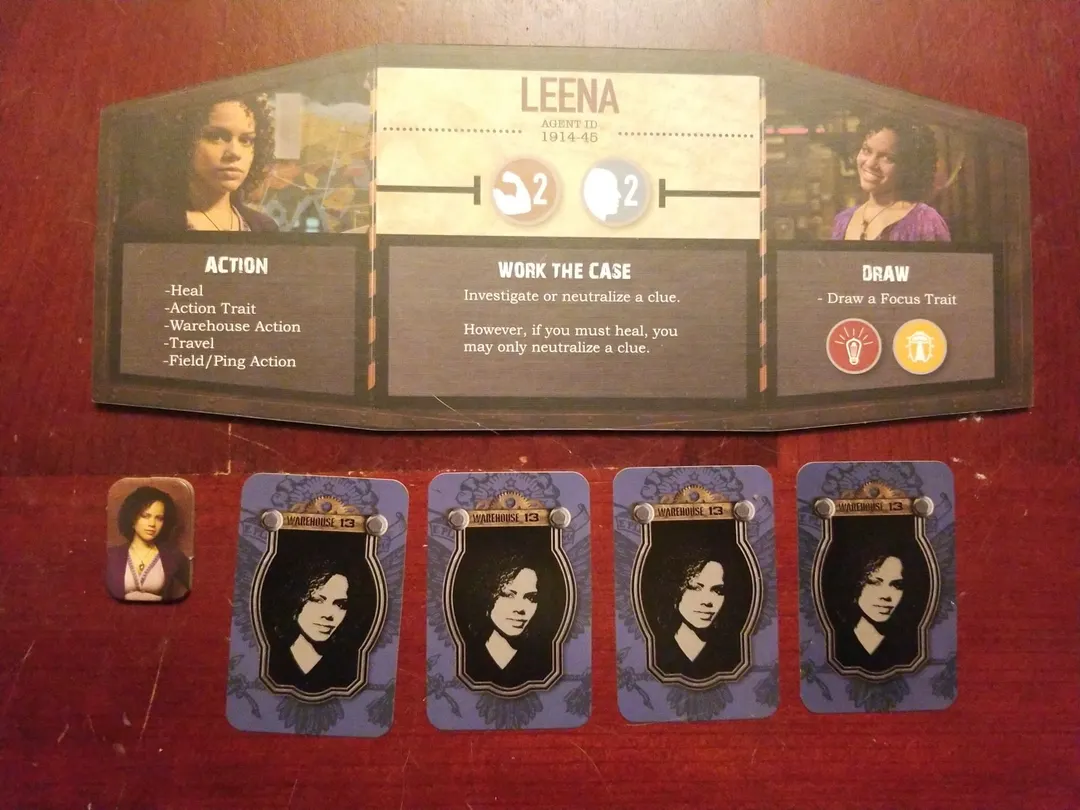
Warehouse 13: Leena
- 2–5 giocatori
- 120–150 min
- Complessità 2,0/5
- 2019
2019
Aiuto con le regole di Warehouse 13: The Board Game
Spiegazioni chiare di turni, effetti delle carte e situazioni dubbie, con riferimenti alle fonti ufficiali e cronologia delle domande salvata.
Per 2 giocatori
Cosa vuoi sapere?
Le risposte vengono dal regolamento ufficiale, con la pagina da verificare.
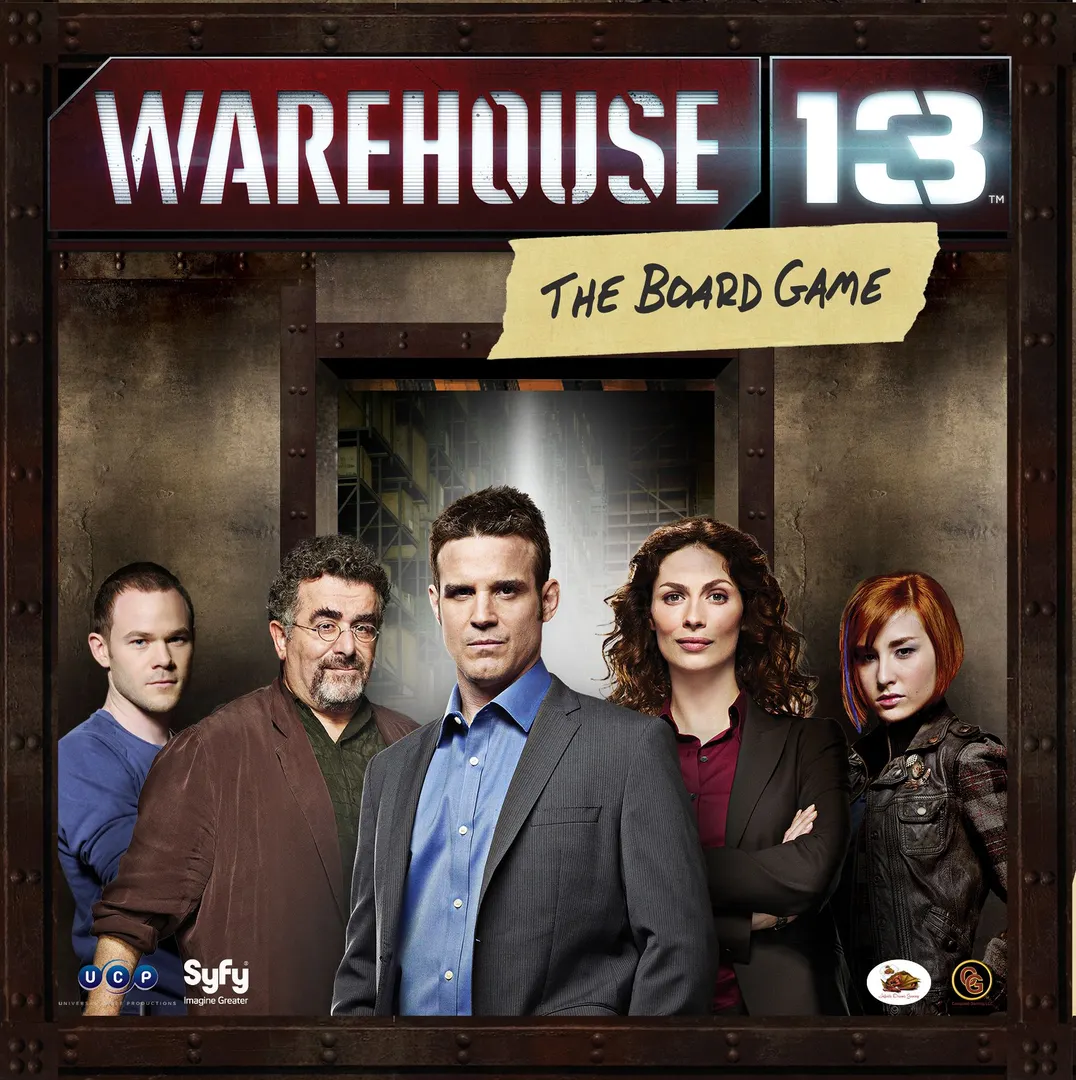
Warehouse 13: The Board Game è un gioco da tavolo pubblicato nel 2019 per 2–5 giocatori, con partite da 120 a 150 minuti e dai 14 anni in su. È stato ideato da Russ Rupe, M. Shawn Smith, II e Michael Aldridge e le sue meccaniche principali sono Variable Player Powers, Hand Management e Dice Rolling.



In inglese
The Warehouse is a massive, top-secret government facility in South Dakota that houses dangerous and fantastical objects. Agents assigned to the Warehouse risk their lives to retrieve these artifacts to keep them away from nefarious individuals who seek to use the artifacts for personal gain. In Warehouse 13: The Board Game, players take on the role of Warehouse Agents who must work together to retrieve these artifacts. But is everyone looking out for the Warehouse's interests, or might one of the Agents be secretly working for the Warehouse's most ruthless adversary? Warehouse 13: The Board Game can be played by three to five players in about two hours. Each game of Warehouse 13: The Board Game is considered a Season, played over a series of Episodes. Each Episode will involve the investigation and retrieval of one artifact. Warehouse Agents must investigate clues, then use those clues to retrieve the artifact. However, one player is the Traitor, who secretly works for the Adversary. For every artifact that is lost, the Adversary becomes more powerful and thereby more difficult to defeat. Each Episode begins with the Ping Phase, in which the artifact's location is revealed and clue dice are rolled. Clues are represented by 13 custom six-sided dice. After the Ping Phase, the Investigation Phase begins. During the Adversary turn, the Adversary will act. Afterwards, each Agent must perform an Action, such as drawing Traits, playing a Trait, performing Warehouse Maintenance, or traveling to the Field. Next, each Agent must attempt to claim a clue die. If an Agent cannot claim a clue die, one must be neutralized, removing it from play for the remainder of that Episode. Finally, each Agent must draw a free Trait. The Investigation Phase repeats until all of the clue dice are either claimed or neutralized, then the Retrieval Phase begins. Each artifact displays symbols that correspond to the symbols on the clue dice. During each round of the Retrieval Phase, the players secretly roll all of their clue dice and each player chooses one to apply to the artifact. The chosen dice are revealed simultaneously. The Adversary will intervene by rolling Goo dice which can neutralize clue dice. If enough clues are applied to match the artifact's symbols, the artifact is retrieved. If the Agents run out of clue dice before rolling enough symbols, the artifact is lost to the Adversary. Play then continues to the next Episode. After three artifacts are retrieved, the Warehouse Agents win. However, if three artifacts are lost, the Finale begins, in which the Agents have one last chance to thwart the Adversary's grand scheme. At the beginning of the game, the Traitor is hidden. The Traitor can impact the game by failing to assist the Warehouse Agents, by failing to claim clues, or by failing to apply clues properly. If the Agents believe they have determined who the Traitor is, they can vote to Bronze that player, which reveals their Loyalty.
Secondo il catalogo, Warehouse 13: The Board Game supporta da 2 a 5 giocatori. L’intervallo corrisponde al numero di giocatori indicato dall’editore, quindi il gioco si può preparare per qualsiasi gruppo entro quei limiti. Preparazione, alcune regole e punteggio possono comunque variare in base al numero di giocatori: controlla la configurazione esatta nel regolamento della tua edizione.
La durata indicata per Warehouse 13: The Board Game è di 120–150 minuti, la stima dell’editore per una partita completa. La durata effettiva dipende dal gruppo, dal numero di giocatori e dalla conoscenza delle regole: le prime partite durano di più, i gruppi esperti finiscono prima. Preparazione e spiegazione delle regole non sono comprese nella stima.
Il catalogo indica Warehouse 13: The Board Game dai 14 anni in su. È la raccomandazione dell’editore e tiene conto della lettura richiesta, della complessità delle regole e dei componenti piccoli, non solo del tema. I più giovani spesso possono giocare con l’aiuto di un adulto: controlla l’età consigliata sulla tua edizione e l’esperienza del tuo gruppo con i giochi da tavolo.
Warehouse 13: The Board Game ha un punteggio di complessità di 3,1 su 5 secondo i giocatori di BoardGameGeek, il che lo rende un gioco di media complessità. Il punteggio riflette quanta conoscenza delle regole, pianificazione e decisioni richiede una partita tipica. I giochi impegnativi richiedono una prima spiegazione più lunga, quindi conviene usare una guida di preparazione.
Warehouse 13: The Board Game appartiene a queste categorie: Movies / TV / Radio theme, Deduction e Dice. Le sue meccaniche principali sono Variable Player Powers, Hand Management e Dice Rolling. Le categorie descrivono il tema e l’ambientazione di un gioco, mentre le meccaniche descrivono ciò che i giocatori fanno davvero nel proprio turno. Ogni meccanica porta a una pagina del catalogo con giochi simili.
Gli autori accreditati di Warehouse 13: The Board Game sono: Russ Rupe, M. Shawn Smith, II e Michael Aldridge. Questi crediti provengono dai dati pubblicati del gioco e indicano le persone responsabili della sua progettazione, non gli illustratori o gli editori. Le pagine degli autori su MeepleRules raccolgono altri titoli degli stessi autori, utili quando un gioco ti piace e ne cerchi di simili.
Il catalogo classifica Warehouse 13: The Board Game come gioco base. Si gioca da solo con i componenti presenti nella scatola e non richiede altri titoli. Le espansioni, se esistono, aggiungono nuovo contenuto o nuove regole e sono elencate separatamente nel catalogo con un collegamento a questo gioco base.