
- Posizione BGG
- BGG #1546
- Valutazione BGG
- 8,0
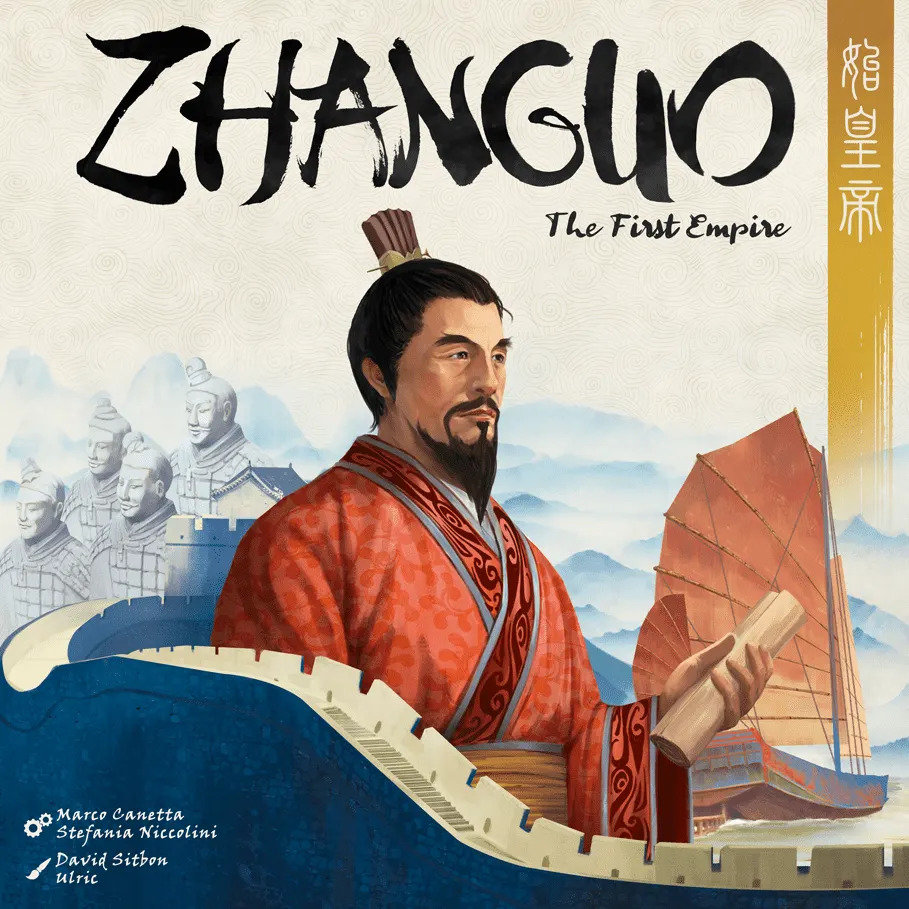
Zhanguo: The First Empire
- 1–4 giocatori
- 60–120 min
- Complessità 3,8/5
- 2023
2014
Aiuto con le regole di ZhanGuo
Spiegazioni chiare di turni, effetti delle carte e situazioni dubbie, con riferimenti alle fonti ufficiali e cronologia delle domande salvata.
Per 2 giocatori
Cosa vuoi sapere?
Le risposte vengono dal regolamento ufficiale, con la pagina da verificare.
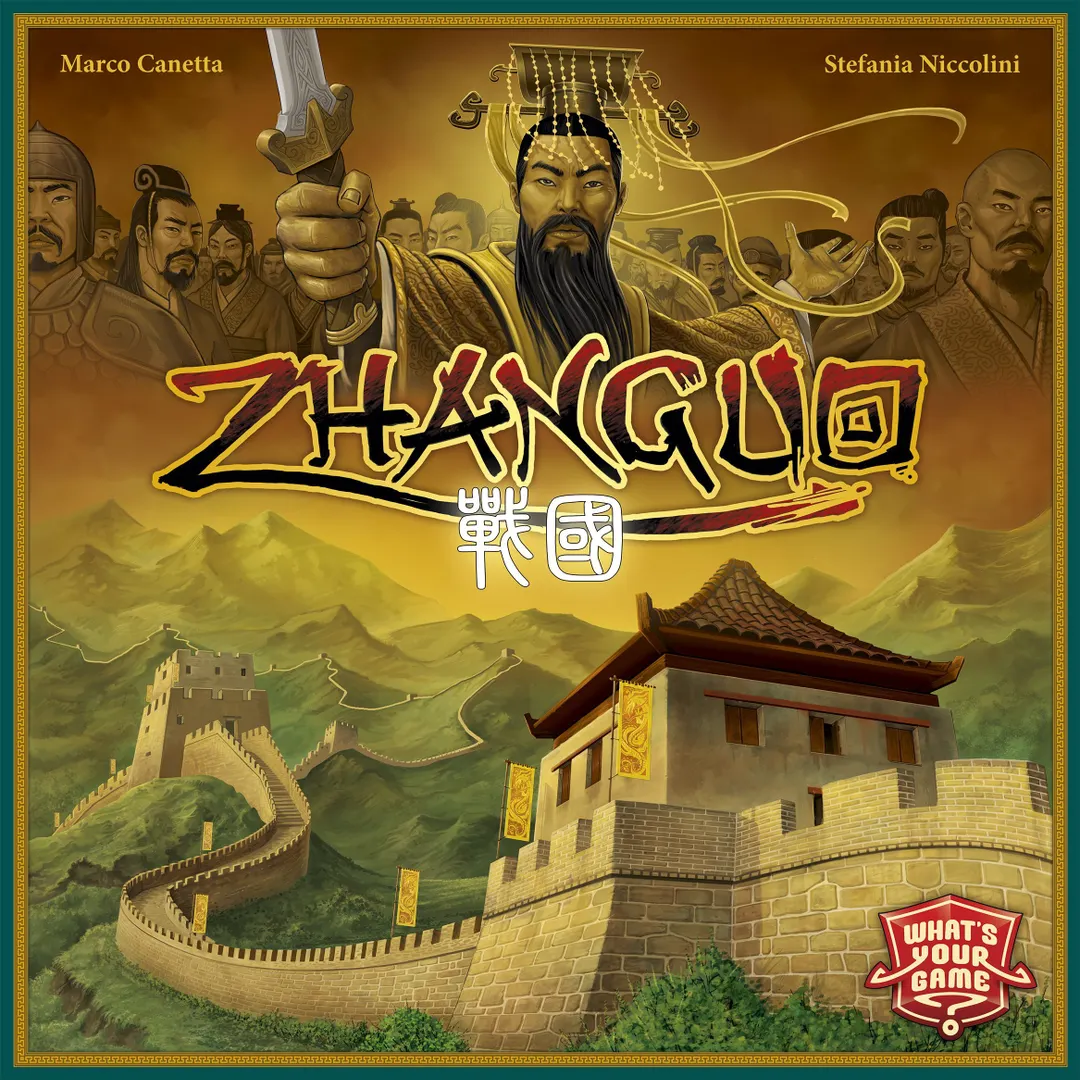
ZhanGuo è un gioco da tavolo pubblicato nel 2014 per 2–4 giocatori, con partite da 60 a 120 minuti e dai 12 anni in su. È stato ideato da Marco Canetta e Stefania Niccolini e le sue meccaniche principali sono Hand Management e Area Majority / Influence.



In inglese
Between 230 and 221 B.C., the ambitious and extremely young king of Qin, Ying Zheng, unified China, adding all the other so-called Warring States (ZhanGuo) to his empire. Through this, Ying Zheng became the first emperor in Chinese history, taking the title of Qin Shi Huang Di. Plenty of things had to change in order to make the Chinese empire whole, and Qin Shi Huang Di didn't waste any time. He divided the empire into prefectures, personally appointing central and local functionaries; afterward, he decreed that the same writing symbols had to be used throughout the entire nation. Furthermore, he unified the laws and the units of measure, particularly the currency, creating amazing conditions for the economic development and growth of the empire. Internal decisions were not the only things that shaped this new unified nation. From the North, the menace of the Hsiungnu barbarians kept shaking the empire, and Qin Shi Huang Di knew that the only way to stop that menace was to build one of the most ambitious buildings in human history: The Great Wall of China. Thousands of peasants left their fields to take part in the construction, not only of the Great Wall, but also of roads, channels, palaces, and majestic buildings. In ZhanGuo, you are the emperor's emissaries, and you have been assigned the challenging task of contributing to the process of unifying the empire, helping to build the wall, and all infrastructures needed. During the five rounds of the game, you must make the best of the few cards you get each round. You can play each card either on your own player board to increase your personal power in the empire, or on the game board to recruit manpower, construct buildings wanted by the emperor, call reinforcements from Qin, and move the armies from kingdom to kingdom. Each player has to choose the best time and best way to play his cards in order to earn the emperor’s favors. Careful, though, because trying to get too much power, or exploiting the workers for personal gain could increase dissatisfaction among the populace, and consequently increase the risk of uprisings in the newly added kingdoms. Whoever is able to make the greatest contribution to the emperor's cause, while at the same time keeping the citizens placid, will be the winner.
Secondo il catalogo, ZhanGuo supporta da 2 a 4 giocatori. L’intervallo corrisponde al numero di giocatori indicato dall’editore, quindi il gioco si può preparare per qualsiasi gruppo entro quei limiti. Preparazione, alcune regole e punteggio possono comunque variare in base al numero di giocatori: controlla la configurazione esatta nel regolamento della tua edizione.
La durata indicata per ZhanGuo è di 60–120 minuti, la stima dell’editore per una partita completa. La durata effettiva dipende dal gruppo, dal numero di giocatori e dalla conoscenza delle regole: le prime partite durano di più, i gruppi esperti finiscono prima. Preparazione e spiegazione delle regole non sono comprese nella stima.
Il catalogo indica ZhanGuo dai 12 anni in su. È la raccomandazione dell’editore e tiene conto della lettura richiesta, della complessità delle regole e dei componenti piccoli, non solo del tema. I più giovani spesso possono giocare con l’aiuto di un adulto: controlla l’età consigliata sulla tua edizione e l’esperienza del tuo gruppo con i giochi da tavolo.
ZhanGuo ha un punteggio di complessità di 3,8 su 5 secondo i giocatori di BoardGameGeek, il che lo rende un gioco impegnativo. Il punteggio riflette quanta conoscenza delle regole, pianificazione e decisioni richiede una partita tipica. I giochi impegnativi richiedono una prima spiegazione più lunga, quindi conviene usare una guida di preparazione.
ZhanGuo appartiene a queste categorie: Ancient. Le sue meccaniche principali sono Hand Management e Area Majority / Influence. Le categorie descrivono il tema e l’ambientazione di un gioco, mentre le meccaniche descrivono ciò che i giocatori fanno davvero nel proprio turno. Ogni meccanica porta a una pagina del catalogo con giochi simili.
Gli autori accreditati di ZhanGuo sono: Marco Canetta e Stefania Niccolini. Questi crediti provengono dai dati pubblicati del gioco e indicano le persone responsabili della sua progettazione, non gli illustratori o gli editori. Le pagine degli autori su MeepleRules raccolgono altri titoli degli stessi autori, utili quando un gioco ti piace e ne cerchi di simili.
Il catalogo classifica ZhanGuo come gioco base. Si gioca da solo con i componenti presenti nella scatola e non richiede altri titoli. Le espansioni, se esistono, aggiungono nuovo contenuto o nuove regole e sono elencate separatamente nel catalogo con un collegamento a questo gioco base.