
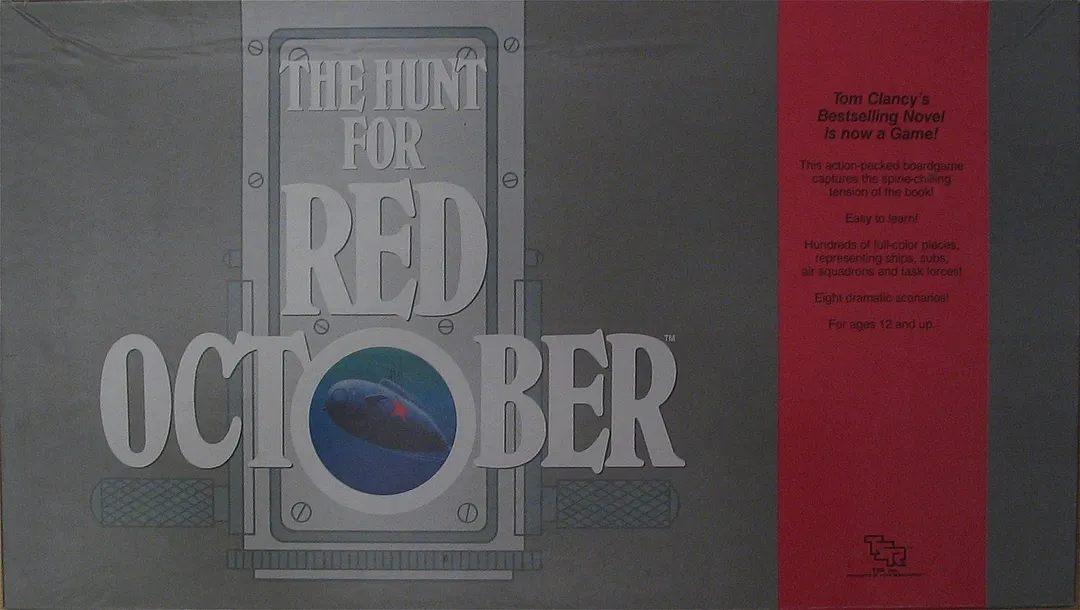
- Pozycja w BGG
- BGG #12 083
- Ocena BGG
- 6,0
The Hunt for Red October
- 2 graczy
- 60 min
- Złożoność 2,5/5
- 1988
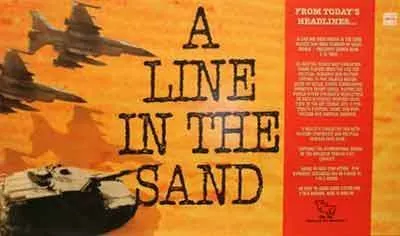
1991
Pomoc w zasadach gry A Line in the Sand
Zrozumiałe wyjaśnienia tur, efektów kart i spornych sytuacji z odnośnikami do oficjalnych źródeł i zapisaną historią pytań.
Co chcesz wiedzieć?
Odpowiedzi pochodzą z oficjalnej instrukcji, ze stroną do sprawdzenia.
A Line in the Sand to gra planszowa wydana w 1991 roku dla 2–6 graczy, z rozgrywką trwającą 60–180 minut i dla osób od 10 lat. Projekt gry: Douglas Niles i Paul Lidberg. Główne mechaniki: Variable Player Powers, Area Movement i Dice Rolling.




Po angielsku
This is a game detailing the Persian Gulf War fought in the early 1990's. Many of the mechanics are similar to that of one of TSR's other wargames (Red Storm Rising) so players of that game can rather easily go to this game. Two versions of this game are played. With less than 5 players, the game is a "Basic Game" where military might is what wins the game. Players take sides, usually a combination of Middle Eastern nations plus the US. In the two player version, for instance, it is (quite predictably) the US & Allies vs. Iraq; in the three-player game "Holy War", it's Israel vs. Iraq (and Yemen and Jordan) vs. Saudi Arabia (and Syria, Libya, and Lebanon), and so on. Combat rules are rather straightforward, and wargamers will be familiar with many of the mechanics. Land (w/ infantry, Iraqi National Guard, and tanks), sea, and air units are all utilized. Most units can take a few hits before removed from the board. The *real* game, though, is the six-player diplomatic game. The players are now clearly defined: The US (NATO), Iran, Israel, Iraq/Yemen, Moderate Arabs (Saudi Arabia, Egypt, Kuwait, etc.), and Volatile Arabs (Jordan, Libya, etc.) This adds a crucial element of diplomacy and politics, and makes the game much more interesting than the normal wargaming stuff. A "War Fever" and "Jihad" marker change as nations do things--for instance, the first time a US unit is attacked outside of Turkey, War Fever "tripwires" to 10. If Israel attacks a neighbor, Jihad increases by 2. War Fever and Jihad permit certain things to happen--for instance, if War Fever gets too low, the US is restricted in whom they may attack. If Jihad hits either 1 or 10, revolutions may occur--which can switch entire nations to another player! Messages can be sent to other players via a diplomatic pouch--you cannot simply pull another player to the side and whisper in their ear. All messages, once read, go into a big pouch, and players can make diplomatic gestures to read some of the messages after they're read. Victory occurs, in any case, when you meet objectives, which can vary from player to player. "War Aim" chits are drawn before the game begins, and so players are not quite certain as to exactly what other players are going for. For Instance, Iraq may win if they capture and hold Kuwait for the last three turns; if Jihad has reached 10 at least once and 10 non-Muslim units have been destroyed (by anyone); or by controlling three more oil fields than they started with. It all depends on what they looked for. All in all, the Diplomatic game changes the basic game so much that political considerations are as important as military ones. A simplified version of the game with the same name appeared in the TSR comic Warhawks #3. Advanced scenarions for the game in the comic appeared in Warhawks #4.
Według katalogu A Line in the Sand obsługuje od 2 do 6 graczy. Ten zakres odpowiada liczbie graczy podanej przez wydawcę, więc grę można przygotować dla dowolnej grupy w jego granicach. Przygotowanie, niektóre zasady i punktacja mogą jednak różnić się w zależności od liczby graczy; dokładną konfigurację sprawdź w instrukcji swojego wydania.
Podany czas rozgrywki w A Line in the Sand wynosi 60–180 minut. To szacunek wydawcy dla pełnej partii. Rzeczywisty czas zależy od grupy, liczby graczy i znajomości zasad: pierwsze partie zwykle trwają dłużej, a doświadczone grupy kończą szybciej. Przygotowanie gry i tłumaczenie zasad nie są wliczone w ten szacunek.
Katalog podaje dla A Line in the Sand wiek od 10 lat. To zalecenie wydawcy, które uwzględnia wymagania dotyczące czytania, złożoność zasad i drobne elementy, a nie tylko tematykę. Młodsi gracze często mogą dołączyć z pomocą dorosłego; sprawdź zalecenie wiekowe swojego wydania i weź pod uwagę doświadczenie grupy z grami planszowymi.
A Line in the Sand ma ocenę złożoności 2,8 na 5 według graczy BoardGameGeek, co czyni ją grą raczej lekką. Ocena pokazuje, ile znajomości zasad, planowania i podejmowania decyzji wymaga typowa rozgrywka. Cięższe gry wymagają dłuższego pierwszego tłumaczenia, dlatego przed wieczorem z grami warto skorzystać z przewodnika przygotowania.
A Line in the Sand należy do tych kategorii: Wargame, Political i Modern Warfare. Główne mechaniki to Variable Player Powers, Area Movement i Dice Rolling. Kategorie opisują temat i świat gry, a mechaniki to, co gracze faktycznie robią w swojej turze. Każda mechanika prowadzi do strony katalogu z podobnymi grami, co pomaga znaleźć coś porównywalnego na kolejny wieczór.
Autorzy wymienieni przy A Line in the Sand to: Douglas Niles i Paul Lidberg. Te informacje pochodzą z opublikowanych danych gry i wskazują osoby odpowiedzialne za jej projekt, a nie ilustratorów czy wydawców. Strony autorów w MeepleRules zbierają inne tytuły tych samych twórców, co pomaga, gdy gra ci się podoba i szukasz podobnych.
W katalogu A Line in the Sand figuruje jako gra podstawowa. Można w nią grać samodzielnie, korzystając z elementów z pudełka, bez żadnego innego tytułu. Dodatki, jeśli istnieją, dokładają nową zawartość lub zasady i są wymienione w katalogu osobno, z odnośnikiem do tej gry podstawowej.