

- Pozycja w BGG
- BGG #21 096
- Ocena BGG
- 6,6
Kasserine: Baptism of Fire
- 1–2 graczy
- 60 min
- Złożoność 2,2/5
- 2010
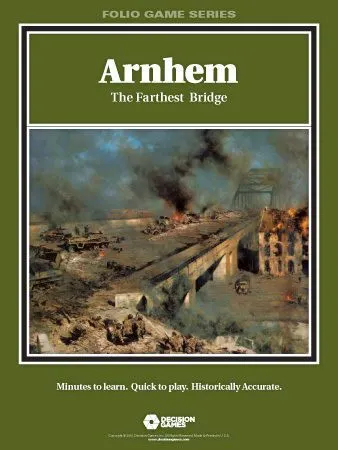
2010
Pomoc w zasadach gry Arnhem: The Farthest Bridge
Zrozumiałe wyjaśnienia tur, efektów kart i spornych sytuacji z odnośnikami do oficjalnych źródeł i zapisaną historią pytań.
Co chcesz wiedzieć?
Odpowiedzi pochodzą z oficjalnej instrukcji, ze stroną do sprawdzenia.
Arnhem: The Farthest Bridge to gra planszowa wydana w 2010 roku dla 1–2 graczy, z rozgrywką trwającą 60–120 minut i dla osób od 12 lat. Projekt gry: Jay A. Nelson i Eric R. Harvey. Główne mechaniki: Dice Rolling, Hexagon Grid i Simulation.
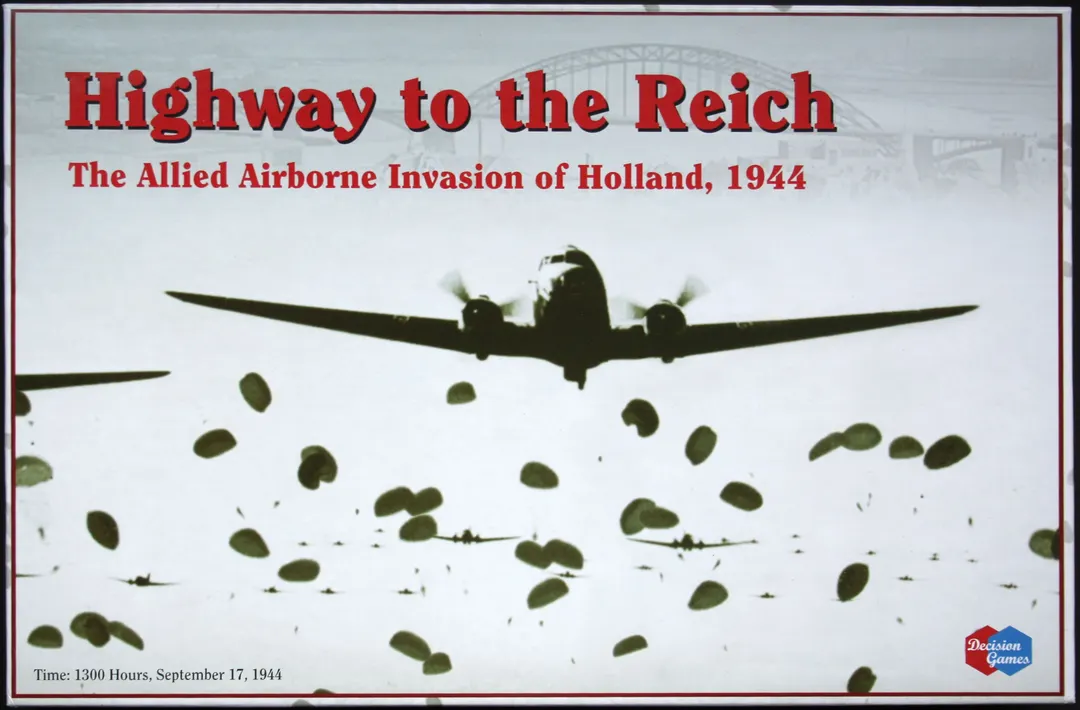




Po angielsku
From the Decision Games' website: In September 1944, Operation Market Garden was intended to open a direct path for the Allied armies to circumvent the West Wall and threaten Germany's industrial Ruhr heartland. British, American and Polish airborne forces were ordered to assault and capture key bridges along the main highway leading through Holland, the Arnhem bridge being the most distant of them all. Unfortunately, the Allies had gravely underestimated the strength of German forces in the area; so, when the airborne forces landed, they found themselves scattered amid an SS panzer division. The various bridges thus became the fulcrum of the entire operation for both sides. Arnhem utilizes the new Fire & Movement combat system that's designed so players can augment their units with "support fire" during the course of the turns. From mortars to self-propelled artillery, units can receive support assets to engage enemy positions and formations, allowing combat to develop at all levels. A single recon battalion, for example — perhaps supported by tanks — could be tasked to assault a lone enemy paratrooper battalion defending a landing zone. As that attack gets underway, however, the recon battalion may find itself strafed by enemy fighter-bombers. More support will be necessary to take the landing zone, but assets are limited. In Arnhem, the attritional design of the new Combat Results Table simulates the true nature of battles in Europe. Units are typically two-sided formations that can incur casualties, accurately replicating the realities of combat and the high losses sustained by both sides during the actual fighting for Arnhem. Winning the battle is thus a matter of maneuver, firepower and asset management. Re-implements: A Bridge Too Far: Arnhem
Według katalogu Arnhem: The Farthest Bridge obsługuje od 1 do 2 graczy. Ten zakres odpowiada liczbie graczy podanej przez wydawcę, więc grę można przygotować dla dowolnej grupy w jego granicach. Przygotowanie, niektóre zasady i punktacja mogą jednak różnić się w zależności od liczby graczy; dokładną konfigurację sprawdź w instrukcji swojego wydania.
Podany czas rozgrywki w Arnhem: The Farthest Bridge wynosi 60–120 minut. To szacunek wydawcy dla pełnej partii. Rzeczywisty czas zależy od grupy, liczby graczy i znajomości zasad: pierwsze partie zwykle trwają dłużej, a doświadczone grupy kończą szybciej. Przygotowanie gry i tłumaczenie zasad nie są wliczone w ten szacunek.
Katalog podaje dla Arnhem: The Farthest Bridge wiek od 12 lat. To zalecenie wydawcy, które uwzględnia wymagania dotyczące czytania, złożoność zasad i drobne elementy, a nie tylko tematykę. Młodsi gracze często mogą dołączyć z pomocą dorosłego; sprawdź zalecenie wiekowe swojego wydania i weź pod uwagę doświadczenie grupy z grami planszowymi.
Arnhem: The Farthest Bridge ma ocenę złożoności 2,1 na 5 według graczy BoardGameGeek, co czyni ją grą raczej lekką. Ocena pokazuje, ile znajomości zasad, planowania i podejmowania decyzji wymaga typowa rozgrywka. Cięższe gry wymagają dłuższego pierwszego tłumaczenia, dlatego przed wieczorem z grami warto skorzystać z przewodnika przygotowania.
Arnhem: The Farthest Bridge należy do tych kategorii: Wargame i World War II. Główne mechaniki to Dice Rolling, Hexagon Grid i Simulation. Kategorie opisują temat i świat gry, a mechaniki to, co gracze faktycznie robią w swojej turze. Każda mechanika prowadzi do strony katalogu z podobnymi grami, co pomaga znaleźć coś porównywalnego na kolejny wieczór.
Autorzy wymienieni przy Arnhem: The Farthest Bridge to: Jay A. Nelson i Eric R. Harvey. Te informacje pochodzą z opublikowanych danych gry i wskazują osoby odpowiedzialne za jej projekt, a nie ilustratorów czy wydawców. Strony autorów w MeepleRules zbierają inne tytuły tych samych twórców, co pomaga, gdy gra ci się podoba i szukasz podobnych.
W katalogu Arnhem: The Farthest Bridge figuruje jako gra podstawowa. Można w nią grać samodzielnie, korzystając z elementów z pudełka, bez żadnego innego tytułu. Dodatki, jeśli istnieją, dokładają nową zawartość lub zasady i są wymienione w katalogu osobno, z odnośnikiem do tej gry podstawowej.