

- Pozycja w BGG
- BGG #9111
- Ocena BGG
- 6,8
Daruma
- 2–5 graczy
- 20–40 min
- Złożoność 1,2/5
- 2023
2026
Pomoc w zasadach gry ASHES: Blackout Protocol
Zrozumiałe wyjaśnienia tur, efektów kart i spornych sytuacji z odnośnikami do oficjalnych źródeł i zapisaną historią pytań.
Dla 1 gracza
Co chcesz wiedzieć?
Odpowiedzi pochodzą z oficjalnej instrukcji, ze stroną do sprawdzenia.
ASHES: Blackout Protocol to gra planszowa wydana w 2026 roku dla 1–4 graczy, z rozgrywką trwającą 60–120 minut i dla osób od 14 lat. Projekt gry: Jorge J. Barroso, Jesús Fuentes i Eduardo Pavón. Główne mechaniki: Income, Point to Point Movement i End Game Bonuses.





Po angielsku
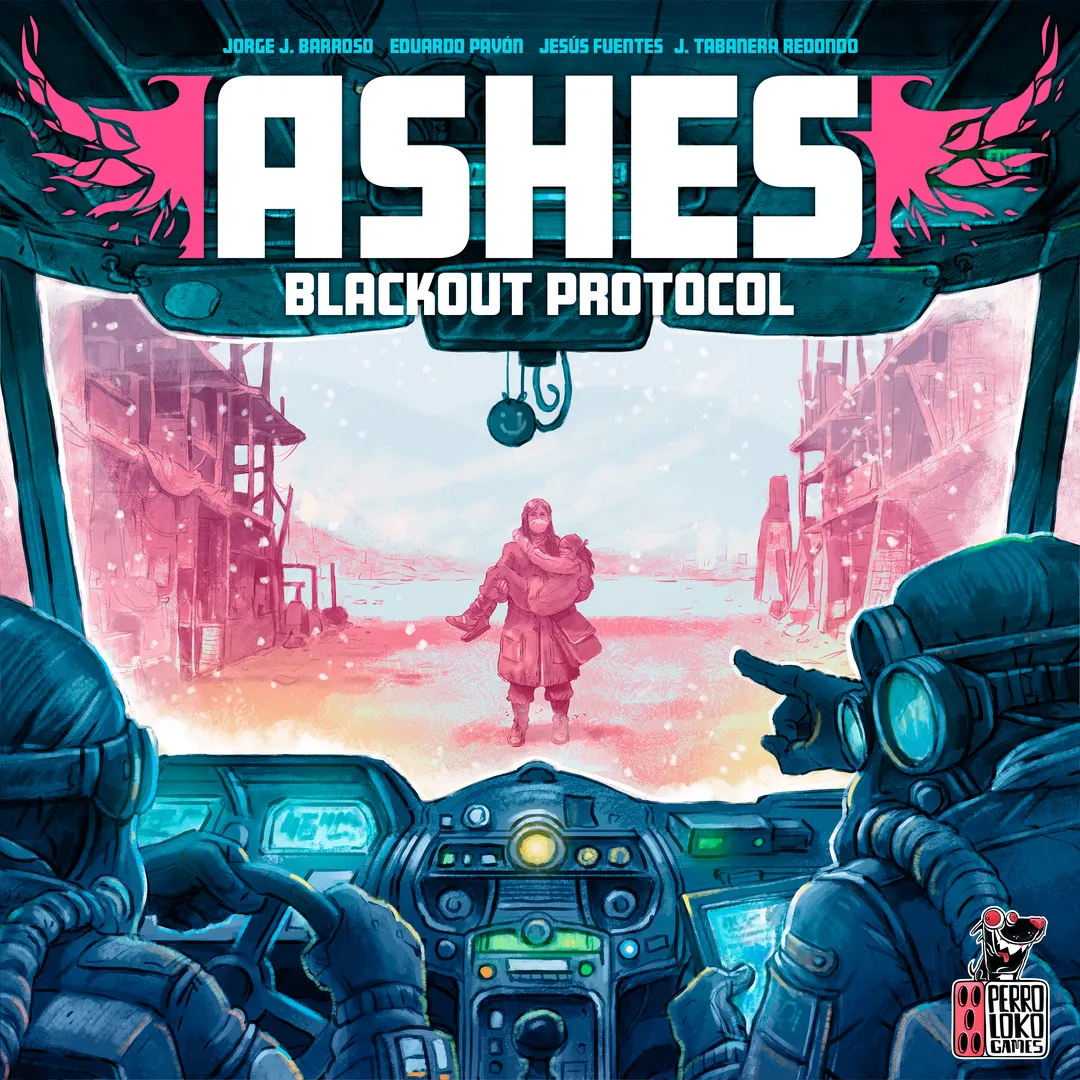
A.S.H.E.S. (Artificial Shelter & Human Evacuation Sequence) From the ashes, the Phoenix will rise. After decades of political tension, the world fell victim to the Great Nuclear War of 1989. In a matter of days, cities were reduced to rubble and the skies burned with fire. Amid the devastation, the remaining survivors united to secure humanity's future. Ancient evacuation systems were reactivated, and the first underground shelters were built. Thus, the A.S.H.E.S. Protocol — Artificial Shelter & Human Evacuation Sequence — was born: a vast network of underground colonies designed to preserve what remained of the human race. Two years later, the last survivors work tirelessly to rescue civilians, rebuild civilization, and develop a project capable of restoring life to the surface: Project Phoenix. In A.S.H.E.S.: Blackout Protocol, you will lead one of these colonies in its struggle for survival. Rescue civilians, expand your shelter network, construct new facilities, and contribute to the development of Project Phoenix—the initiative that may one day restore hope to humanity. HOW TO PLAY The game is played over three rounds. The player with the most Victory Points at the end of the game wins. On your turn, choose one of the following actions: 1. Perform one protocol at Your Base Take a survivor from your base and place them on an action space of your personal board to perform one of the game's main actions: Build Shelters, Install upgrades in the Project Phoenix, or Rescue Survivors. You will also gain a production bonus: Fuel, Data, a Mission Card, or Colony Strength. Build Shelters Use your Colony Strength to construct new shelters capable of housing additional civilians. Gain immediate rewards and receive valuable income at the end of each round. Install upgrades in the Project Phoenix Craft materials and gather data to unlock upgrades for your colony while contributing to humanity's most ambitious undertaking. Rescue Survivors Bring survivors from the wasteland into your shelters to gain immediate benefits and recurring income. Once a shelter is filled, you may flip it to its completed side, sacrificing its income in exchange for a greater Victory Point reward each round. 2. Move Your Evacuation Vehicle Spend Fuel to move your vehicle to a different location on the board. Your vehicle allows you to transport civilians to safety, perform additional actions, and collect materials needed to support Project Phoenix. ADDITIONAL ACTIONS In addition to your main action, you may: Complete a Mission Card from your hand. Craft materials for Project Phoenix. Decontaminate survivors. Seal completed shelters. Search for new survivors. END OF THE ROUND At the end of each round, radiation spreads across the wasteland. Any civilians who remain unrescued on the board will suffer its effects, reducing your Happiness. END OF THE GAME The game ends after the third round. The player with the most Victory Points wins. A.S.H.E.S. Protocol completed. Active shelters: 12 Civilians evacuated: 1,742 Project Phoenix — Phase I initiated "From the ashes, we endure."
Według katalogu ASHES: Blackout Protocol obsługuje od 1 do 4 graczy. Ten zakres odpowiada liczbie graczy podanej przez wydawcę, więc grę można przygotować dla dowolnej grupy w jego granicach. Przygotowanie, niektóre zasady i punktacja mogą jednak różnić się w zależności od liczby graczy; dokładną konfigurację sprawdź w instrukcji swojego wydania.
Podany czas rozgrywki w ASHES: Blackout Protocol wynosi 60–120 minut. To szacunek wydawcy dla pełnej partii. Rzeczywisty czas zależy od grupy, liczby graczy i znajomości zasad: pierwsze partie zwykle trwają dłużej, a doświadczone grupy kończą szybciej. Przygotowanie gry i tłumaczenie zasad nie są wliczone w ten szacunek.
Katalog podaje dla ASHES: Blackout Protocol wiek od 14 lat. To zalecenie wydawcy, które uwzględnia wymagania dotyczące czytania, złożoność zasad i drobne elementy, a nie tylko tematykę. Młodsi gracze często mogą dołączyć z pomocą dorosłego; sprawdź zalecenie wiekowe swojego wydania i weź pod uwagę doświadczenie grupy z grami planszowymi.
ASHES: Blackout Protocol ma ocenę złożoności 3,6 na 5 według graczy BoardGameGeek, co czyni ją grą średnio złożoną. Ocena pokazuje, ile znajomości zasad, planowania i podejmowania decyzji wymaga typowa rozgrywka. Cięższe gry wymagają dłuższego pierwszego tłumaczenia, dlatego przed wieczorem z grami warto skorzystać z przewodnika przygotowania.
ASHES: Blackout Protocol należy do tych kategorii: Territory Building, Science Fiction i Civilization. Główne mechaniki to Income, Point to Point Movement i End Game Bonuses. Kategorie opisują temat i świat gry, a mechaniki to, co gracze faktycznie robią w swojej turze. Każda mechanika prowadzi do strony katalogu z podobnymi grami, co pomaga znaleźć coś porównywalnego na kolejny wieczór.
Autorzy wymienieni przy ASHES: Blackout Protocol to: Jorge J. Barroso, Jesús Fuentes i Eduardo Pavón. Te informacje pochodzą z opublikowanych danych gry i wskazują osoby odpowiedzialne za jej projekt, a nie ilustratorów czy wydawców. Strony autorów w MeepleRules zbierają inne tytuły tych samych twórców, co pomaga, gdy gra ci się podoba i szukasz podobnych.
W katalogu ASHES: Blackout Protocol figuruje jako gra podstawowa. Można w nią grać samodzielnie, korzystając z elementów z pudełka, bez żadnego innego tytułu. Dodatki, jeśli istnieją, dokładają nową zawartość lub zasady i są wymienione w katalogu osobno, z odnośnikiem do tej gry podstawowej.